Your state can become part of the memory’s context
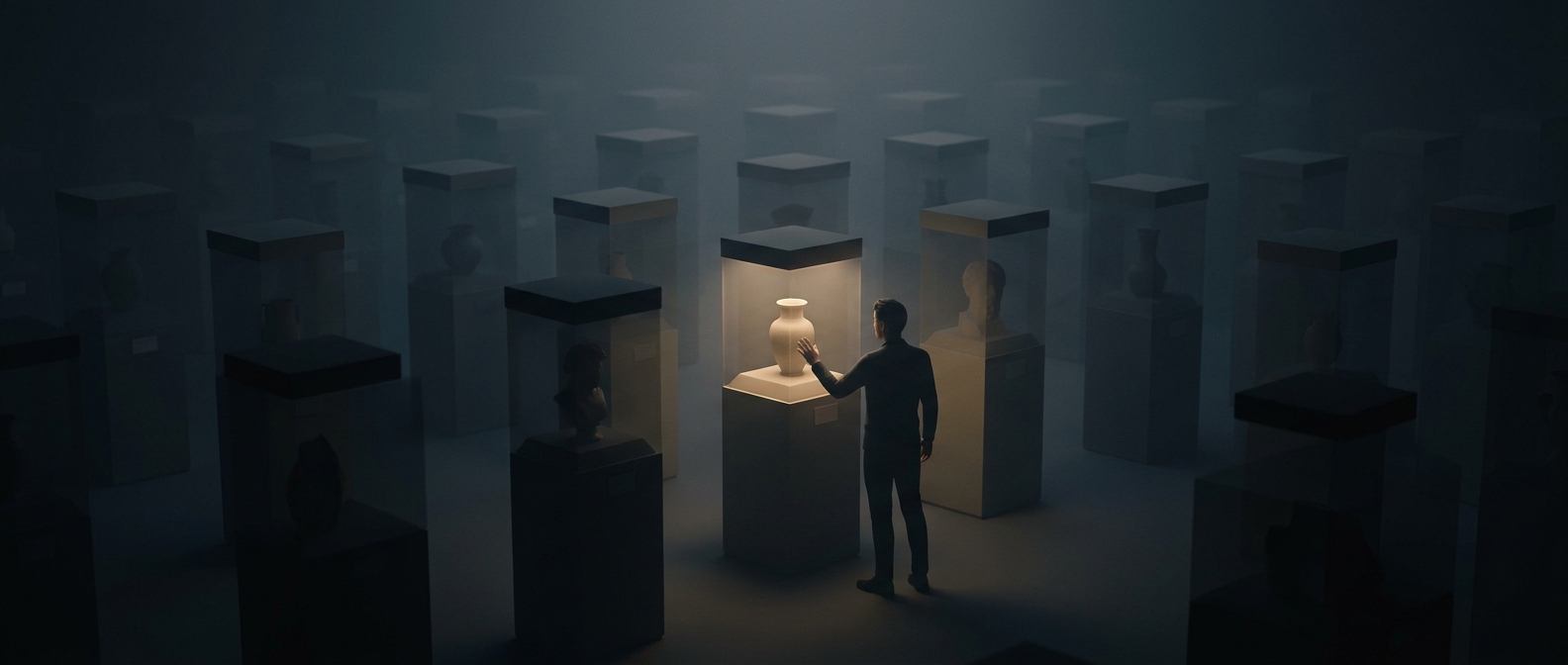
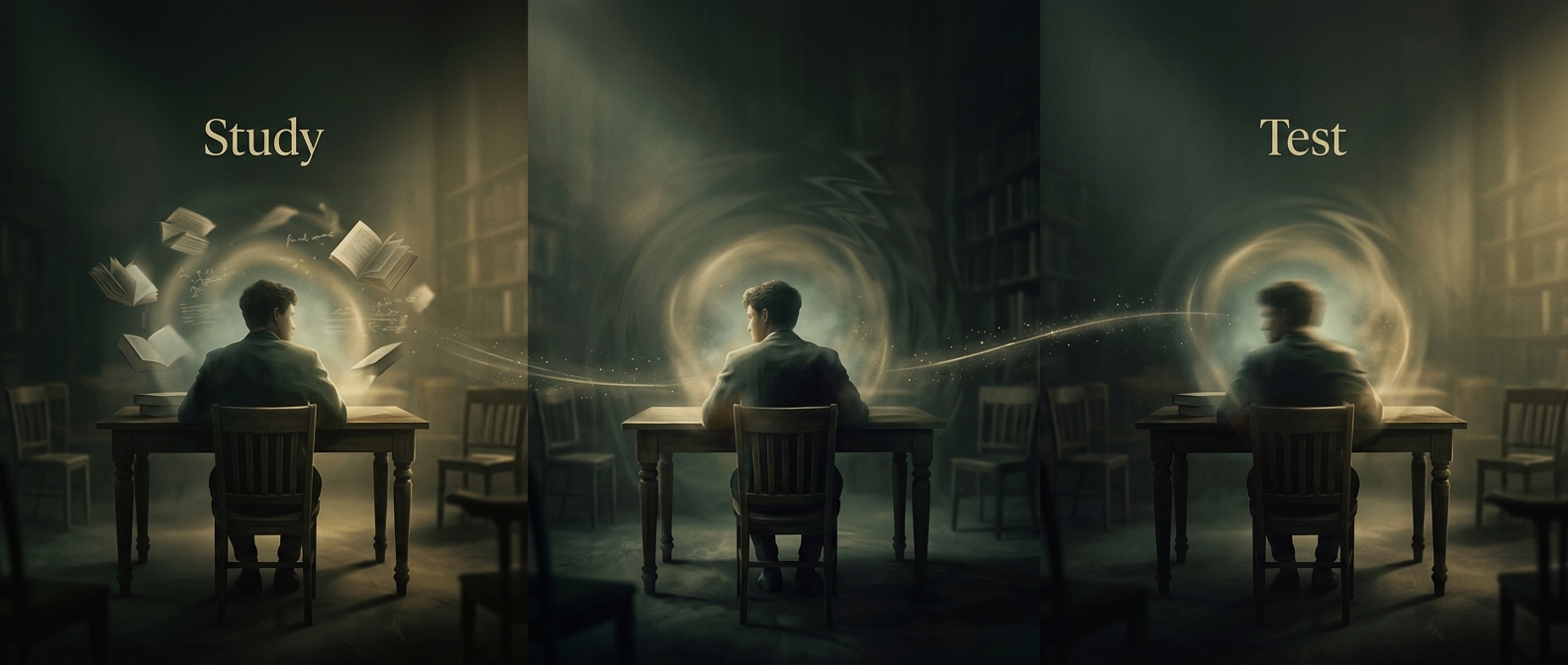
A memory is not stored as a bare fact with a single route back to it. When you learn something, your brain also registers parts of the situation: where you are, what you are doing, and aspects of your internal state. Later, cues that overlap with those conditions can help make the memory easier to find. Psychologists call this state-dependent memory when the matching cue is an internal state rather than an external setting.
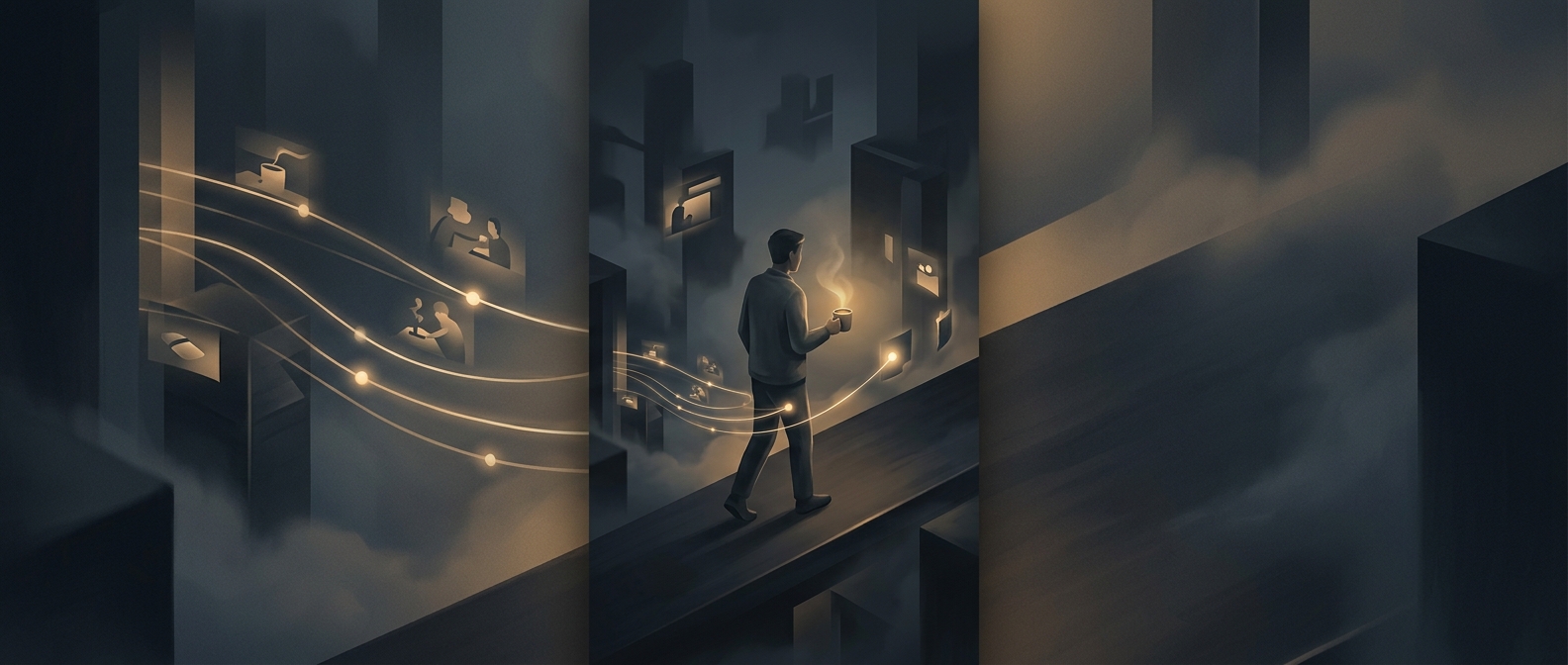
Caffeine can contribute to that internal context. Its effects may include feeling more alert or physically stimulated. If those sensations were present during learning, encountering a similar state later may act as a retrieval cue—a hint that helps guide you toward the relevant memory. The cue does not contain the information; it can make a particular memory more accessible among many competing ones.
A cue, not a memory shortcut
This effect is not the same as caffeine improving memory in every situation. Remembering still depends on what was learned, how well it was attended to, and the cues available at recall. A familiar room, a repeated task, or a distinctive phrase may also help, and a mismatch in caffeine state does not erase what you learned.
The practical implication is modest but useful: recall can be influenced by more than the material itself. The internal conditions surrounding learning may become part of the set of clues your brain uses to retrieve it later.