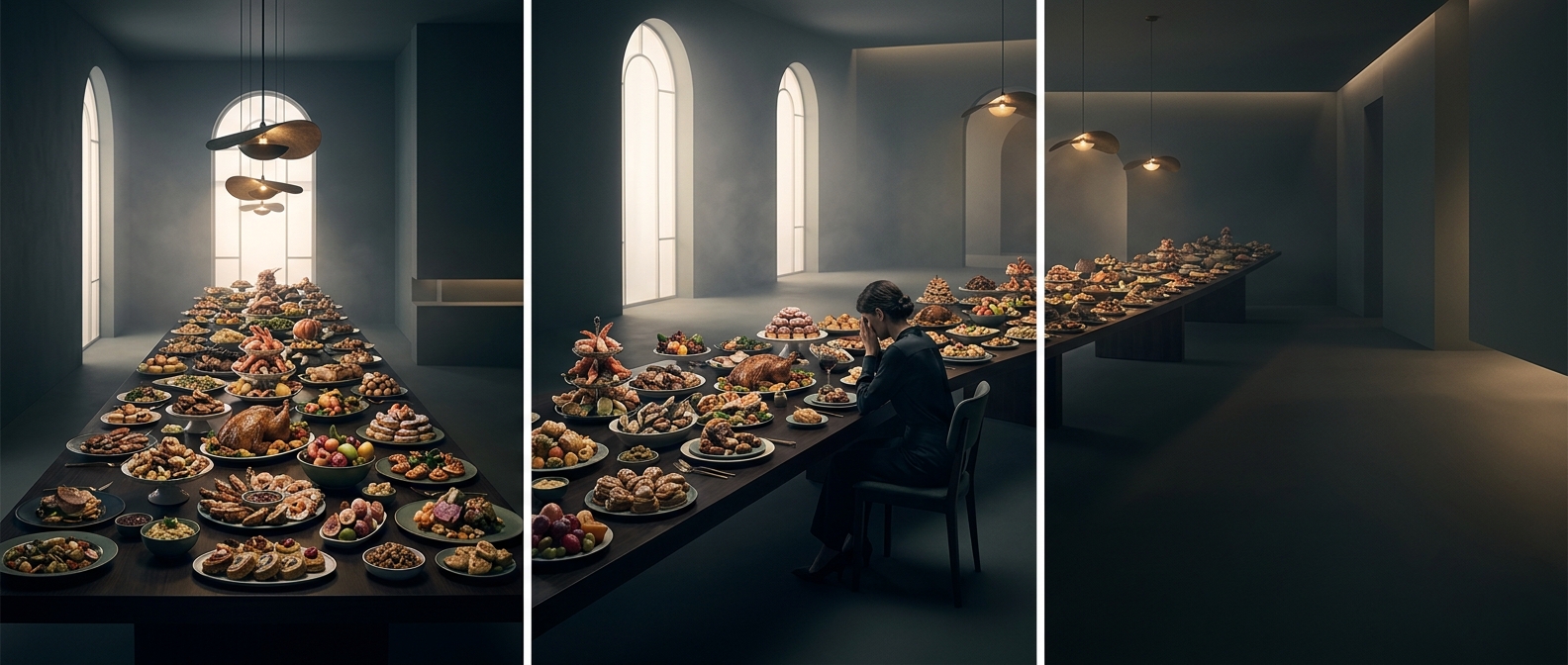
How a Decoy Changes the Comparison
Imagine choosing between two headphones: one is inexpensive but has few features; the other costs more and offers better sound. Add a third pair that costs nearly as much as the premium model but has noticeably worse sound. That third option may make the premium pair seem like the clear bargain—even though nothing about the premium pair has changed.
This is the decoy effect: an option is added mainly to make another option look better by comparison. The decoy is usually inferior to the choice it is meant to favor on the features that matter, while being similar enough in price or design to invite a direct comparison.
Why the Middle Choice Gains Appeal
People often judge options comparatively rather than evaluating each one in isolation. A decoy supplies an easy reference point: the favored choice offers more for a similar cost, or similar benefits for less. That makes the favored option feel like a sensible compromise, even if a different comparison might have made another choice look best.
The effect is strongest when the decoy clearly loses to one option but does not simply look irrelevant. It need not attract anyone itself; its job is to shape the comparison. The original choices—and their actual qualities—remain exactly the same, but the set now nudges attention toward one of them.
The Choice Set Is Part of the Decision
This is why adding an option can change what people prefer, rather than merely giving them more freedom. In a store, menu, or subscription lineup, a seemingly poor offer may serve as a reference point for a nearby one. A useful check is to compare the leading options directly and ask whether the decoy has changed their real features—or only how those features look side by side.