Why a polished selfie can become part of self-presentation
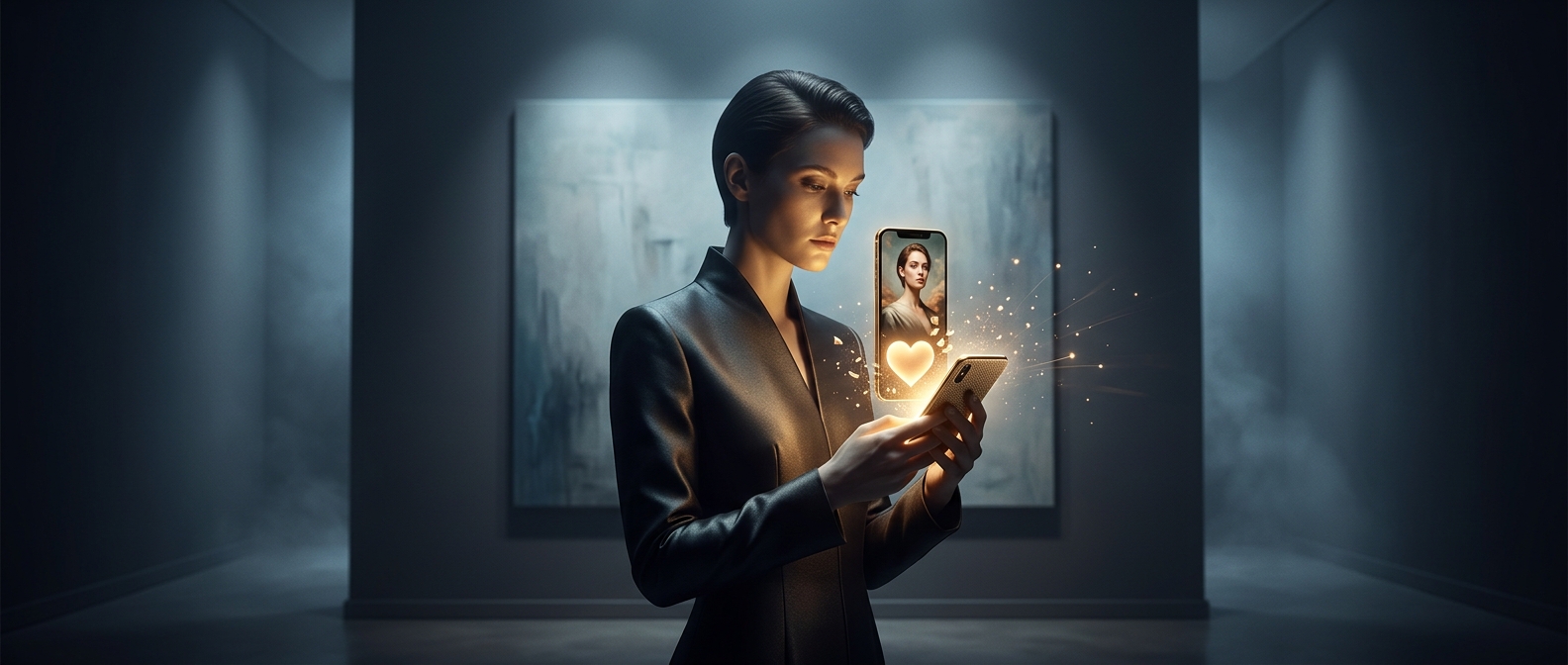
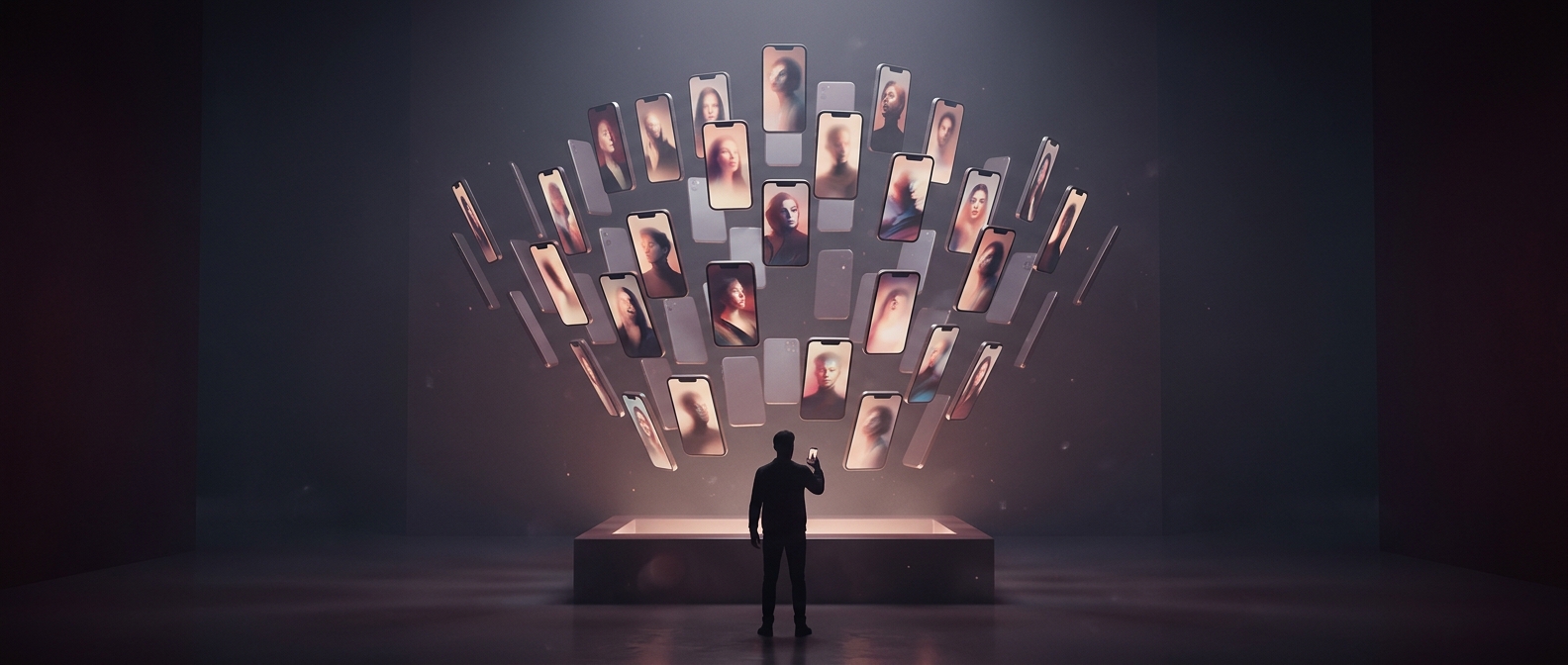
A selfie is more than a record of how someone looked at one moment: it is an image chosen for an audience. Filtering adds another decision point, letting the poster adjust features before others see the picture. For someone especially invested in appearing attractive or impressive, that extra control may make posting feel more worthwhile.
Psychologists use narcissistic traits to describe tendencies such as seeking admiration or placing unusual importance on one’s image. These traits vary by degree; they are not, by themselves, a diagnosis. Research linking them with more frequent filtered-selfie posting points to a relationship between image management and the desire for attention—not proof that every frequent poster has those traits.
What the association can—and can’t—tell us
The pattern is about an average tendency across people, not a reliable way to read an individual. Someone may filter selfies for fun, to match a visual style, or simply because editing tools are easy to use. Likewise, a person with narcissistic traits may express them in ways that have nothing to do with selfies.
The more useful insight is that social media makes self-presentation unusually visible and adjustable. A person can select a flattering image, refine it, and then see how an audience responds. That sequence may appeal particularly to people who value admiration, while the app’s tools make the choice simple for anyone. A filtered selfie therefore reveals a deliberate presentation—but not, on its own, the motive behind it.