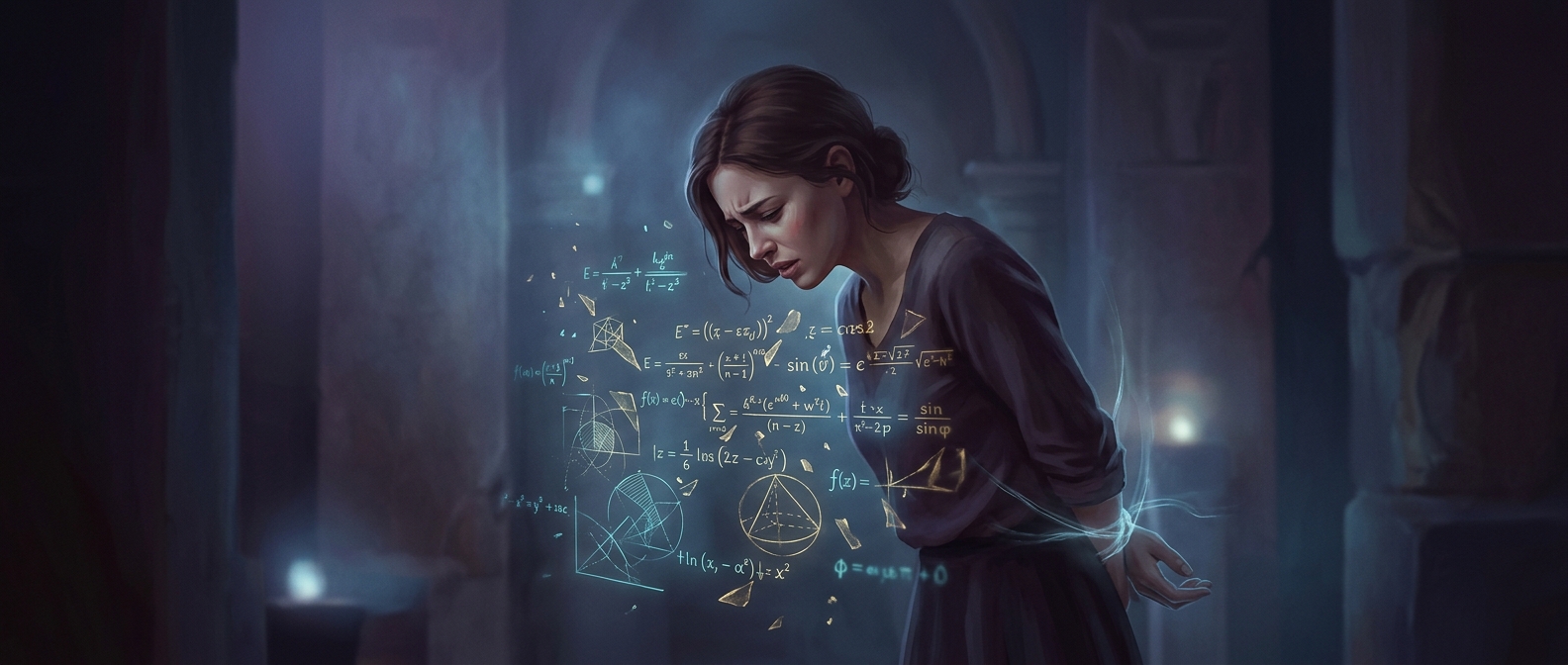
Why switching tasks feels harder than it looks
A task leaves a temporary mental setup behind: what you are trying to accomplish, which details matter, and what step comes next. Psychologists often call this task set. When you move from a spreadsheet to a message, your brain has to make the message’s goal relevant and suppress the spreadsheet’s competing rules. Returning means rebuilding the earlier setup from memory.
That rebuilding is not always complete. You may remember the general project but lose the exact cell you were checking, the assumption behind a number, or the sentence you meant to finish. The interruption therefore costs more than the seconds spent reading a message: it can also create extra searching and checking afterward.
The restart fee has two parts
One cost is the time needed to reorient. Another is the increased chance of an error while attention is settling back in. The burden tends to grow when the tasks are complex or when switching requires a different set of rules—for example, moving from careful calculation to a quick, conversational reply.
Some switches are nearly automatic, such as glancing at a familiar notification. But even a brief interruption can divide attention: part of the mind may keep turning over the unfinished task while the new one is underway. That makes it harder to give either activity a clean run, especially when both demand active thought.
Why grouping work helps
Putting similar tasks together reduces how often the brain must replace one mental setup with another. A person might finish several related calculations before checking messages, rather than alternating after every few minutes. The point is not that every switch is harmful or avoidable; urgent information can matter more than uninterrupted work. It is that frequent switching quietly adds recovery work to the schedule.
A workday can therefore look busy while producing less progress than expected. The visible actions—opening a file, replying, returning—are quick. The less visible part is reconstructing the thread each time.