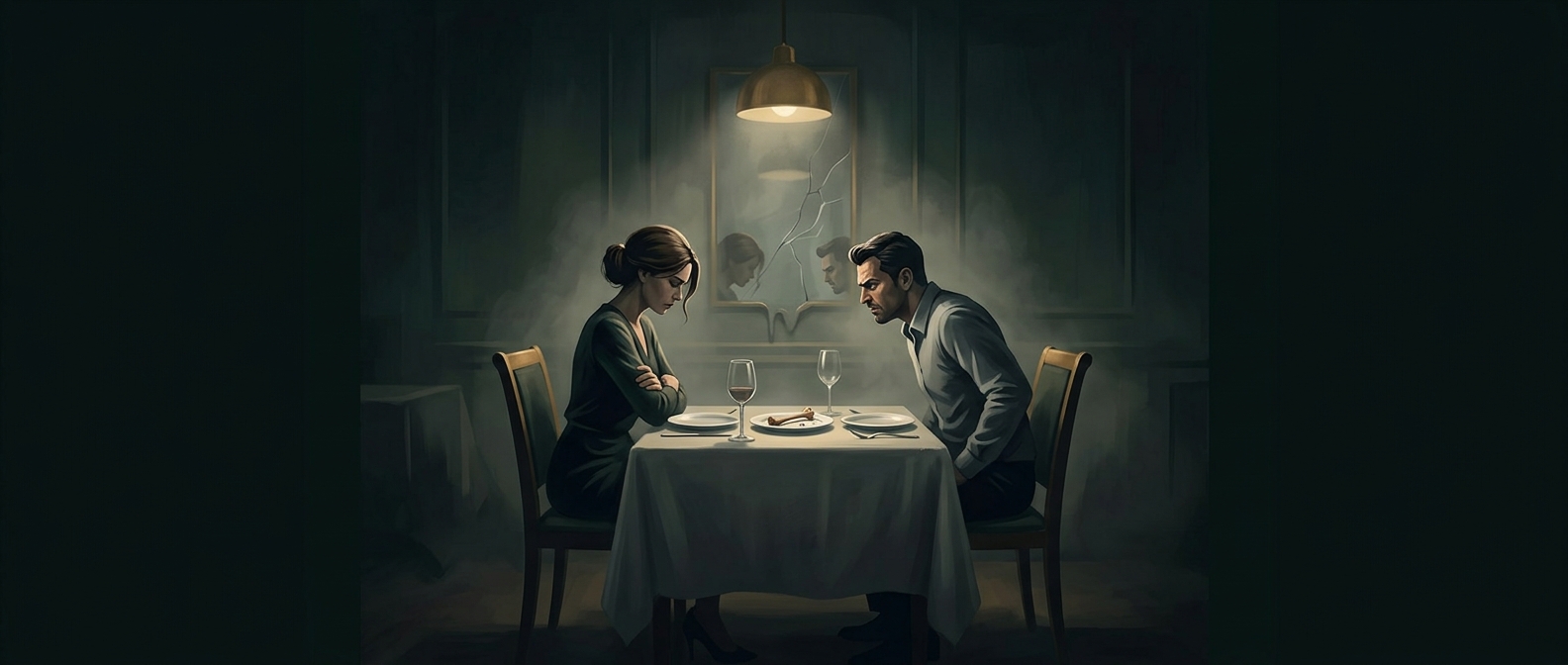
How a crowd teaches you what to do
When a situation is unclear, people often treat others’ behavior as information. If nobody objects to a cutting remark, for example, a bystander may infer that the group considers it acceptable—even if they would normally speak up. Psychologists call this social-norm influence: people adjust their behavior to match what they believe others expect or approve of.
The key is that the crowd’s apparent rule can be more immediate than a person’s usual principles. In a group, approval may be signaled by laughter, silence, or simply by everyone continuing as if nothing happened. Those cues can make joining in feel socially safe and resisting feel conspicuous.
Why silence can look like agreement
A quiet crowd is especially easy to misread. Several people may privately feel uneasy, yet each sees that nobody else is reacting and assumes the others are fine with what is happening. That mistaken impression can reinforce itself: everyone waits for someone else to object, and the absence of an objection becomes a cue that the behavior is permitted.
This does not mean people lose their values in groups. Rather, they may be trying to satisfy competing aims at once—to act according to their standards, but also to avoid conflict or rejection. The group’s signals can influence which aim feels most urgent in that moment.
One person can change the cue
Because people take their bearings from one another, a visible objection can alter the situation. A calm “That’s not okay,” or a simple refusal to join in, shows that the behavior is not universally accepted. It gives others permission to act on discomfort they may already share.
The practical consequence is small but powerful: what looks like a crowd’s consensus may be only a crowd waiting for a first response.