How a dim room can weaken restraint
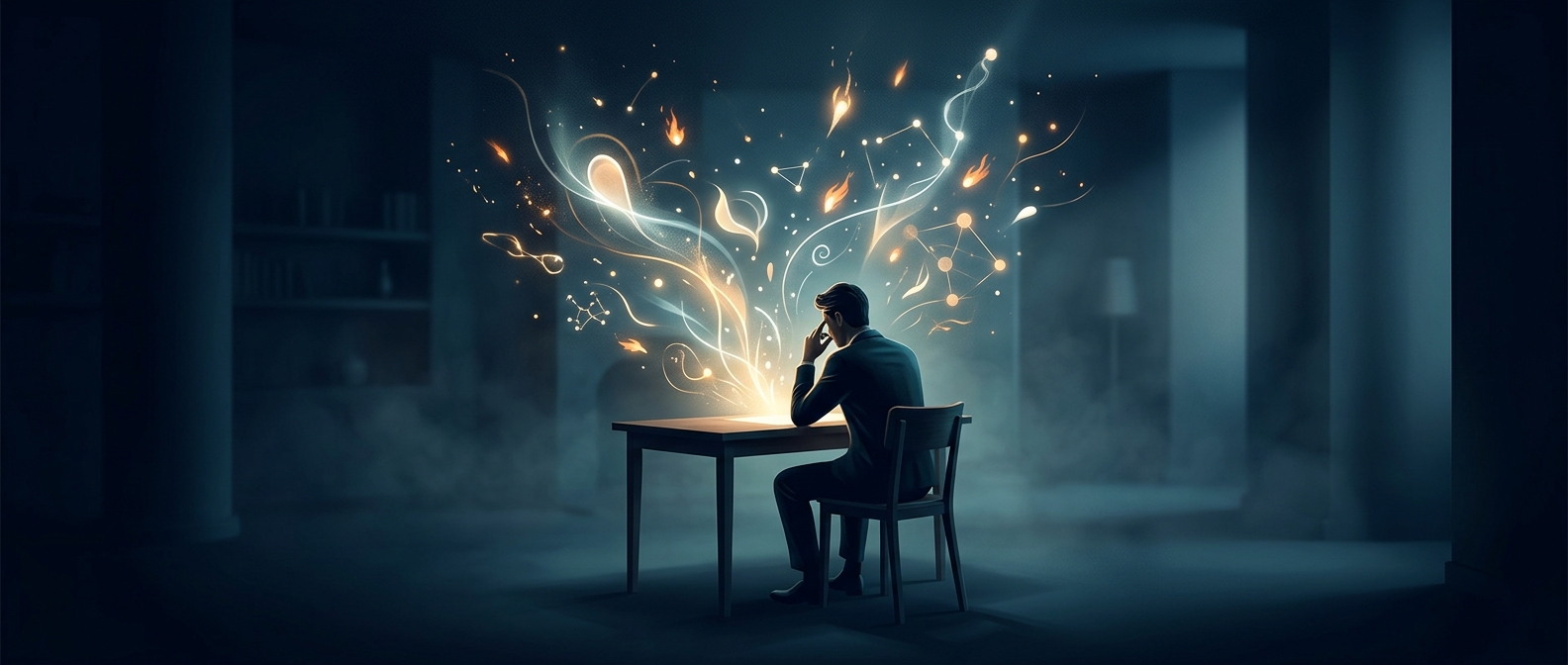
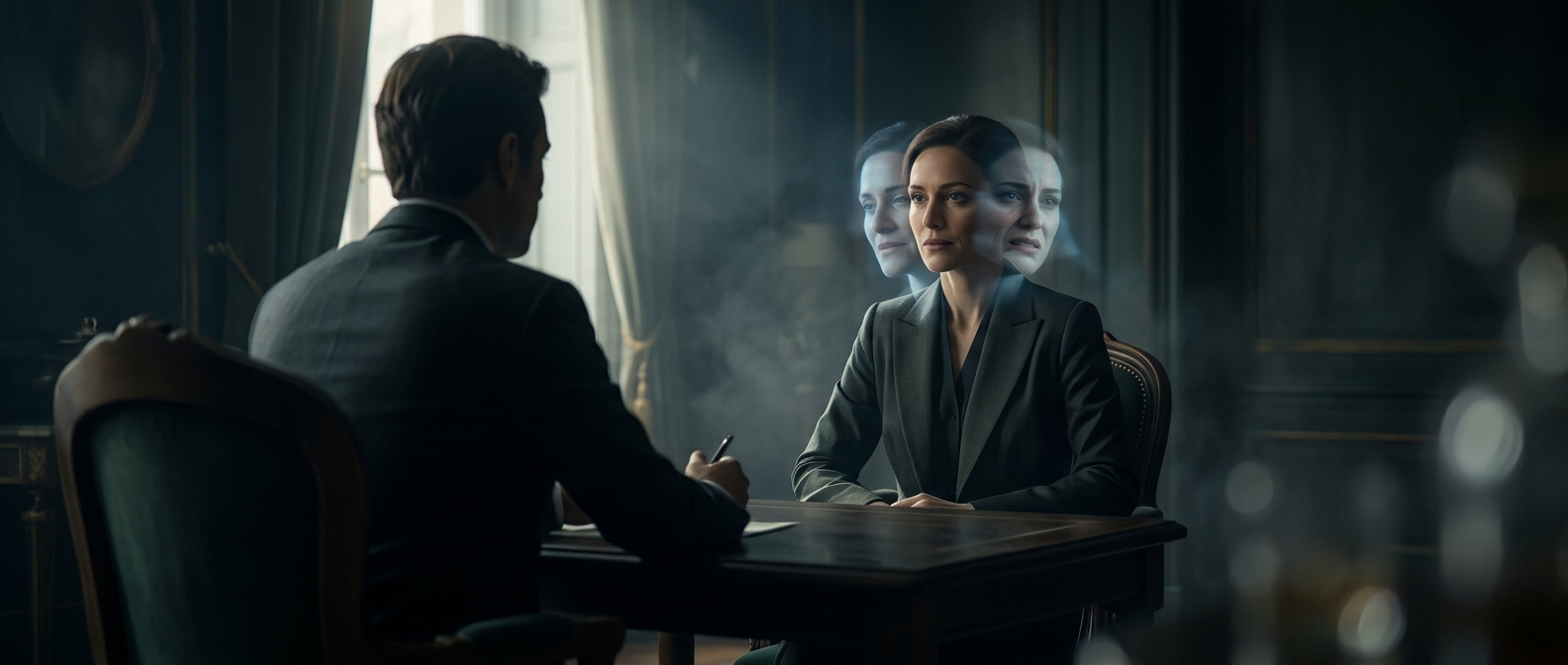
People often regulate their behavior partly by imagining how it would look to someone else. That imagined audience can be present even when nobody is watching: a person may picture being noticed, judged, or held responsible. Bright surroundings can sharpen that sense of exposure. In dim light, the same person may feel less identifiable, and the mental picture of an observer can fade.
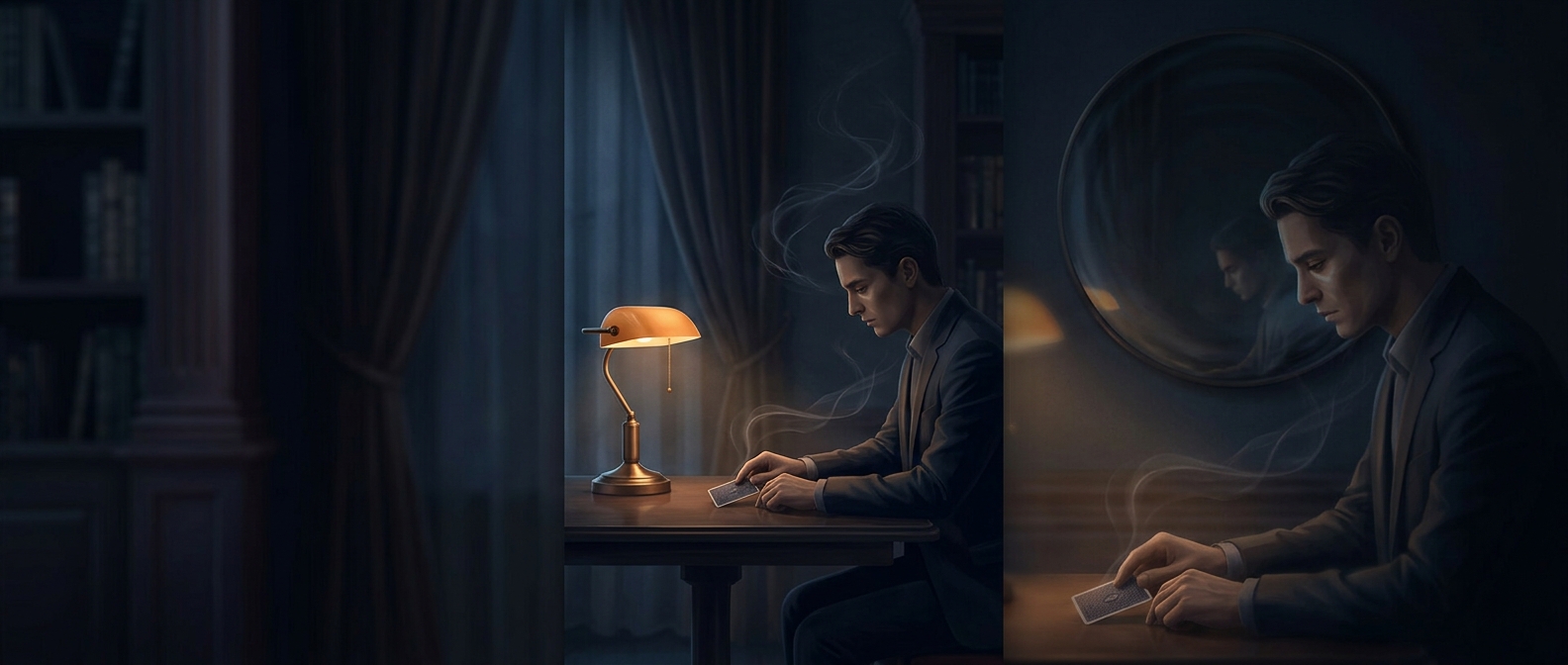
That shift can matter at a small decision point. Someone completing a task alone might be tempted to bend a rule; if they feel anonymous, the prospect of being caught may seem less immediate. The temptation has not become more ethical. Rather, one of the cues that normally helps make misconduct feel risky has become weaker.
Visibility is a cue, not a permission slip
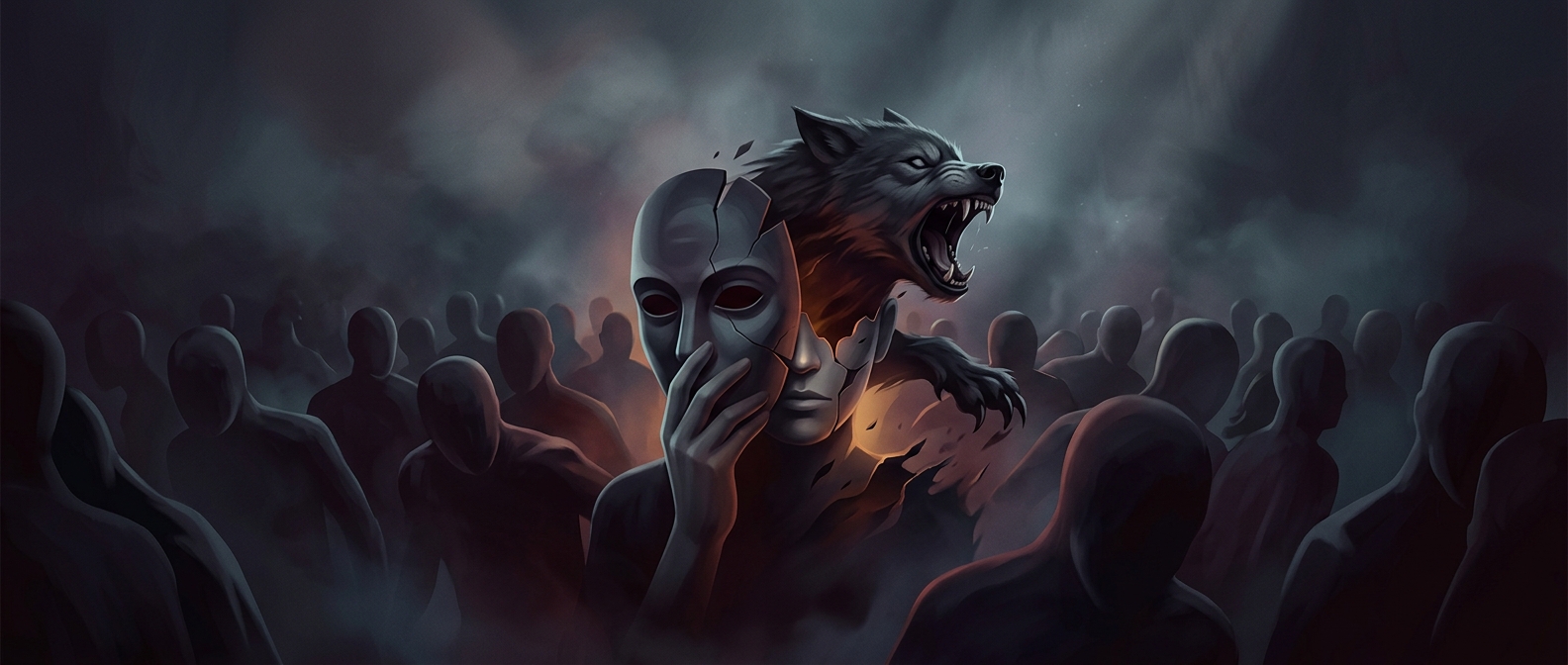
The room does not erase a person’s standards or force a particular choice. It changes the social feel of the moment. A dim setting can suggest privacy even when actions are still recorded, remembered, or visible to others. That gap between feeling unobserved and actually being unaccountable is where the effect can take hold.
The same logic helps explain why small design details—clear sightlines, visible supervision, or a reminder that choices can be traced—may influence behavior without changing the rules. They make accountability easier to picture. Conversely, dimness can make a questionable act feel briefly less connected to the person’s public self. The practical consequence is simple: when a decision depends on self-restraint, perceived visibility can shape how forcefully the inner warning registers.