How a room changes the feeling of being judged
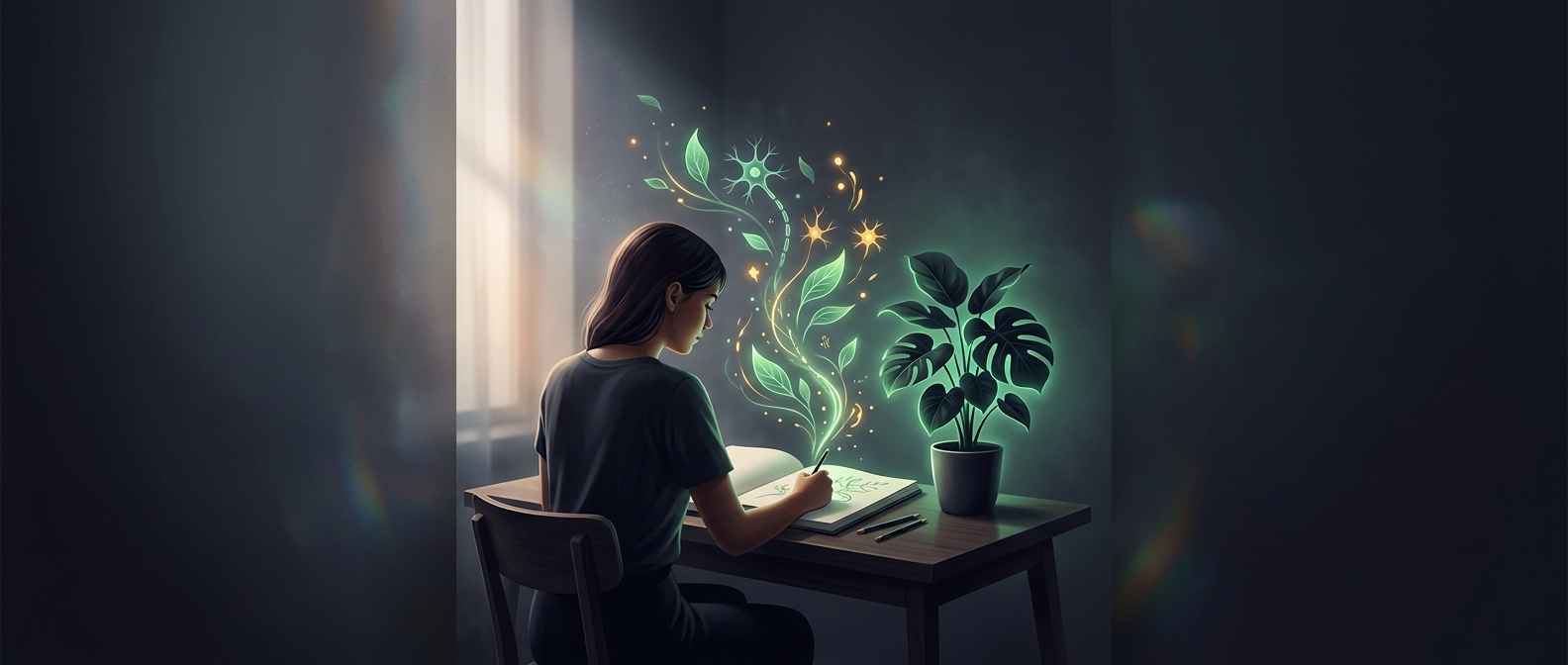
Creative work often involves two kinds of thinking: generating possibilities and evaluating them. A person might first list unusual approaches, then check which ones are useful. Trouble starts when the evaluator steps in too early, rejecting each thought before it has a chance to develop.
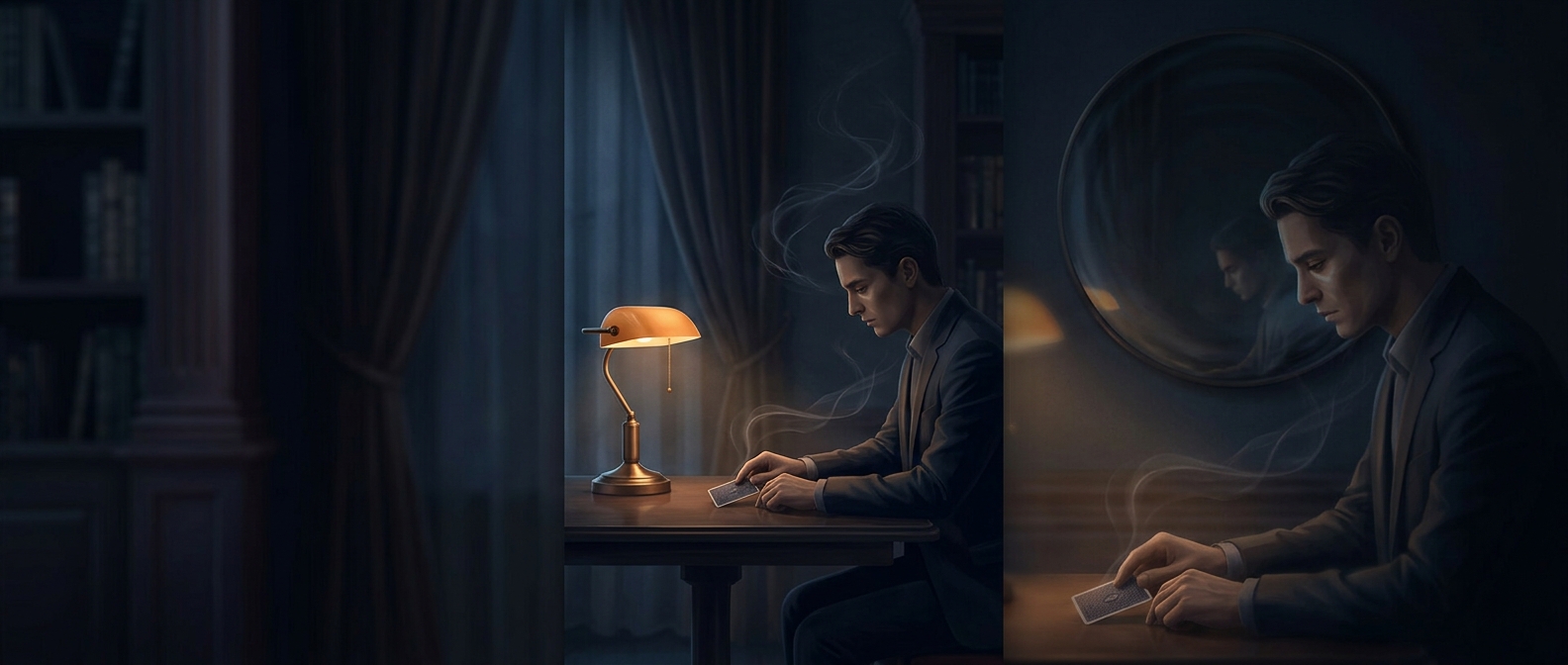
A dim setting can soften the sense that one is on display. With fewer visual cues of a formal, watchful environment, some people may feel less pressure to appear correct. That can make it easier to follow an association that seems odd at first—an important step in coming up with ideas that are not simply the most familiar ones.
Light is a cue, not a creativity switch
The room’s effect is psychological, not magical: dimness does not supply ideas or guarantee a better result. It may instead change how freely someone explores them. The benefit is most plausible during open-ended brainstorming, where range matters; tasks that demand careful reading, precise work, or error-checking need clear light and close attention.
There is a tradeoff, too. If a room is so dark that people feel sleepy, strain to see, or lose focus, those effects can outweigh any sense of ease. The useful setting is one that feels relaxed without making the work harder to do. A small change in atmosphere may help people postpone judgment long enough for a less obvious idea to reach the page.