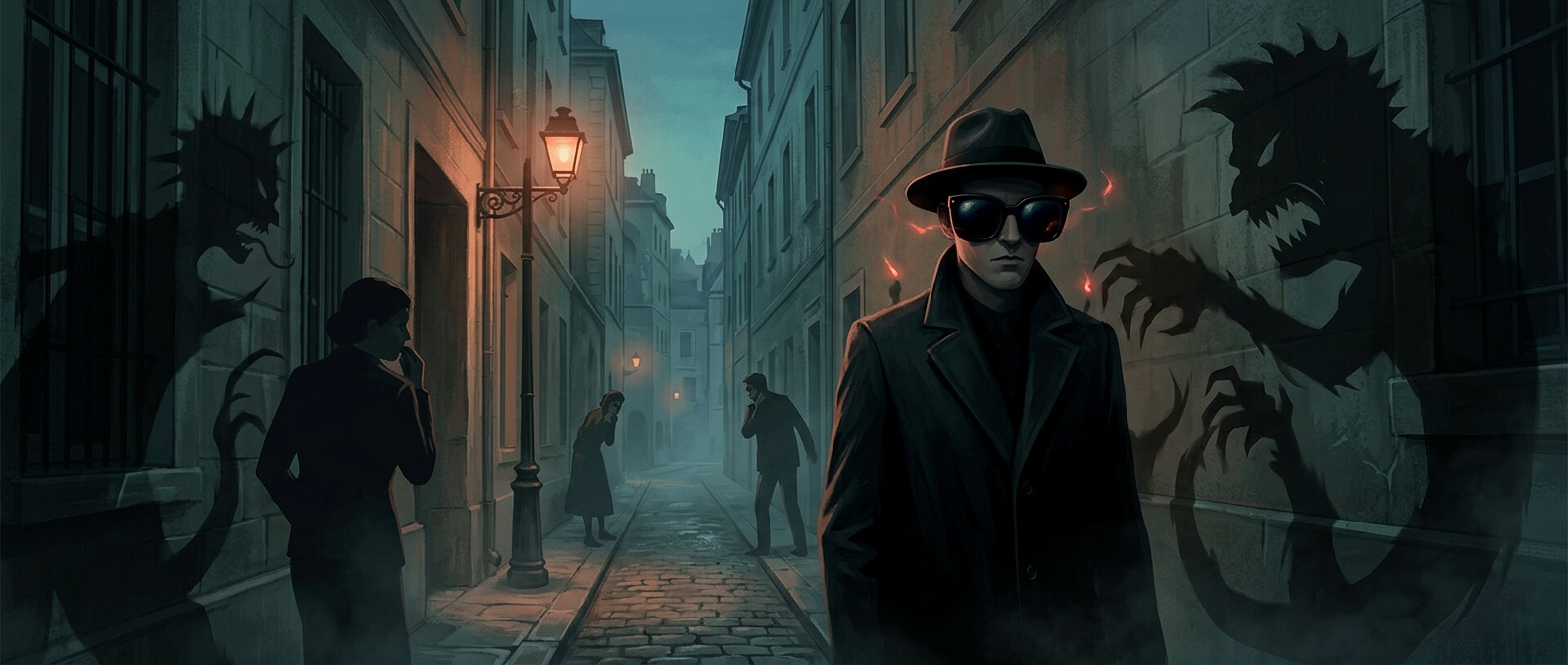
How a hidden gaze changes a social choice
Eyes are unusually direct signals: they can show where someone’s attention is aimed and whether they are responding to you. When you can meet another person’s gaze, their presence is not just an idea in the background. Their expression and attention keep entering the interaction, making it harder to treat a decision as if nobody else were involved.
From being observed to feeling alone
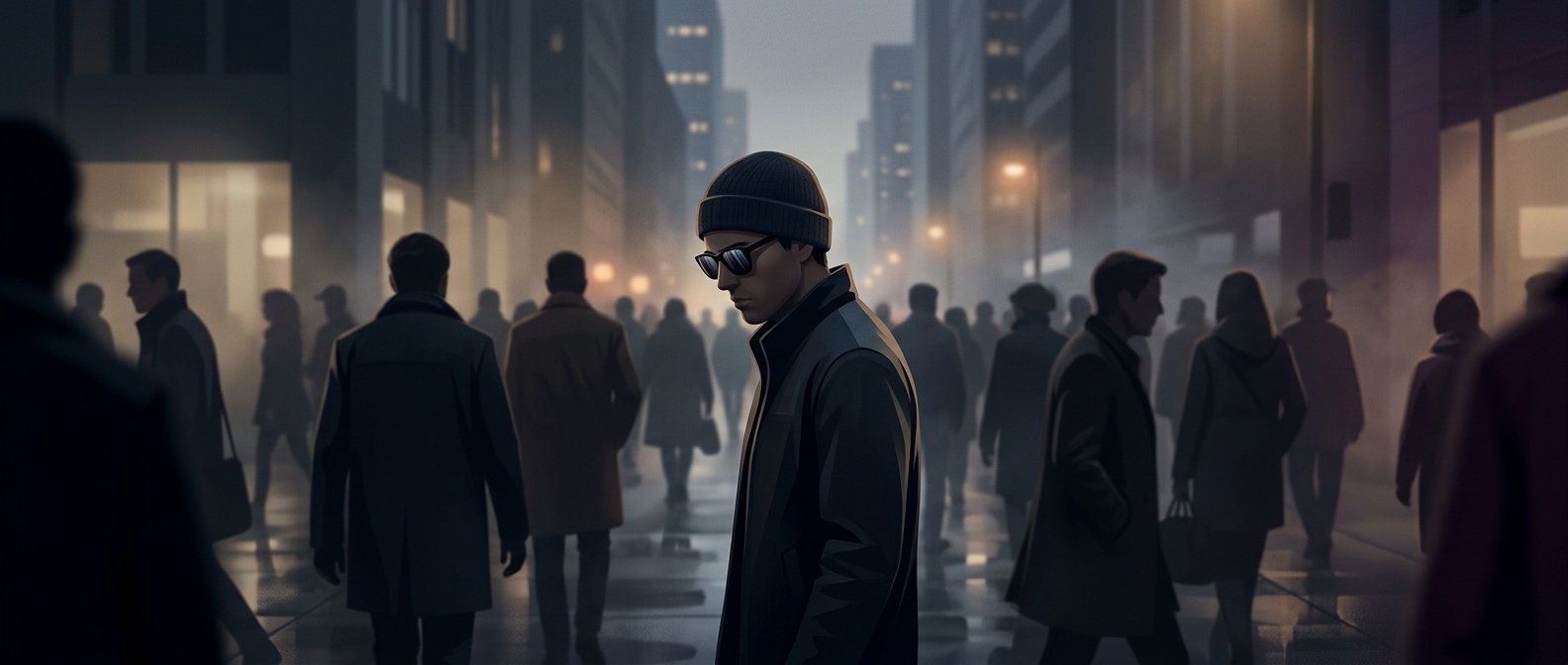
Concealing your eyes interrupts that feedback. The other person may still be nearby, but you get fewer immediate cues that they are watching, reacting, or waiting for you to respond. That can make the moment feel more private and reduce the sense of accountability that comes with a visible, face-to-face exchange.
The shift is subtle: a barrier does not erase concern for someone else or compel selfishness. It can, however, make the other person less mentally present while you weigh what benefits you. With fewer social signals demanding attention, it becomes easier to focus on your own convenience and easier to overlook the cost another person will bear.
That is why a small act of concealment can matter in an ordinary interaction. The choice may be unchanged, but the other person’s reaction is less immediate—and what feels less immediate can be easier to discount.