Why the Pen Vanishes When the Candle Comes Out
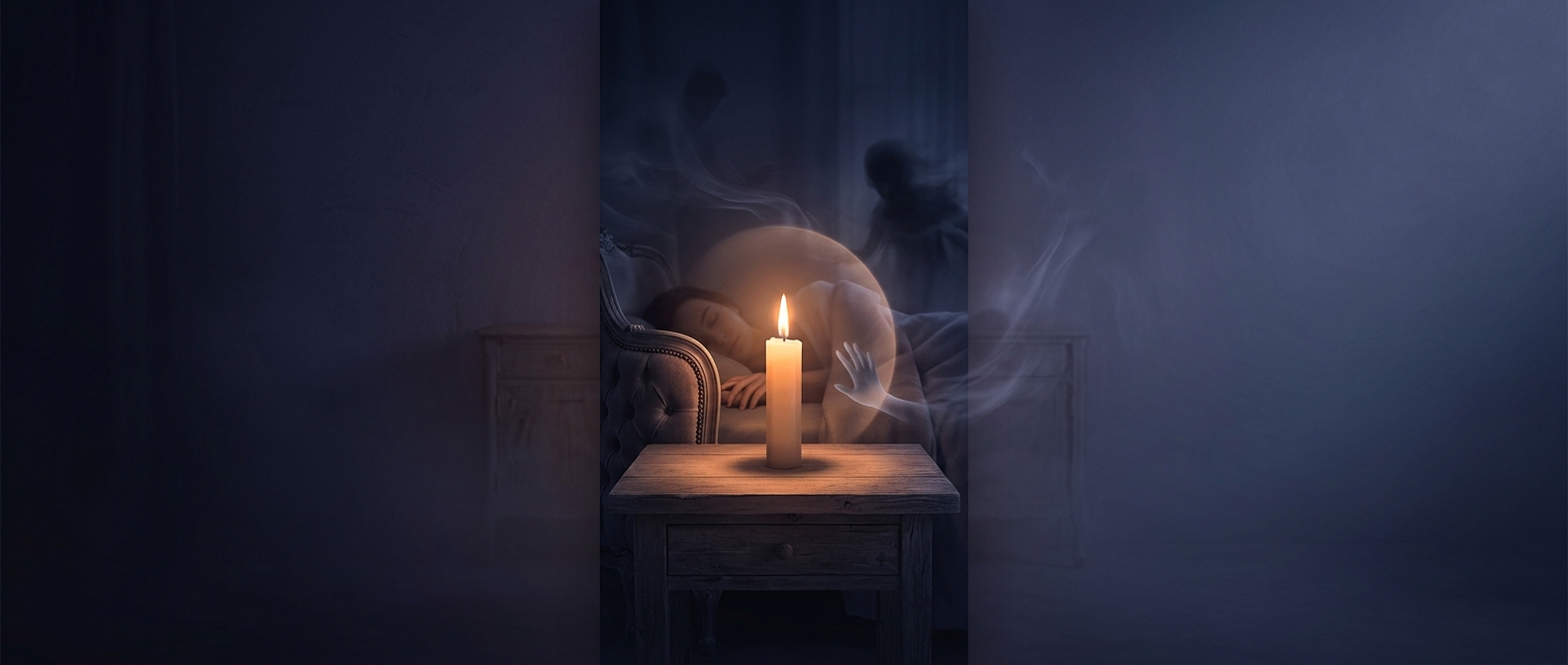
A ritual often begins with a practical little sequence: find a candle, clear a surface, strike a match, adjust the setup. The pen that was just in hand gets set down mid-task—perhaps beside a notebook, under a sleeve, or among the other objects gathered for the working. Once attention shifts to the flame and the next step, that ordinary placement may never get recorded clearly enough to retrieve.
This is a small example of prospective memory: remembering to do something later, such as return for the pen. The intention is easy to lose when a new task takes over, especially if setting the pen down felt like a temporary pause rather than a decision worth noticing.
The Ritual Has a Built-In Distraction
Lighting a candle can make a routine feel deliberate, but it also gives attention a new focal point. The flame needs care; the room may be dim; several tools may share a small work surface. The pen has not necessarily gone far. It has simply become one more object in a scene whose meaning and visual focus have changed.
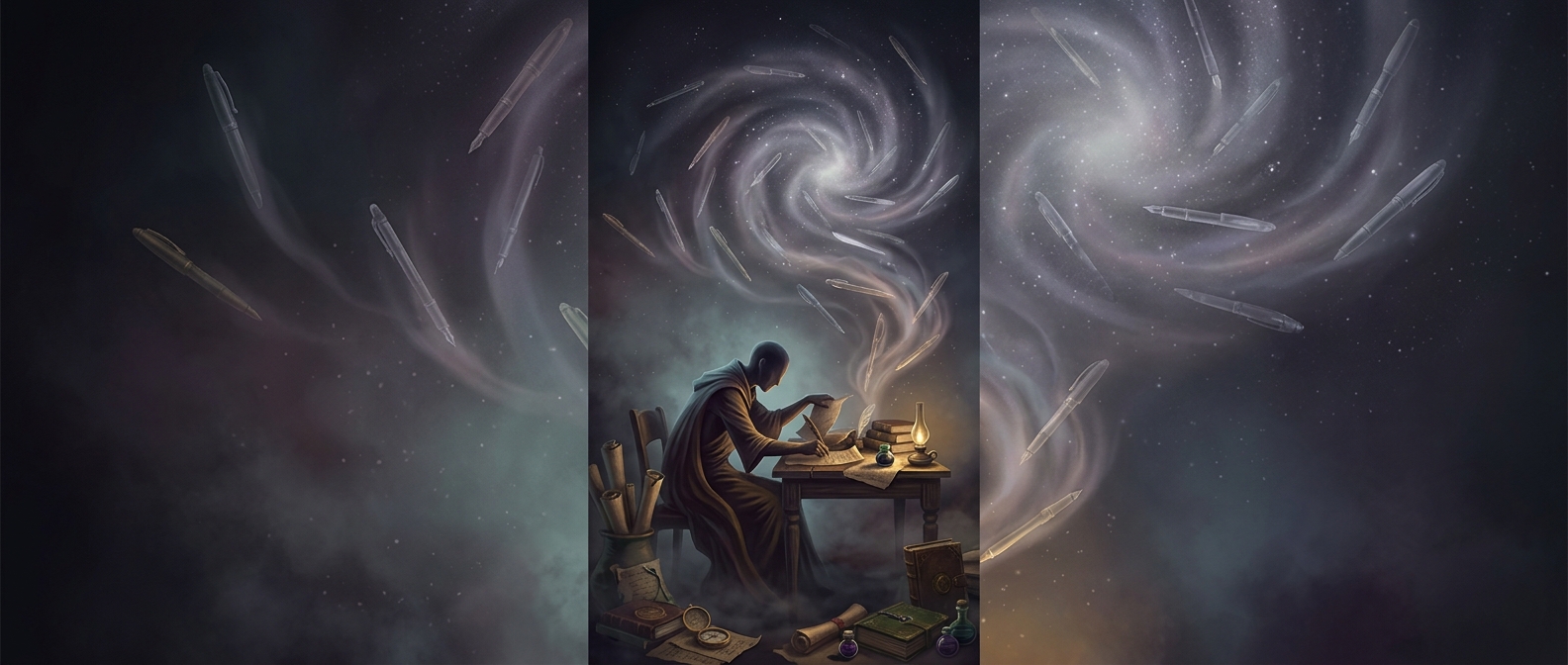
That is why the search can feel oddly disproportionate: the pen was essential a moment ago, then disappeared from awareness as soon as the ceremony began. A designated place for writing tools—kept apart from the candle and other supplies—turns the moment of setting the pen down into a cue to find it again.