Why the Quincunx Feels Like a Mismatch
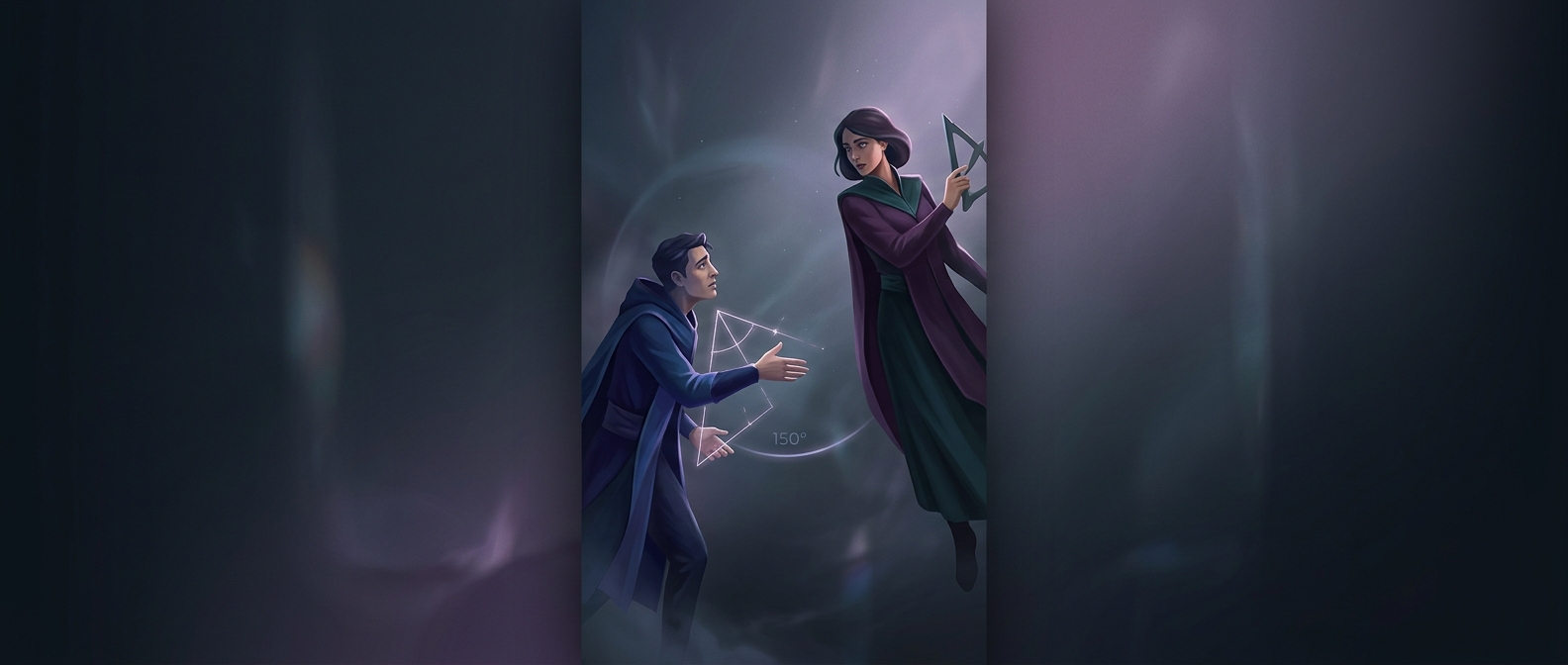
In astrology, an aspect is an angle between two points on a birth chart. The quincunx—also called the inconjunct—links points about 150 degrees apart, five zodiac signs away from each other. That placement falls between the familiar major aspects: it is not an opposition across the wheel, nor a harmonious trine or a direct square.
The interpretation comes partly from the signs involved. Signs are grouped by element—fire, earth, air, or water—and by modality: cardinal, fixed, or mutable. A quincunx connects signs that share neither category. In astrological symbolism, they therefore lack an obvious common approach: one may be described as initiating while the other adapts, or as focused on concerns the other does not naturally prioritize.
Adjustment, Not an Easy Blend
That difference is why astrologers often read the aspect as a need to make ongoing adjustments rather than as a simple clash. The points are not necessarily portrayed as enemies; instead, their priorities may fail to line up without deliberate translation. A person might recognize the pattern as trying to coordinate two parts of life that each make sense on their own but do not fit together automatically.
This is a symbolic reading within astrology, not a demonstrated mechanism by which planetary positions cause personality or events. Its usefulness for believers is often as a prompt for reflection: where does one habit or goal require accommodation from another? The quincunx’s distinctive image is not a dramatic collision, but the small, repeated renegotiations needed when neither side speaks the other’s language.