A dream supplied the scene, not the finished story
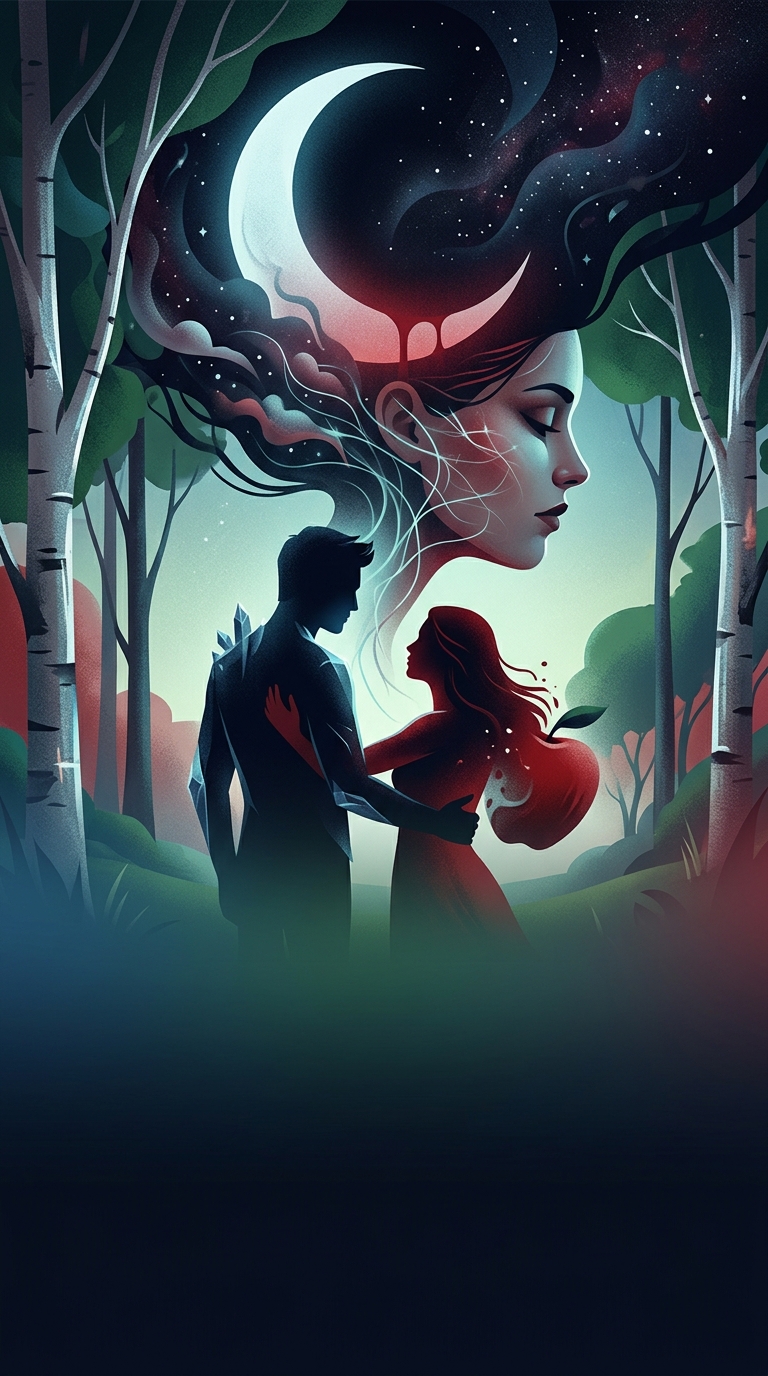
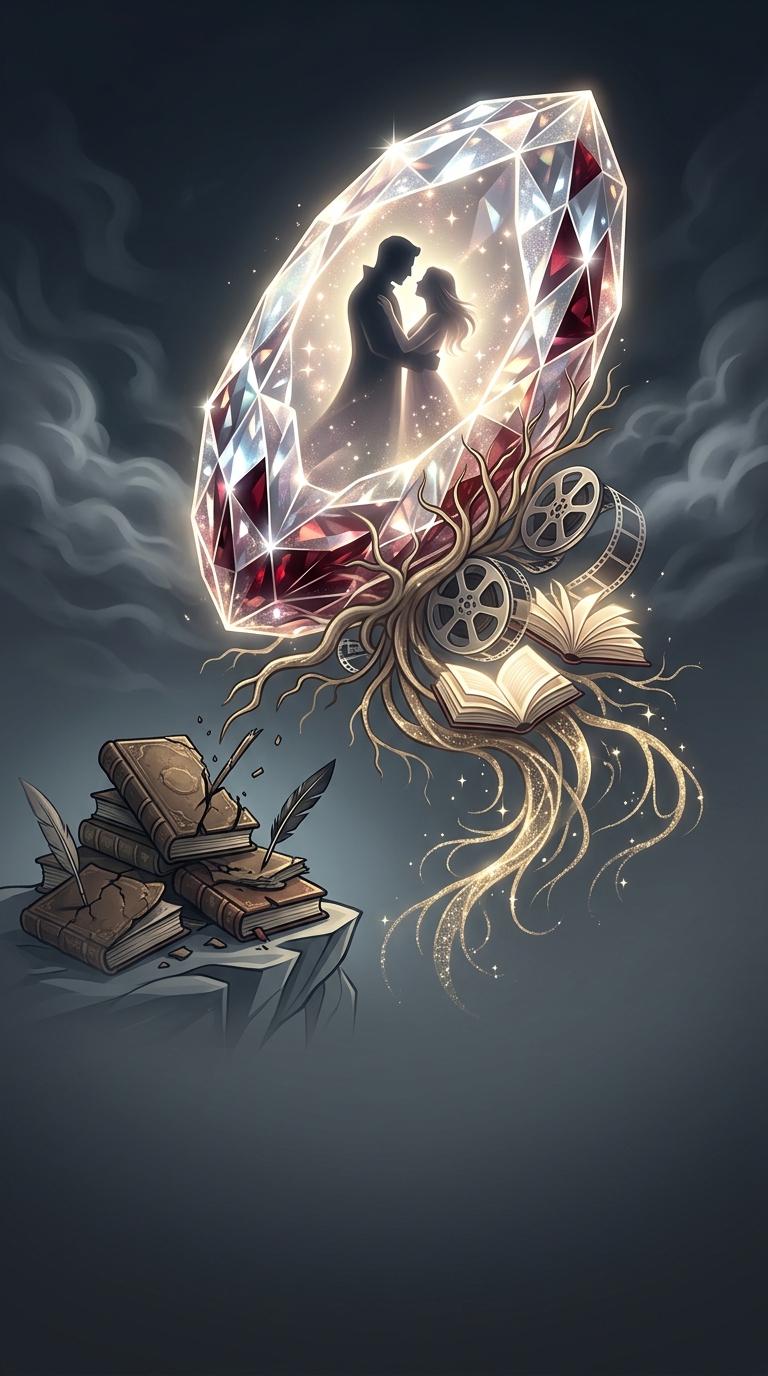
Stephenie Meyer’s starting point for Twilight was unusually vivid: a romantic encounter in a meadow between a human girl and a vampire who sparkled in sunlight. After waking, she wrote the idea down. The dream gave her a charged central contrast—an intimate attraction complicated by the fact that one person was dangerous to the other—but it did not arrive as a complete novel or franchise.
That distinction matters. A striking image can spark a story, but a book needs decisions the dream cannot make: who the characters are, what they want, what stands in their way, and what happens next. Meyer, who had not written fiction before, turned the remembered scene into the beginning of a larger narrative.
From one encounter to a series
The meadow scene contains a built-in story problem. The vampire’s beauty and tenderness pull the human girl closer, while his nature makes closeness risky. That tension can keep generating choices: whether to trust, how much danger to accept, and what love might demand. In Twilight, the dream’s romantic image became the seed for a sustained conflict rather than a scene simply reproduced on the page.
The wider franchise grew from that expansion—from a single remembered moment into characters and events that could continue across books and adaptations. The leap is a useful reminder that creative beginnings are not always outlines or carefully planned concepts. Sometimes they are one vivid scene, followed by the less dreamlike work of building everything around it.