A Trailer Is a Campaign, Not Just a Cut
A two-minute trailer looks like a short piece of editing, but it is often the centerpiece of a much larger marketing operation. The agency has to find a clear story inside a feature-length film, then shape it into a pitch that works for people who know nothing about the movie—and still gives fans something to anticipate.
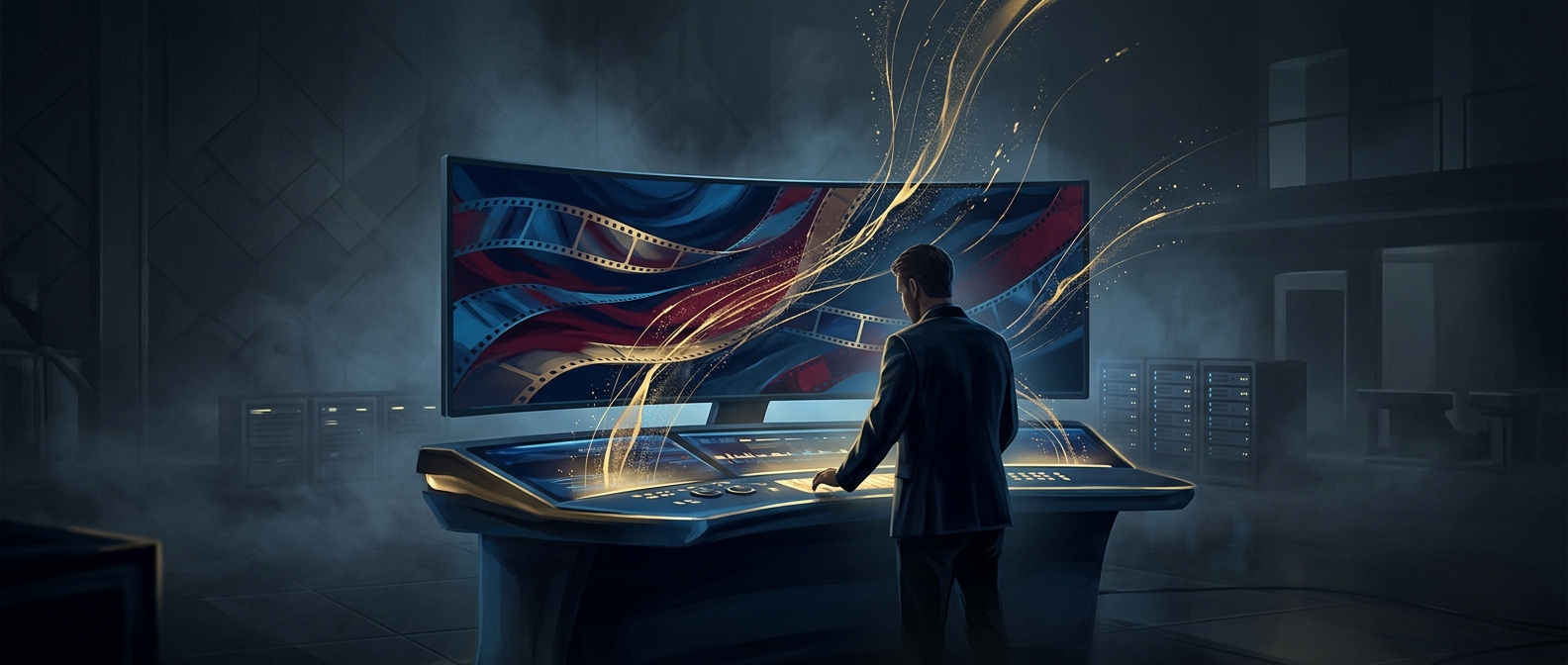
That takes more than trimming scenes. Editors and creative teams test different openings, rearrange moments, refine the pacing, and build toward a final beat. Sound design—the added or reshaped effects, music, and audio transitions—helps make those cuts feel urgent and coherent. Each revision is a chance to sharpen the promise of the film, but also another round of specialized work.
One Film, Many Audiences and Formats
The main trailer may need to support a wider campaign: shorter edits, versions aimed at different audiences, and formats adapted for television, social feeds, or other placements. A scene that reads clearly on a cinema screen may need a different rhythm or framing on a phone. The campaign also has to avoid revealing too much while giving viewers enough reason to care.
That creates a commercial balancing act. The studio is paying to turn a complicated movie into a simple, memorable expectation—and to make that expectation travel across channels. Music and other creative elements may involve separate rights or production costs, while the agency’s work can involve many rounds of editing and review. The expensive part is not the runtime; it is the work of making every second sell the right movie.