Why a winter scene can outlast the shoot
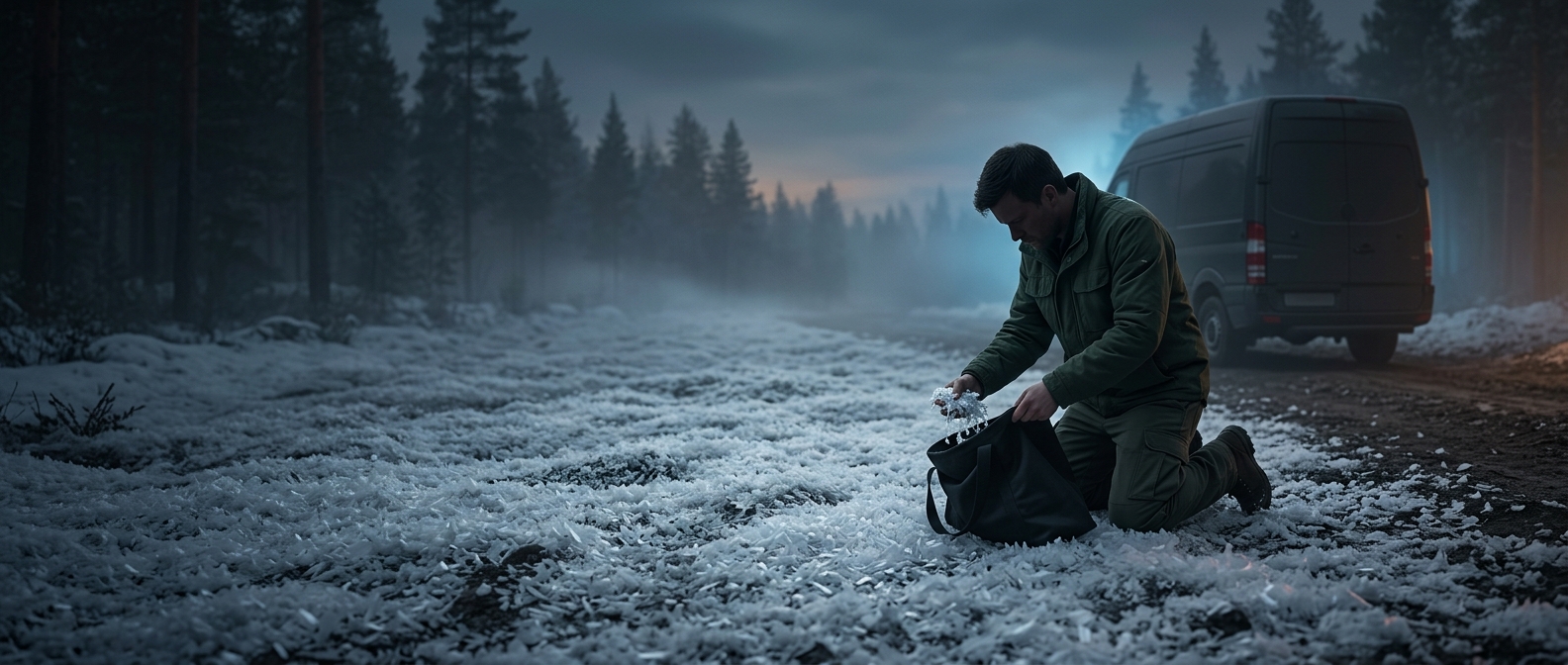
Real snow is difficult to schedule: it may arrive late, melt between takes, or change from shot to shot. Productions can create a steadier-looking winter landscape with artificial materials, including shredded white plastic or chemical foam. These substitutes let crews control where the “snow” falls and keep a scene visually consistent while filming.
What happens when the snow does not disappear
Natural snow melts into water. Plastic scraps do not, and foam may not break down or wash away readily. Wind, rain, foot traffic, and equipment can spread loose material beyond the area where it was first placed. A temporary layer for the camera can therefore become scattered litter once the crew has moved on.
The challenge is that cleanup is not as simple as waiting for a thaw. Small pieces can be hard to see against pale ground, caught in vegetation, or carried away from the filming site. Removing them may require a deliberate sweep of the location rather than the natural change in weather that clears real snow.
The production choice has a second setting
Artificial snow solves a filmmaking problem on screen, but its effects continue off camera. The practical question is not only how convincing the winter looks during a take; it is also what material is used, where it goes, and whether it can be collected afterward. A scene may last only moments in a finished film, while the scraps used to make it can remain in the landscape long after filming ends.