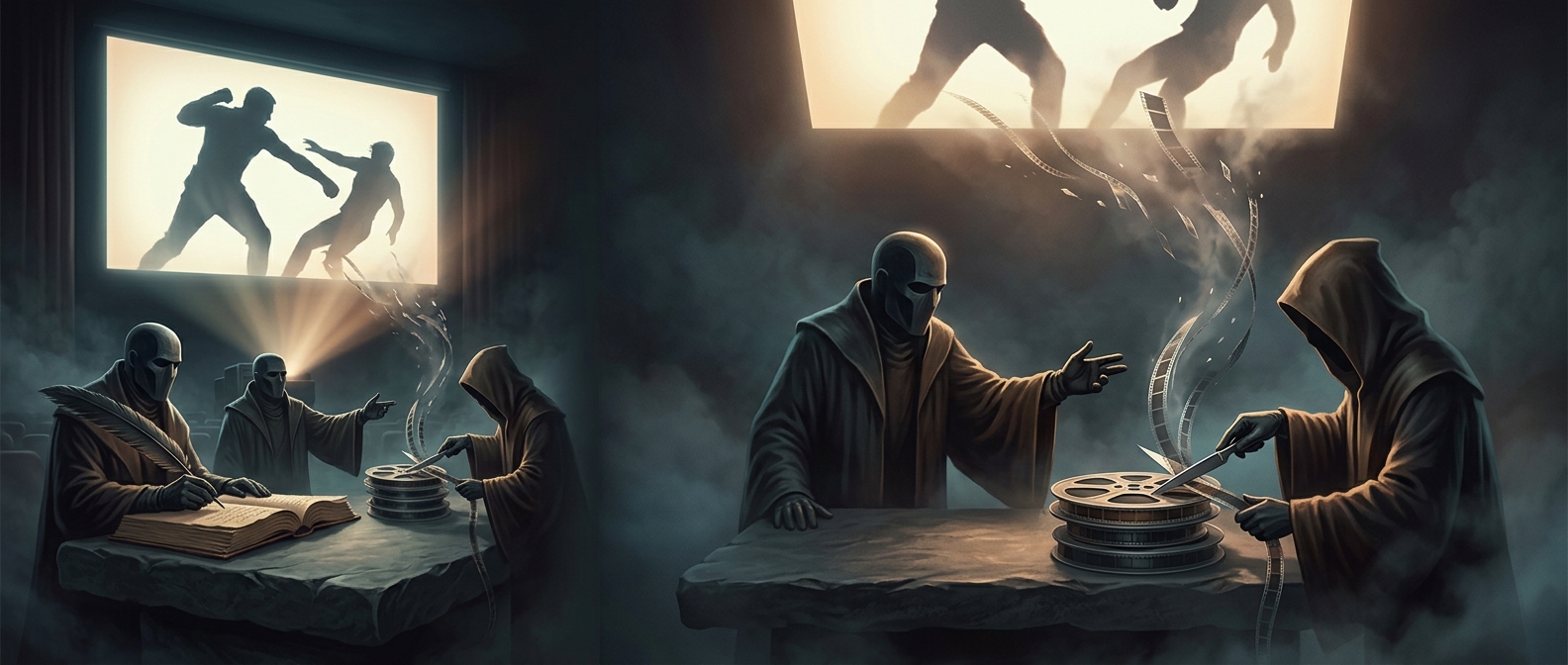
Why filmmakers submit a harsher cut than they plan to release
A ratings board judges the version of a film it is shown, not a list of scenes considered one by one. The impact of violence can depend on how graphic it looks, how long it lasts, how often it appears, and what surrounds it. A brief blow may register differently from a sustained shot of injury, even if both depict the same event.
That gives filmmakers room to shape a submission strategically. A director or studio may include material that pushes the cut beyond the rating they hope to receive, expecting the board to identify what crosses the line. The filmmakers can then remove or shorten particular moments while trying to preserve the scenes they consider essential.
The trade is about which seconds matter
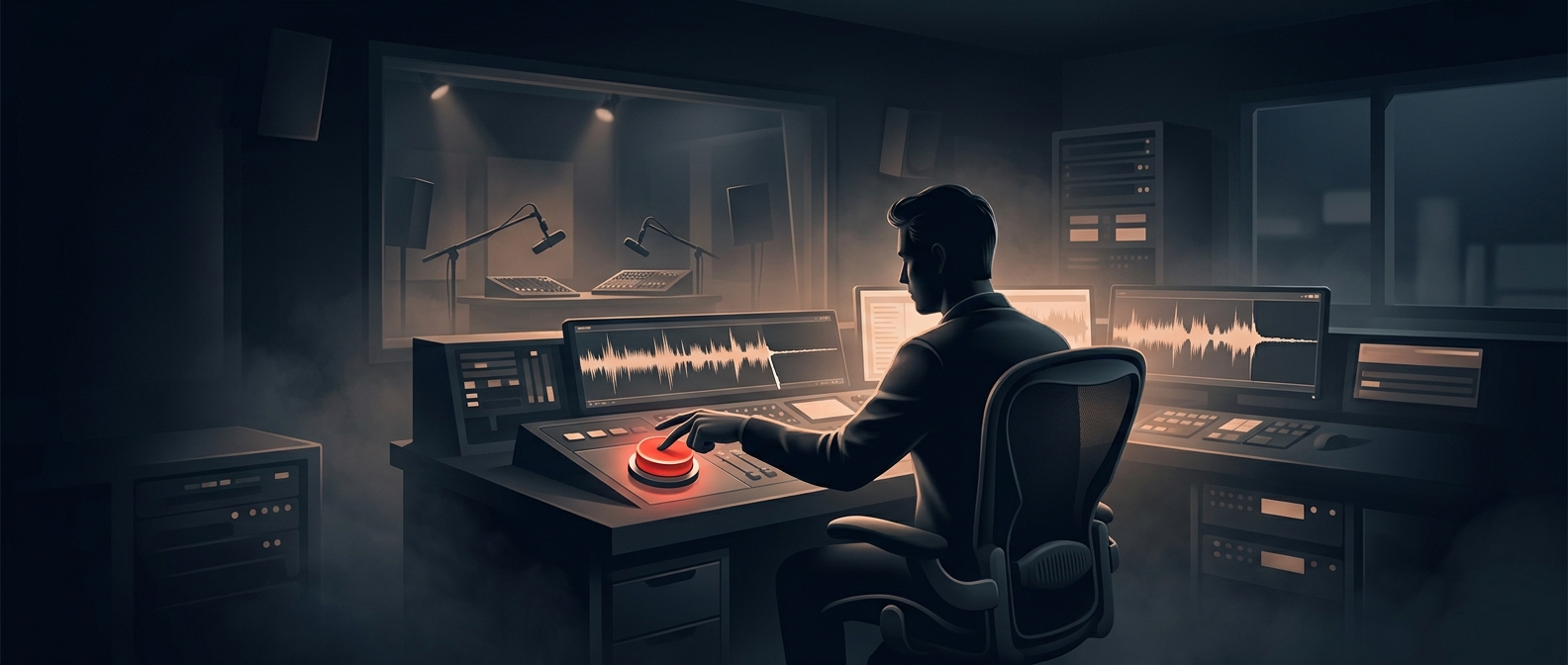
This is less a literal bargain than a way to learn where the board draws its boundary. If a sequence is flagged, a few seconds of explicit detail—or a change in how long the camera lingers—may be enough to alter its effect. The goal is not necessarily to make the violence disappear, but to keep its dramatic function while reducing its intensity on screen.
The tactic is uncertain: a board may assess the film differently than the filmmakers expect, and ratings depend on the whole presentation. Still, submitting an intentionally harsher cut can make the eventual edit more targeted. Instead of cutting an entire confrontation, a filmmaker may be able to trim the most graphic instant and keep the build-up, the characters’ reactions, and the story beat intact.The final version can lose only a few seconds yet feel substantially different to the people assigning its rating.