A Small Change That Keeps the Scene Legible
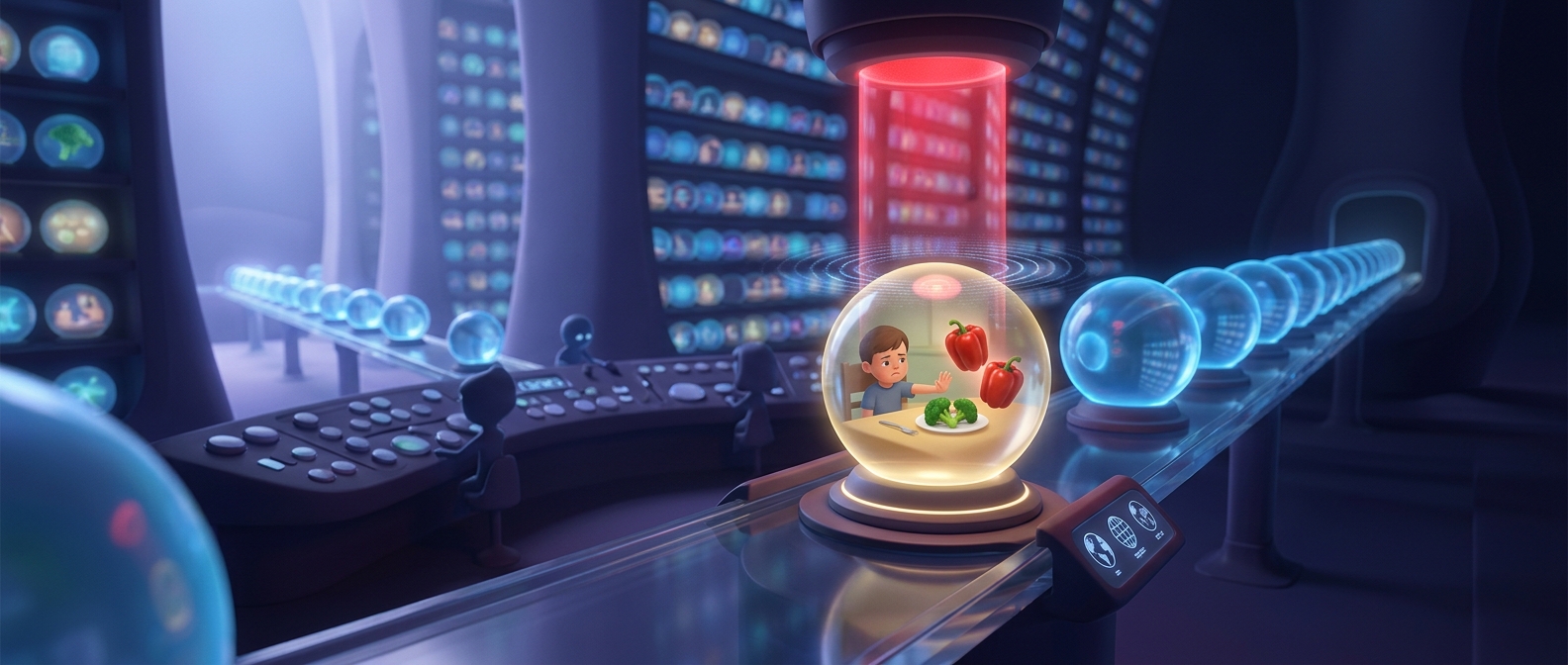
In Inside Out, the pizza topping is more than a menu choice: it helps show Riley’s disgust. The audience needs to recognize the food as something she might reject before her expression and reaction fully land. If the topping does not carry that meaning for viewers, the joke loses some of its force.
Localizing the Cue, Not the Story
For the Japanese version, the animators changed the topping from broccoli to green bell pepper. The goal was not to alter Riley’s personality or the scene’s emotional turn. It was to give that turn a food cue that would make sense to the audience watching it.
That is a practical distinction in animation localization. Spoken dialogue can be translated, but a visual gag depends on what people recognize and how they interpret it. A familiar food can communicate aversion instantly; a less persuasive choice may leave viewers wondering why the character is reacting so strongly.
What Stays the Same
The swap preserves the scene’s function while adapting one detail around it. Riley still signals that she does not want the pizza, and the story still uses that reaction to make her feelings visible. Only the ingredient changes.
It is a tiny adjustment, but it shows how a film can keep the same emotional beat across cultures without insisting that every audience respond to the same object. In this case, the green pepper does the storytelling work broccoli might not.