A Familiar Face, Recast for Each Market
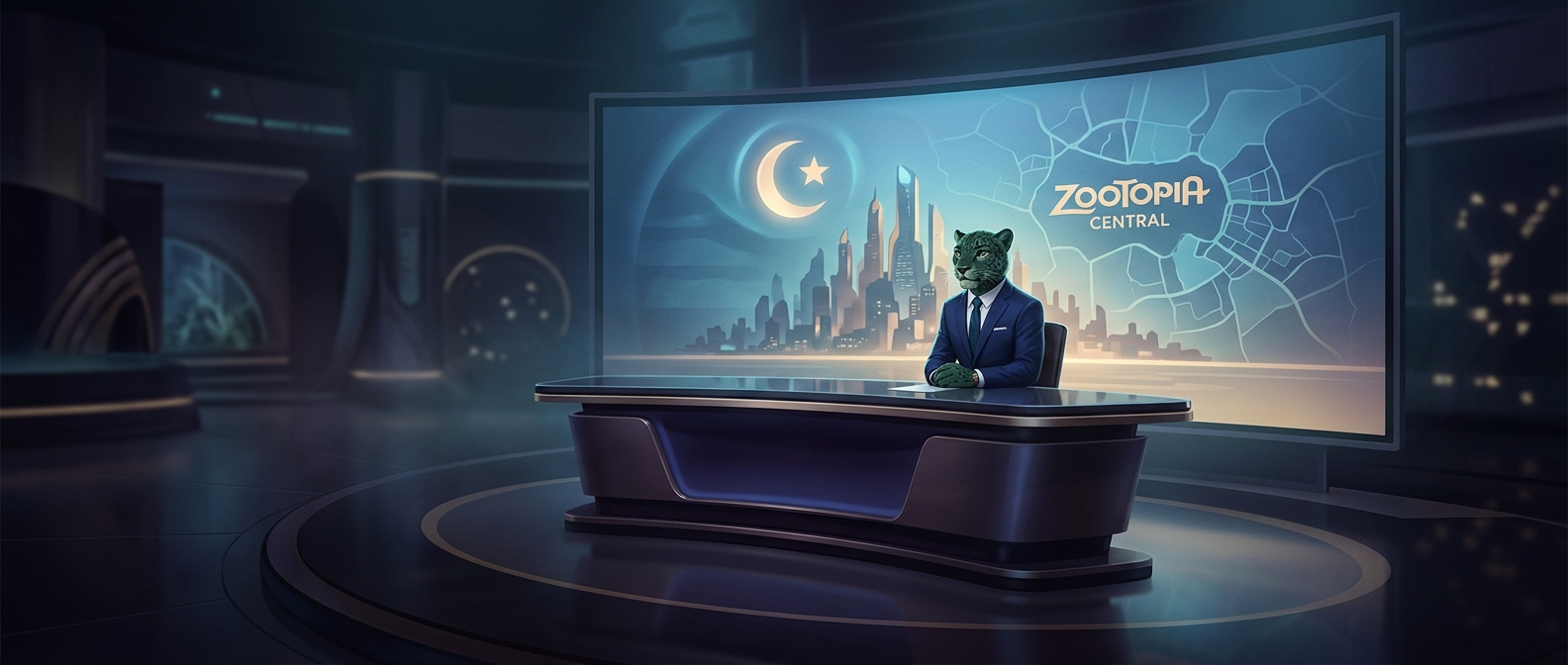
In Zootopia, the news anchor is not the same animal in every release. U.S. audiences see a moose, viewers in the U.K. see a corgi, Japanese audiences see a tanuki, and Australian audiences see a koala. The change is a small example of visual localization: adapting an image or detail to feel more recognizable in a particular market, rather than changing the story’s central events.
Why the Species Matters
Zootopia’s world turns animal species into part of the setting’s everyday visual language. A news anchor is a brief, familiar figure on television, so changing that animal can make the broadcast feel tailored to local audiences without asking viewers to learn a new plot point. The species also gives the moment a quick comic detail: in a city where animals fill human roles, even the person delivering the news can vary by region.
The swap works because the anchor’s function stays constant. Viewers still get a news broadcast; what changes is the animal presenting it. That makes localization visible but unobtrusive—a regional touch tucked into the background of the same film. It is a reminder that an international release can adjust more than words: sometimes one carefully chosen character design is enough to make a familiar scene feel closer to home.