How a children’s cartoon became a rebellious meme
Peppa Pig’s original appeal is straightforward: she is a cheerful preschool character in simple stories about family and everyday life. Online, users repurposed that familiarity. They added tattoos, sunglasses, and swaggering poses, turning Peppa into a comic stand-in for “gangster” or streetwise identity.
The joke depended on contrast. A character made for very young children looked suddenly like a figure from an unruly adult subculture. Sharing and remixing the images let users signal an irreverent attitude without needing a complicated message.
Why platforms intervened
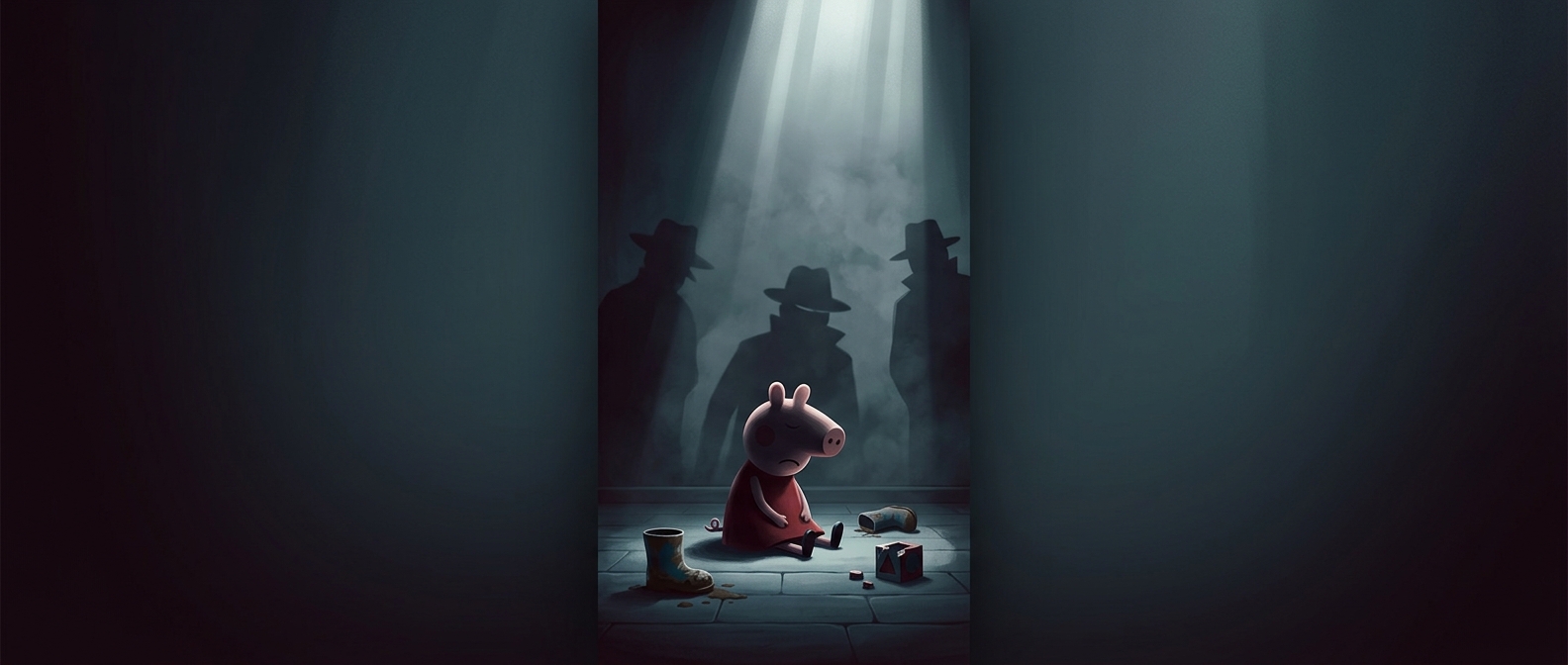
The problem, from the platforms’ perspective, was not that the cartoon itself had changed. It was that some versions of Peppa had become attached to content and communities seen as promoting vulgarity or street rebellion. A children’s character could therefore carry a meaning far removed from the one intended by its creators.
Chinese platforms briefly removed Peppa-related material as they tried to limit that association. Such moderation can target a character or meme as a recognizable marker, even when the same character remains part of an ordinary children’s program. The episode shows how quickly online meaning can be remade: once a familiar image becomes a shorthand for a subculture, controlling the image may seem easier than separating its many uses.