What a Queue Uses as Its Price
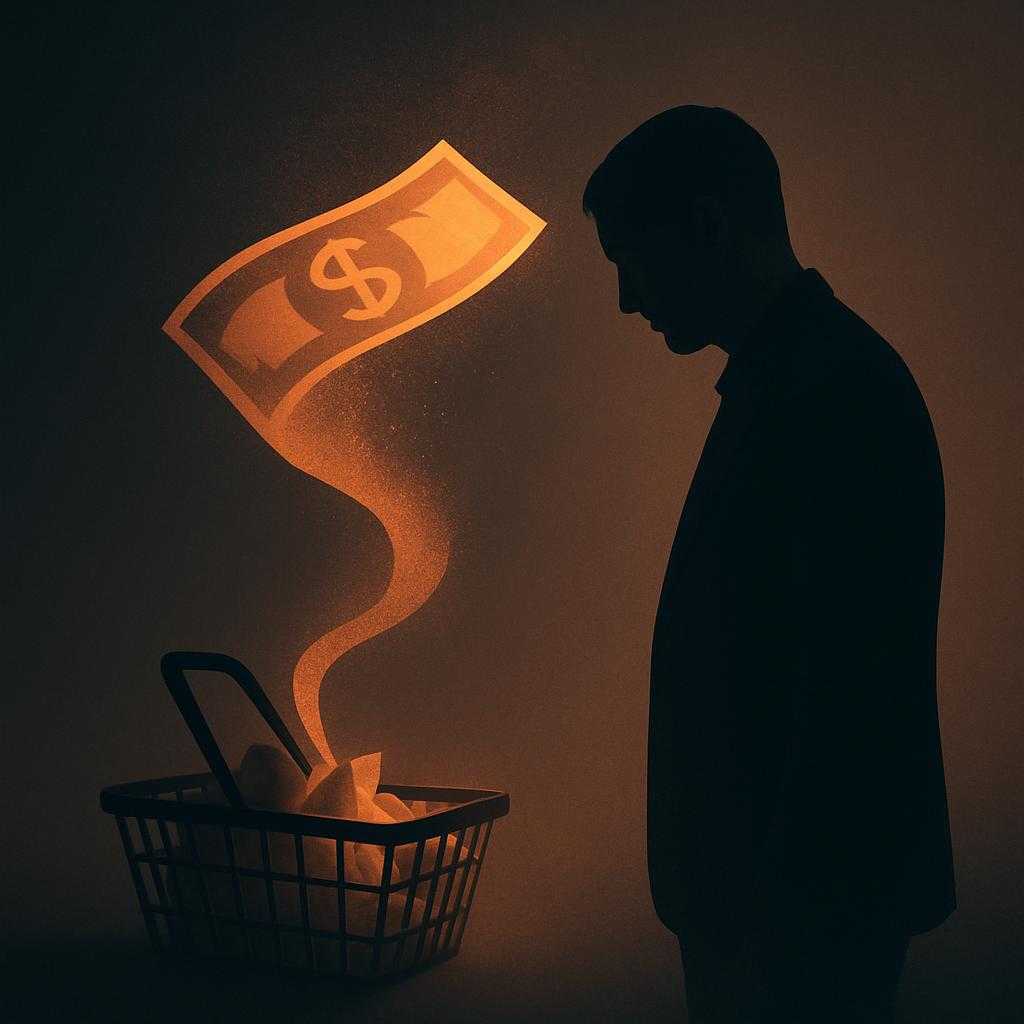
When a scarce item is allocated by waiting, the posted price is only part of what a buyer gives up. The rest is time: hours spent in line that could have gone to work, rest, or something else. Economists call the value of the best forgone alternative an opportunity cost. A queue can therefore be costly even when no money changes hands.
But time is not equally costly for everyone. Someone with flexible hours may find a long wait manageable; someone who loses wages or must arrange childcare may pay much more in practical terms. The queue’s rule does not measure those differences. It sorts people by who is able and willing to wait, not necessarily by who values the item most.
Why Waiting Can Waste Resources
Suppose two people want the same limited item. One would pay more for it, while the other has a lower willingness to pay but can spare more time. A first-come, first-served line may give it to the second person. The hours spent waiting also produce no additional item: they are a cost of securing the allocation, not work that makes the scarce good more plentiful.
That is the sense in which queuing can have no direct productive value. It may still serve a purpose: when a seller cannot raise prices, a line can ration demand, and the prospect of waiting may discourage some people from joining. Yet the method can favor people with spare time over people who place a higher value on the good.
The Tradeoff Behind the Line
A higher price can allocate goods toward buyers willing to pay more, but it also excludes people who cannot afford that price. A queue avoids charging more money, while imposing a less visible and uneven time cost. Neither rule is automatically fair; each decides who bears scarcity in a different way.
The next time a line stretches around a block, its length is not just a sign of demand. It is also a hidden bill, paid in hours—and those hours may fall hardest on the people least able to spare them.