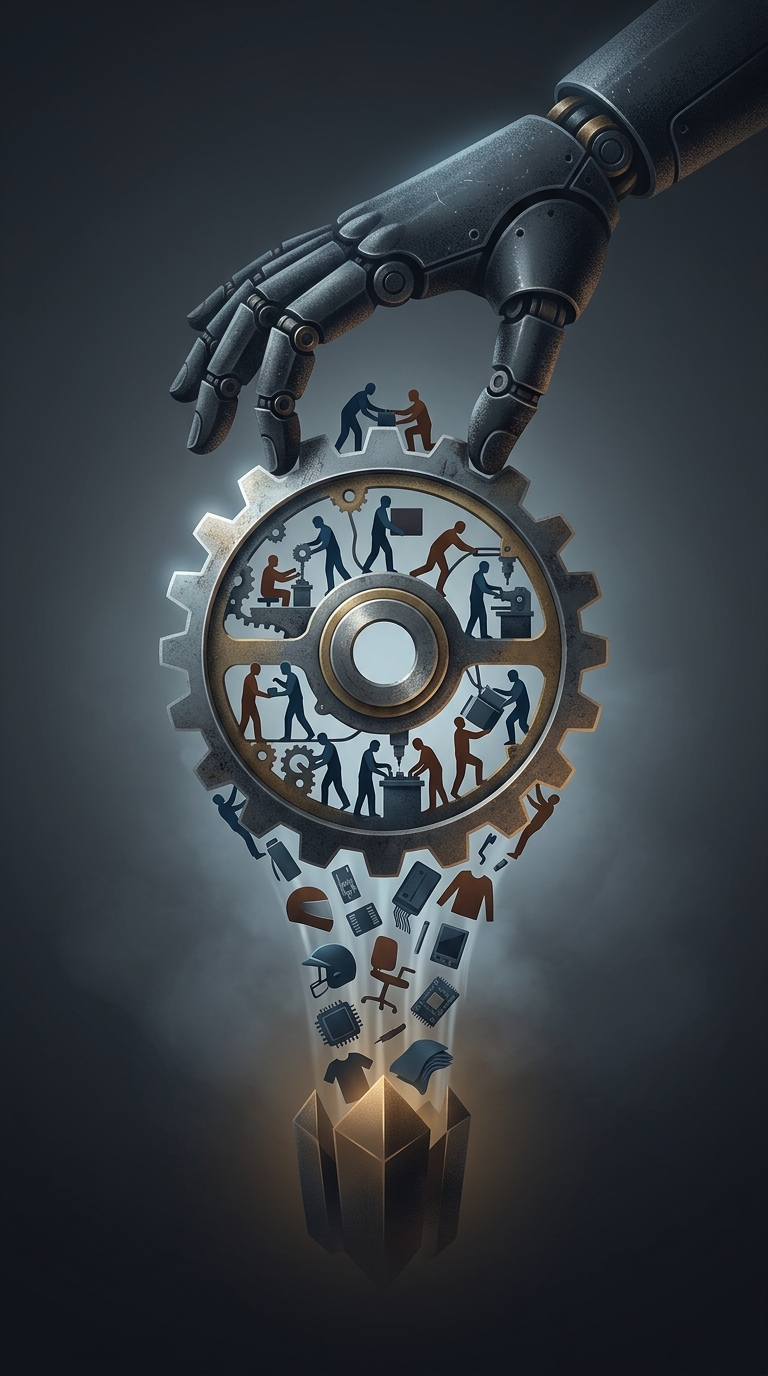
How One Bad Hire Becomes a Team-Wide Expense
A hiring mistake rarely stays confined to one person’s paycheck. The cost spreads through the work around them: a colleague checks unfinished tasks, a manager steps in to correct decisions, and deadlines slip while the team repairs avoidable errors. Those hours are real labor, even when they do not appear on the new employee’s salary line.
The disruption can also change how the team works. People may take on extra duties, postpone their own projects, or spend time resolving friction instead of serving customers. If reliable employees begin to feel that poor performance is being tolerated, morale and trust can suffer—making it harder to keep the people the organization most needs.
Why the Cost Keeps Growing
A bad fit can be difficult to identify immediately. Managers may invest weeks or months in coaching, adjustments, and closer supervision before deciding that the match is not working. During that time, the organization pays not only for the employee’s work, but also for the attention needed to manage the gap between expected and actual performance.
Ending the employment does not reset the clock. Depending on the circumstances, there may be separation costs, and the organization must repeat the recruiting, interviewing, and onboarding process. The replacement also needs time to learn the role, so the position can remain less productive even after a stronger candidate arrives.
That is how the original salary becomes only one part of the bill. The largest expense may be the work displaced across the rest of the team: corrections, delays, extra supervision, and a second attempt to fill the same seat.