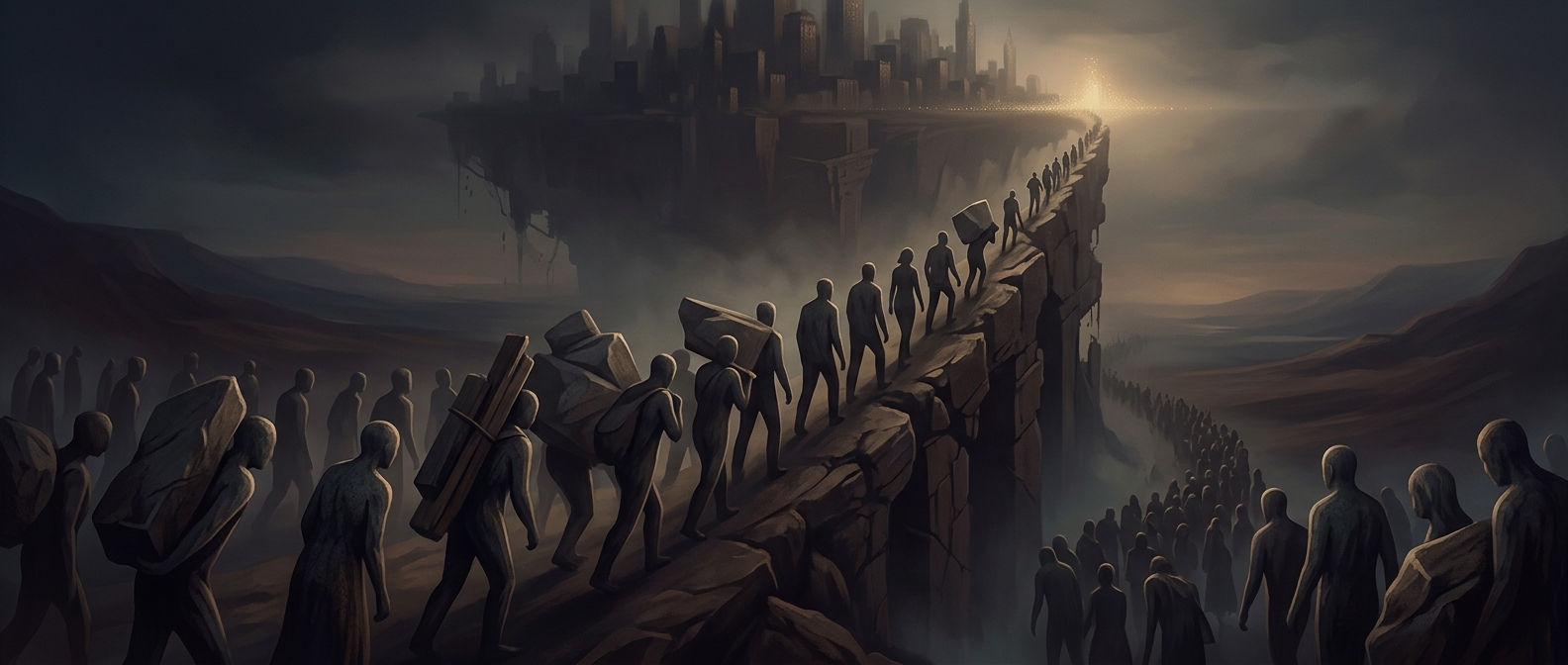
The Exception That Shapes Prison Work
The 13th Amendment abolished slavery and involuntary servitude, but its text makes an exception for punishment after a criminal conviction. That clause helps explain why prison work is treated differently from ordinary employment. Incarcerated people may be required to work under some prison rules, while the wages and protections attached to the work can differ sharply from those in a free labor market.
The exception is not a blanket permission for any company to use anyone’s labor on any terms. Prison work is organized through a mix of government-run programs and arrangements involving private businesses, and the rules vary by jurisdiction and program. Some jobs support the prison itself; others produce goods or provide services for outside customers.
Why the Economics Can Favor Employers
The basic cost advantage is straightforward: incarcerated workers often receive very low pay, and employers may face fewer ordinary labor costs than they would with employees outside prison. That can make prison work attractive for tasks such as manufacturing, maintenance, food service, or office work. The benefit to a business depends on the specific arrangement; claims of universal, multibillion-dollar annual savings should not be assumed without evidence.
The tradeoff is stark. A person working for cents an hour may gain routine, skills, or a way to earn money, but has little freedom to change jobs or bargain over pay. Prison rules and security needs also shape what work can be done and how production is organized. The key economic difference is not simply low wages: it is that workers have far less power to refuse or negotiate the terms.
That difference can ripple beyond prison walls. When a public agency or company buys prison-made goods or services, the low labor cost may influence its purchasing choices—and can put pressure on employers competing with ordinary workers. The constitutional exception makes prison labor legally possible; the systems built around it determine who benefits, what workers are paid, and where the products end up.