Why a quick reply can erase the end of a number
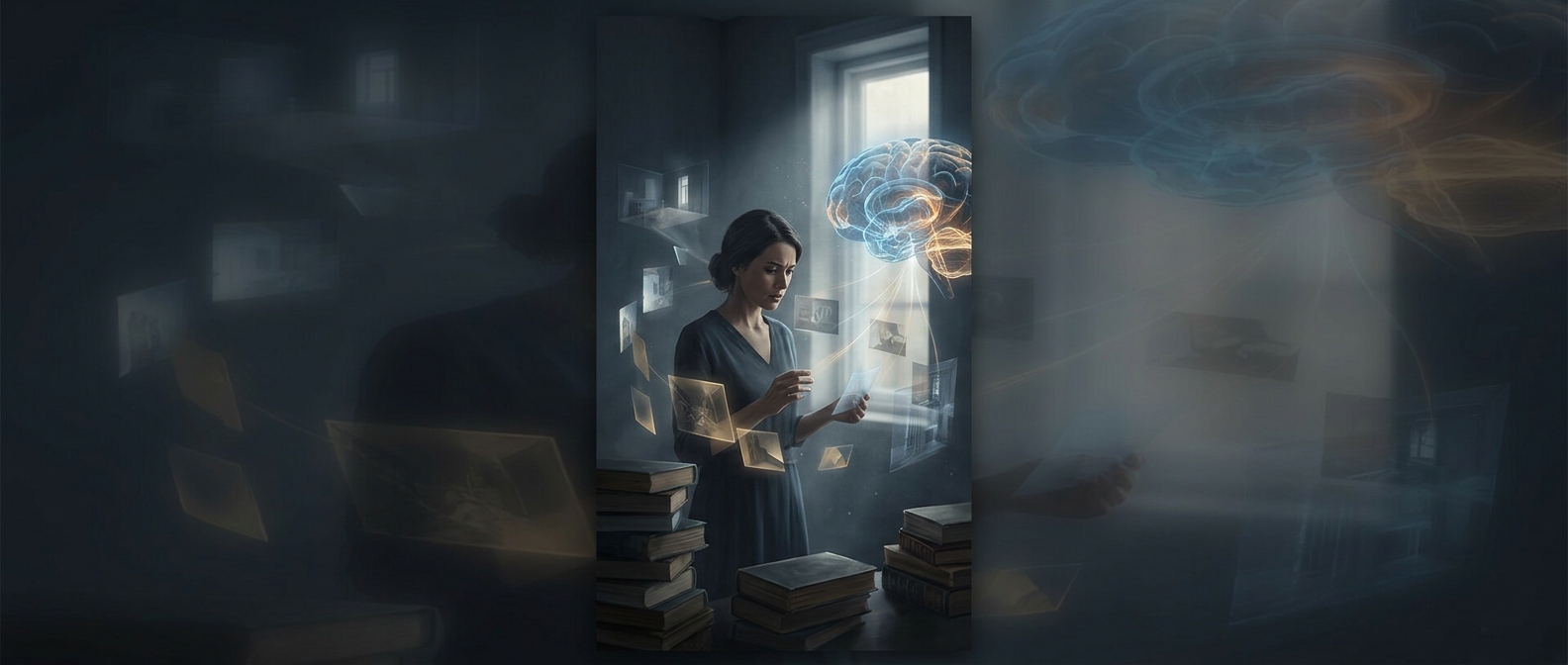
A phone number you have just heard is not immediately stored as a lasting memory. For a few seconds, your working memory—the mental workspace used to hold and manipulate information—keeps it available while you decide what to do next. One way it does that is through silent rehearsal: you repeat the digits to yourself, keeping them from fading.
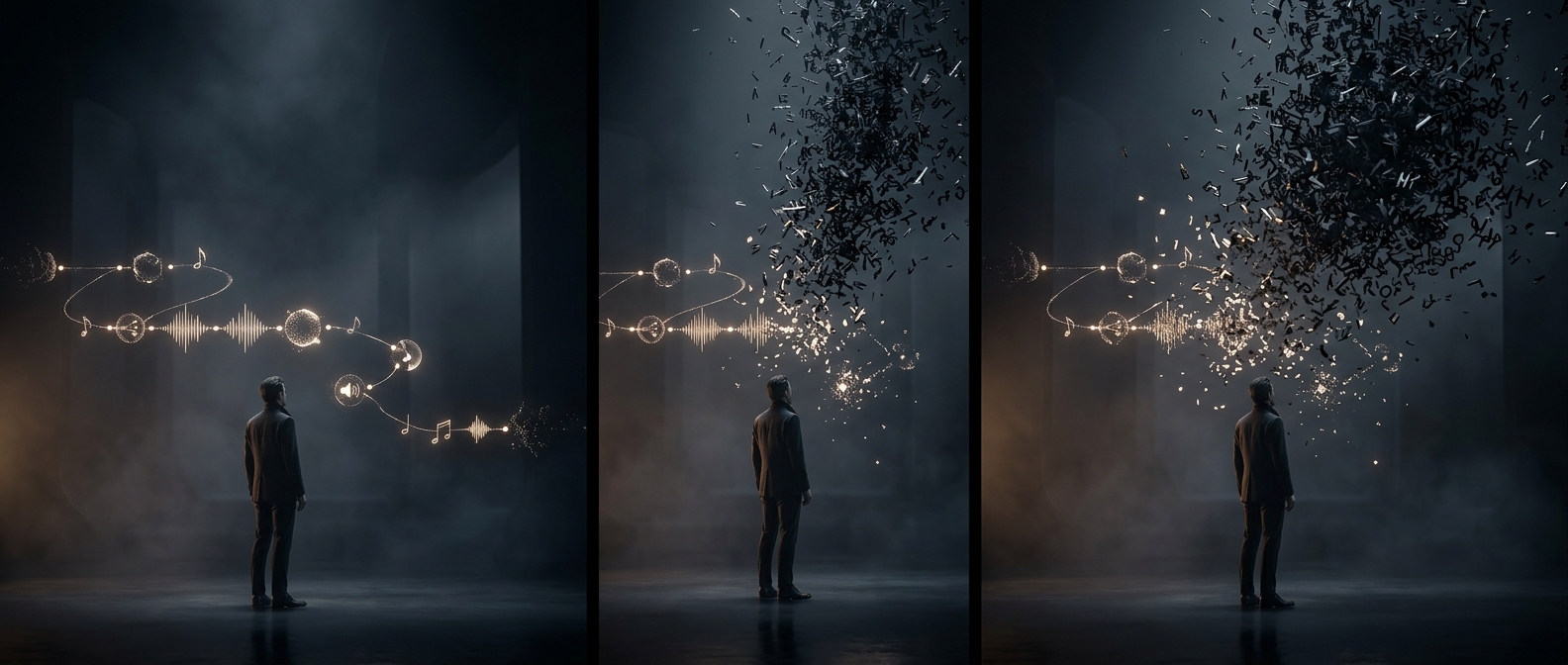
That rehearsal is easy to interrupt. If you say “okay,” your brain has to plan the words, move your speech muscles, and monitor the sound of your own voice. This verbal activity competes with the process that was refreshing the digits. The number may still be in your mind, but its final part can become harder to retrieve first because it has had the least time to settle into a more durable memory.
The reply takes up the same mental channel
This is not simply a matter of the word “okay” having a special effect. Any task that uses language—answering a question, repeating a name, or beginning a conversation—can disrupt verbal rehearsal. The interruption may be brief, but a short number is also brief: if you stop repeating it before you record or use it, there may be little left to recover.
The practical fix is to change the sequence. Save the number first, or keep repeating it until you can enter it. Even a small pause before replying gives the fragile information a chance to leave working memory and reach a more reliable place: the phone’s screen.