One Voice, Many Roles
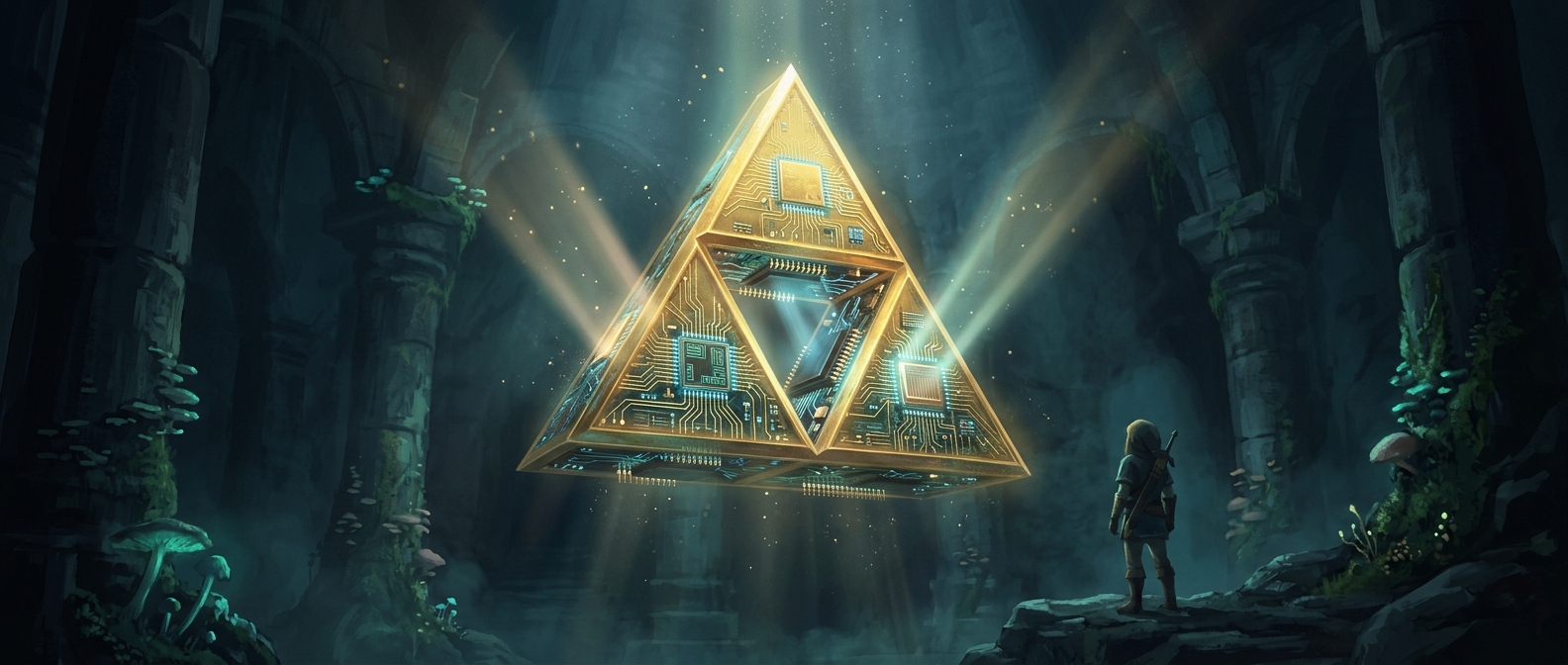
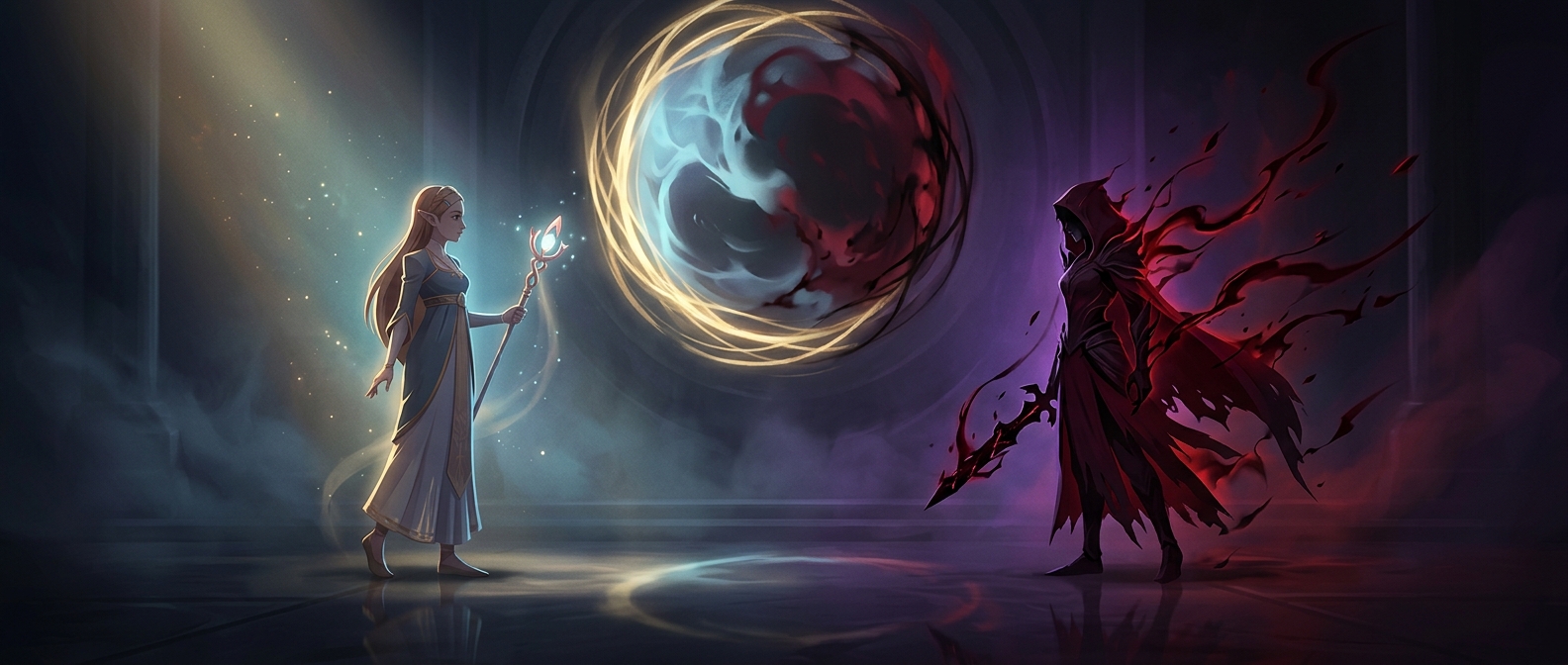
Voice actors are hired for individual performances, not assigned permanently to one kind of character. An actress who plays Zelda in a game can also audition for, or be cast in, an adult animated series or a dubbed anime—including as a villain. Those productions are separate jobs, often recorded in separate sessions, so the contrast may be invisible to anyone who knows her only as the princess.
The Performance Changes With the Character
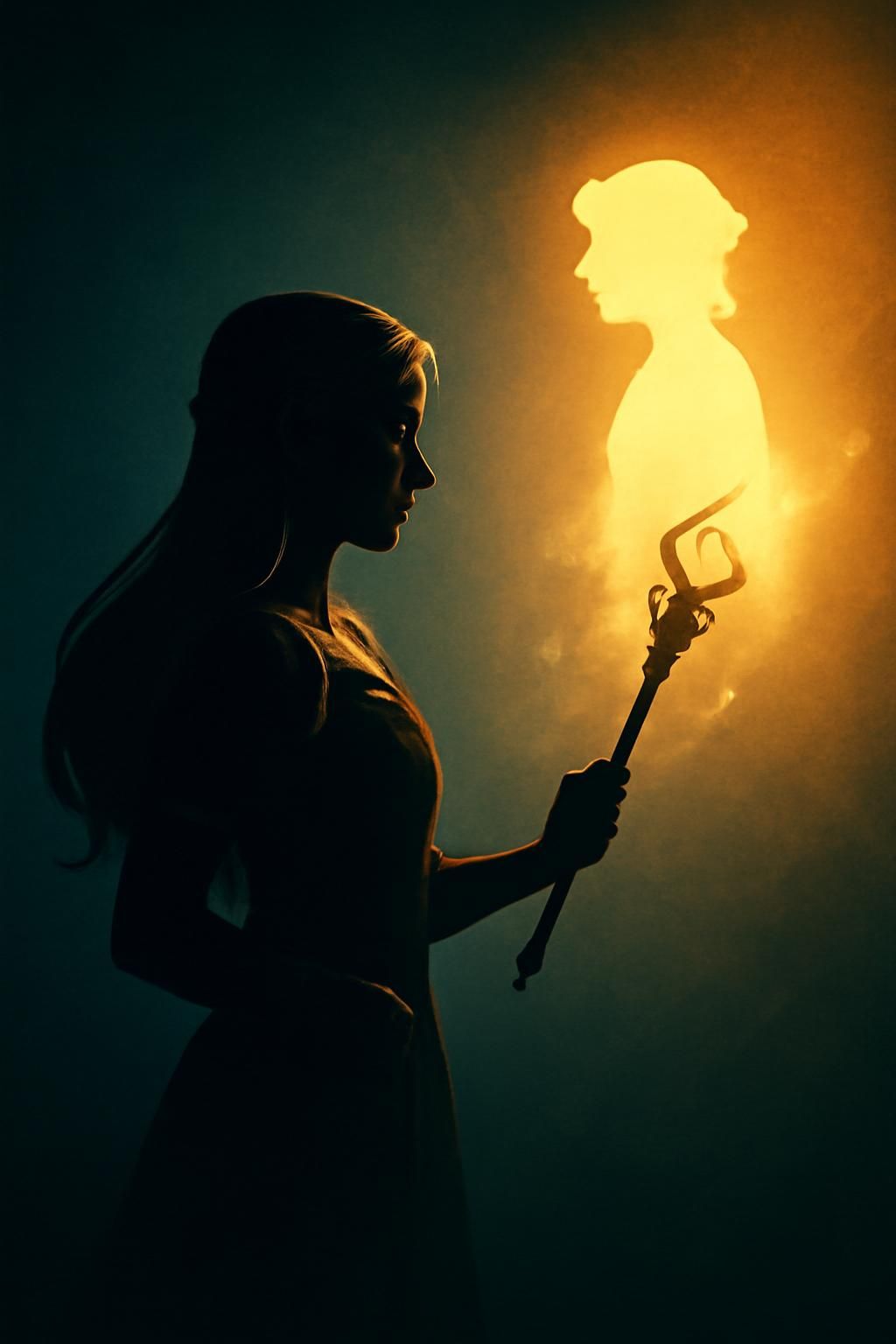
A voice is more than its natural pitch or tone. Actors adjust delivery—the pace, volume, breath, emphasis, and emotional tension of a line—to make a character sound gentle, commanding, frantic, or menacing. A soft, reassuring voice for Zelda can become a sharp, threatening one through performance choices, while still retaining qualities a familiar listener might recognize.
Dubbing adds another constraint: the actor has to fit the translated dialogue to an existing scene, matching its timing and emotional beats. A dramatic outburst may therefore demand a very different performance from the measured lines of a game character, even when the same actor is behind both.
The Surprise Is in the Credits
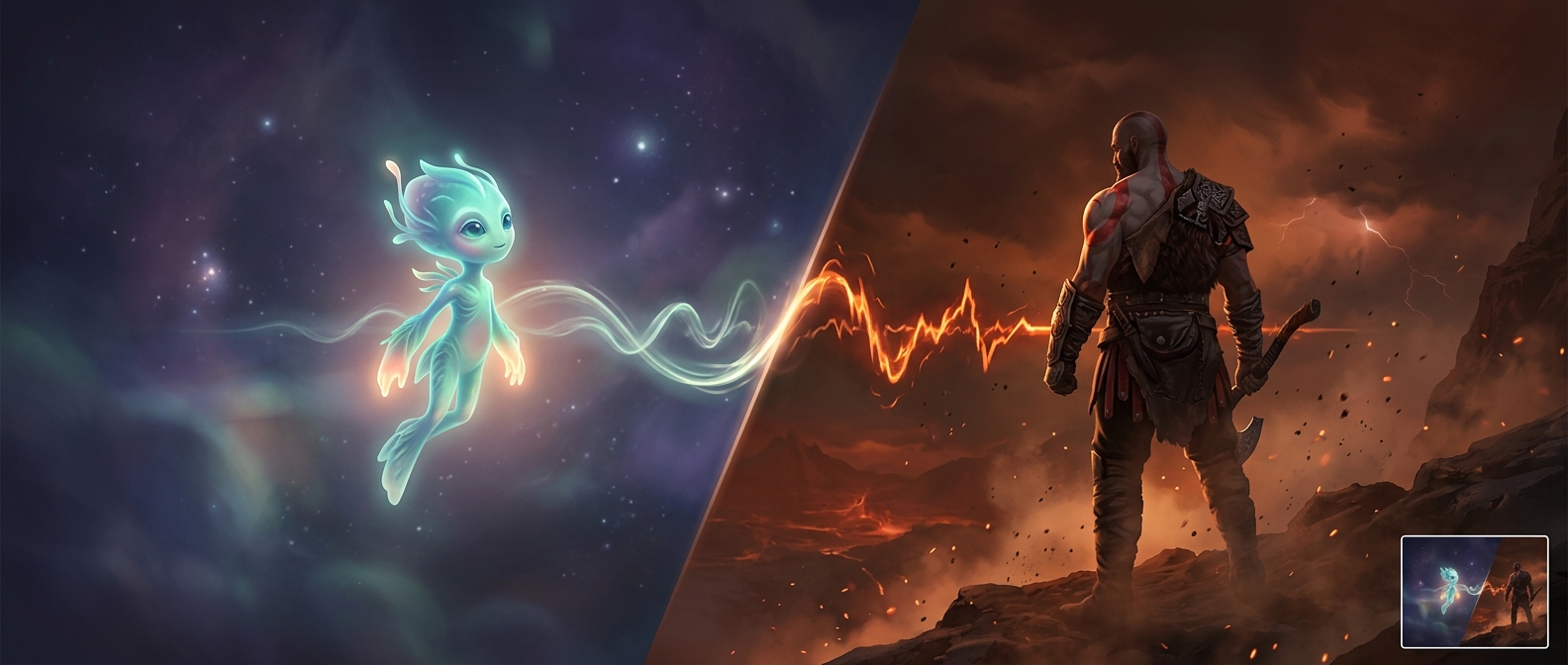
This kind of casting reflects the range of work available to voice performers, not a secret connection between the characters or their worlds. The princess and the villain remain distinct creations; the shared element is an actor able to make each voice convincing. Recognizing that performer can make a scene’s credits feel like a hidden crossover—without the characters ever meeting.