How a Room’s Location Can Lower Its Price
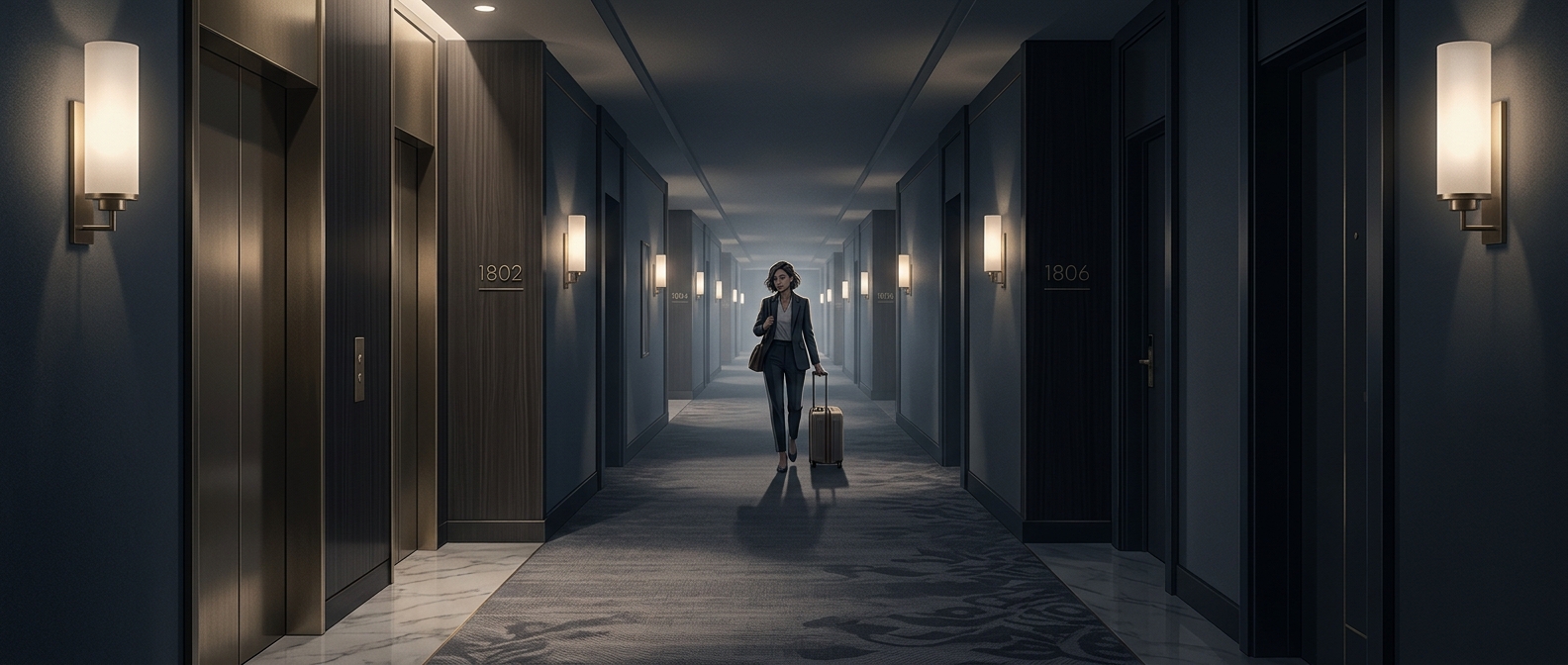
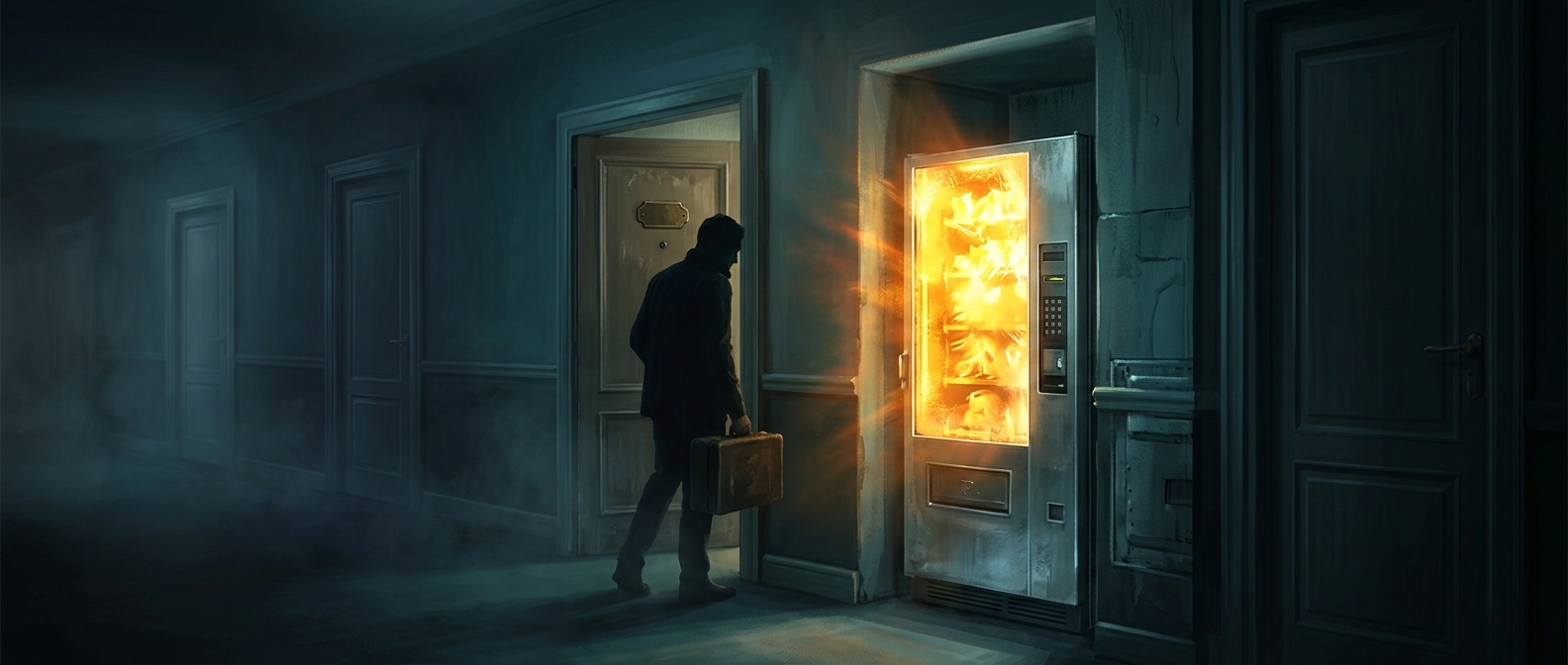
A hotel room’s rate reflects more than its size or furnishings. Its position in the building matters, too. Rooms near elevators, ice machines, vending areas, service corridors, or mechanical equipment can be harder to sell because guests may hear doors, voices, carts, or machinery. When a hotel has rooms that many guests would rather avoid, it may price some of them lower or include them among its least expensive options.
Why the Noise Carries
These spots sit beside places where people or equipment keep moving, sometimes late at night or early in the morning. An elevator brings foot traffic throughout the day; a service area can add the clatter of staff work. Walls and doors block some sound, but a room’s position can make repeated noises more noticeable—especially when the sound comes from just outside the door or through a shared wall.
The tradeoff is not identical at every property. A well-insulated room beside an elevator may be quieter than one near a thinly separated corridor, and a hotel may place its cheapest rooms in other locations for reasons unrelated to noise. So the lowest rate is a clue to check the room’s position, not proof that it will be loud.
A Small Request Can Change the Stay
When booking, look for a floor plan or room-location notes, and ask whether the room is near an elevator, service area, or mechanical space. If quiet matters more than the lowest price, request a room away from those areas; the hotel may not be able to guarantee it, but the question can reveal what the rate leaves out. A modest discount can feel less like a bargain when the elevator chime becomes part of the night.