A sign is a request, not a security device
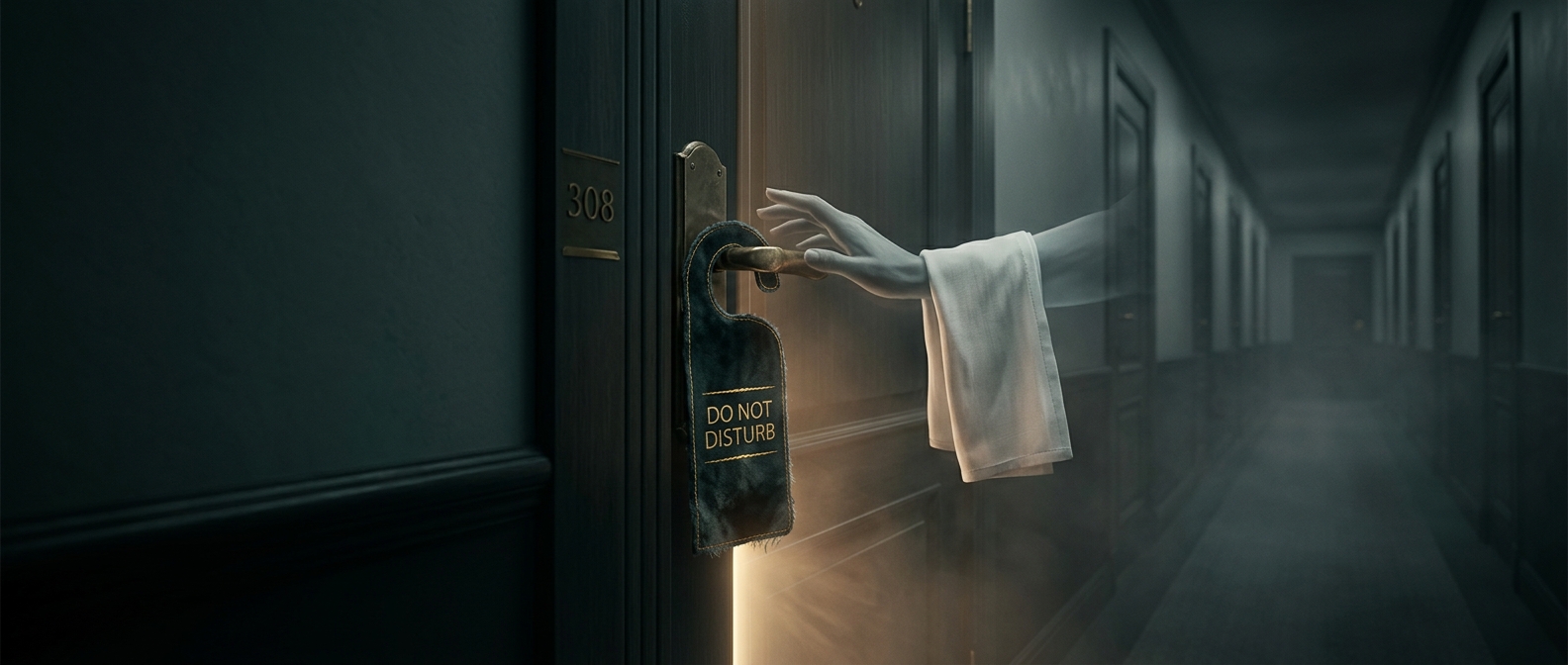
A do-not-disturb sign tells hotel staff that a guest does not want routine service. It does not disable the room lock or create an absolute barrier to entry. Hotels still need a way to respond when something inside the room suggests an urgent problem, such as a fire alarm, a leak, or a guest who may need help.
That distinction matters because housekeeping and safety are separate jobs. A housekeeper can usually skip a room during a service round, but hotel staff may follow different procedures when they have a specific reason to check on it. The sign communicates a preference; it cannot tell staff whether an emergency is unfolding behind the door.
What happens depends on the situation
There is no single procedure for every hotel. A property may have its own rules for safety checks, and the response can depend on what staff observe and how urgent the concern seems. In ordinary circumstances, the sign is meant to keep routine interruptions away. If staff do need to enter, they may announce themselves first, but an urgent situation can change what is practical.
For guests who want to avoid routine visits, the clearest approach is to tell the front desk directly—for example, that no housekeeping is wanted during the stay. That gives staff more information than a sign alone, while leaving the hotel able to act if a real safety concern arises.