Why intelligence agencies tried to see at a distance
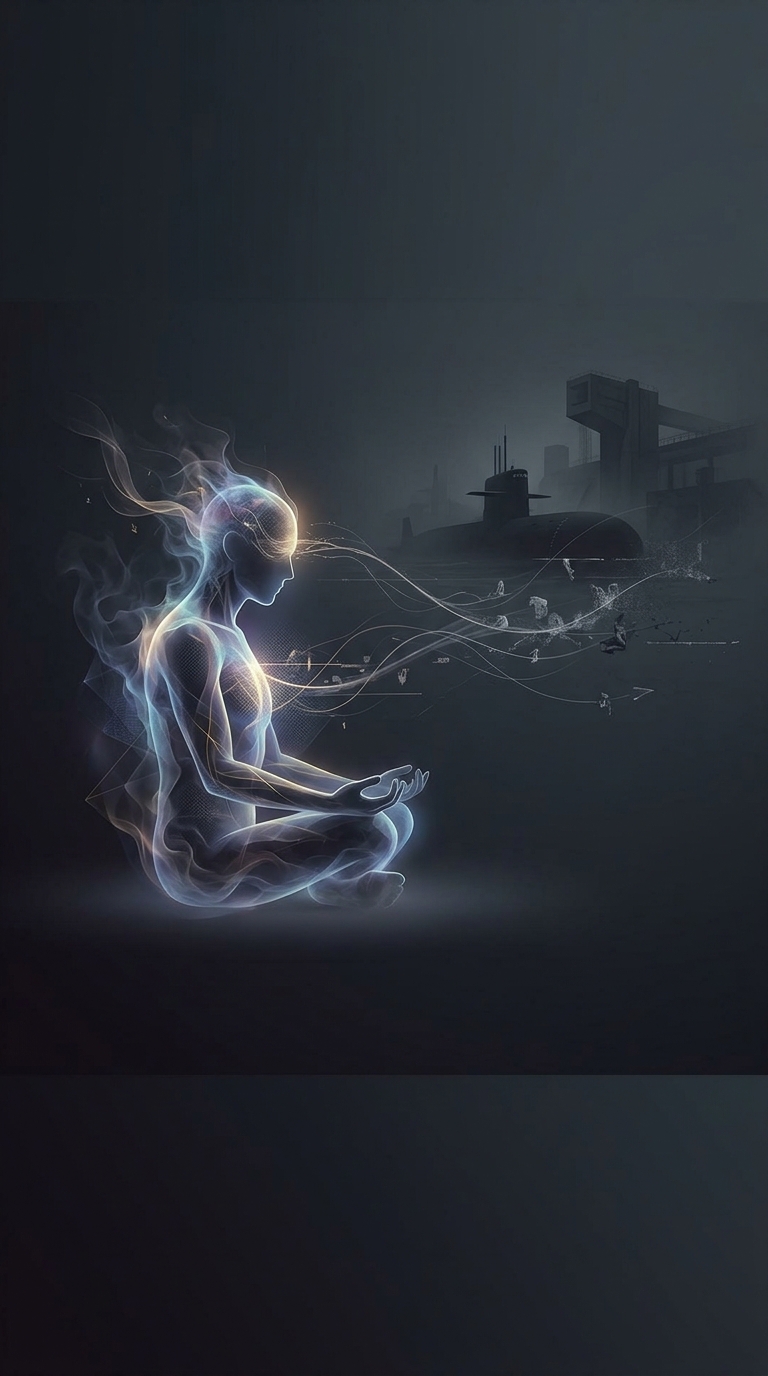
During the Cold War, intelligence officials faced a practical problem: information about a guarded site could be valuable, but getting a person or camera close enough to collect it might be dangerous or impossible. Remote viewing offered a striking proposed shortcut. A viewer would receive limited clues—sometimes just a set of coordinates—and describe images or impressions that seemed to come from the distant location.
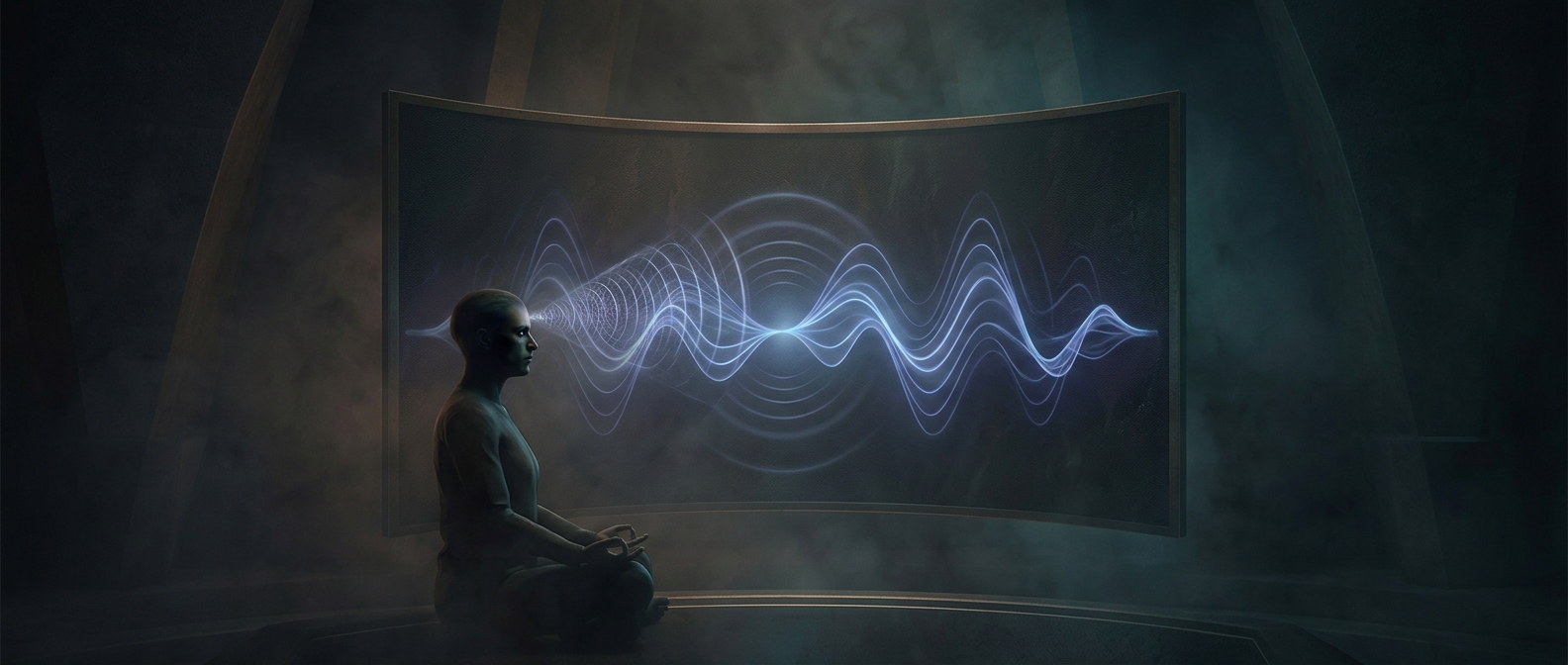
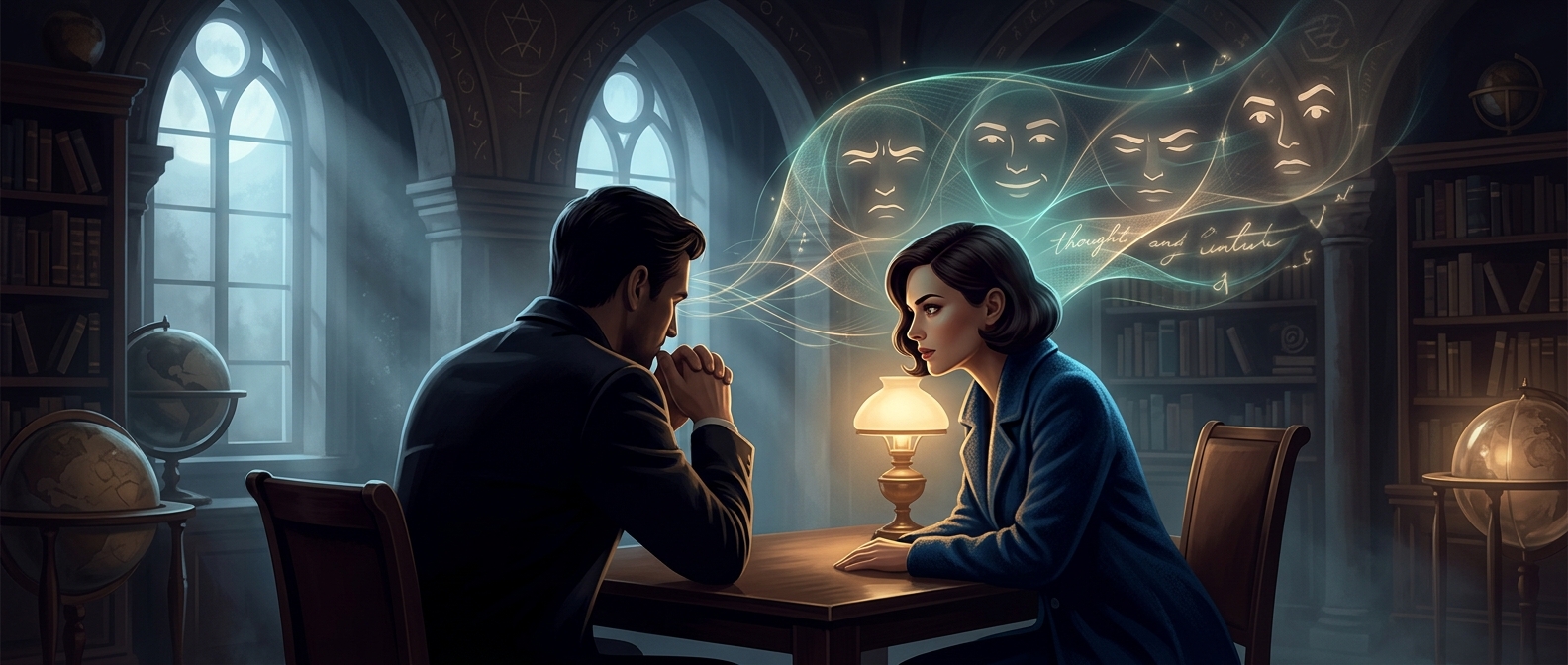
The idea drew on claims that people could perceive places beyond the reach of their ordinary senses. It was not a device for transmitting pictures. The work depended on a person trying to separate supposed impressions from imagination, memory, and guesswork, a distinction that is difficult to make from the experience alone.
The challenge was turning impressions into evidence
For an intelligence service, an evocative description was not enough. It had to match a real location in a way that could help answer a specific question. That made testing central: a viewer’s notes needed to be compared with information about a target, ideally without the viewer—or the person conducting the session—already knowing what the target was.
Even then, judging a match could be slippery. Broad details such as “a large structure” or “water nearby” might fit many places, while vivid but incorrect details could be overlooked after the target was revealed. The process therefore had to contend not only with whether a perception was accurate, but with how observers decided what counted as accurate.
Funding a possibility was not the same as proving it
Cold War agencies explored remote viewing because a capability that worked could have been useful, not because the premise had been settled. Research and trials could help officials assess whether the method produced information worth acting on. The distinction matters: government funding shows that an idea was investigated, not that it became a dependable way to spy.
The episode is revealing because it shows how the pressure to find an intelligence advantage could bring unusual proposals into serious consideration. Remote viewing promised access without crossing a border; its hardest obstacle was showing that a description came from the hidden place rather than from chance, inference, or the viewer’s own expectations.