From Egyptian star calendars to zodiac subdivisions
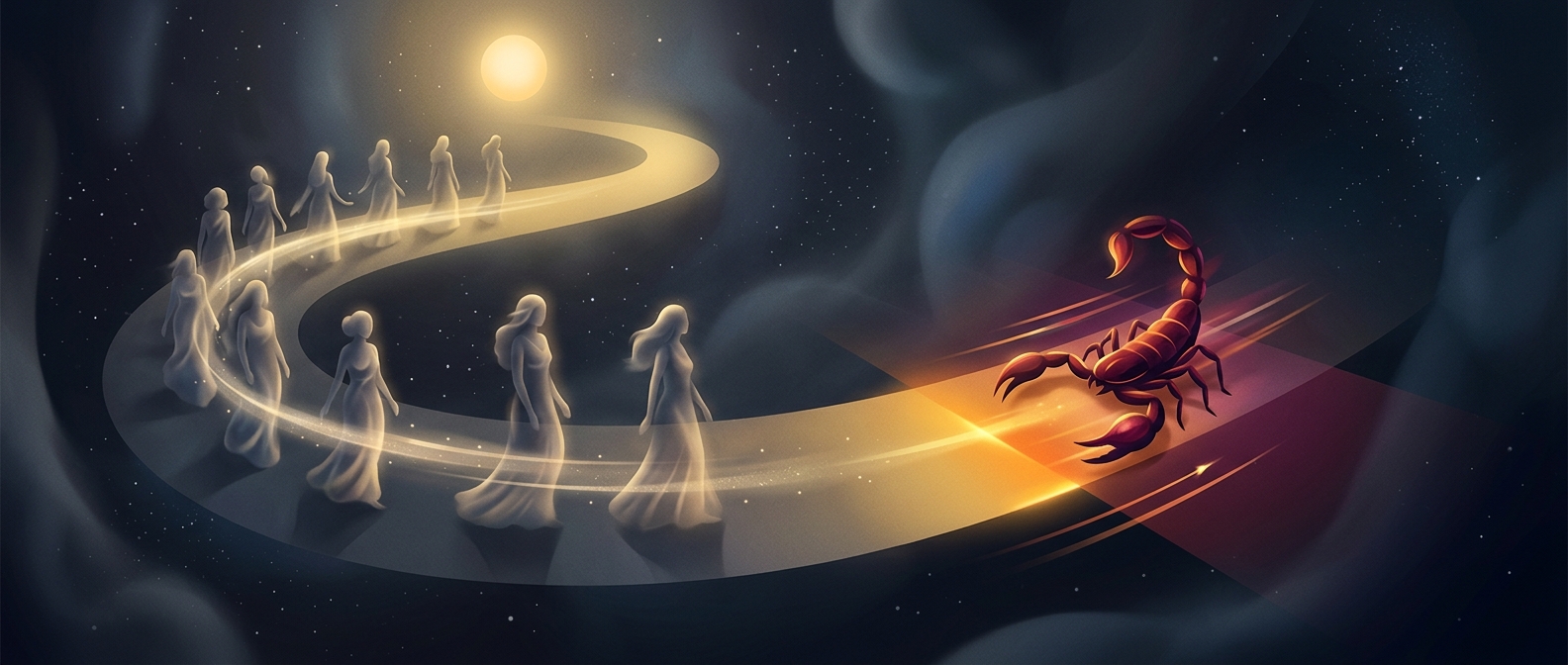
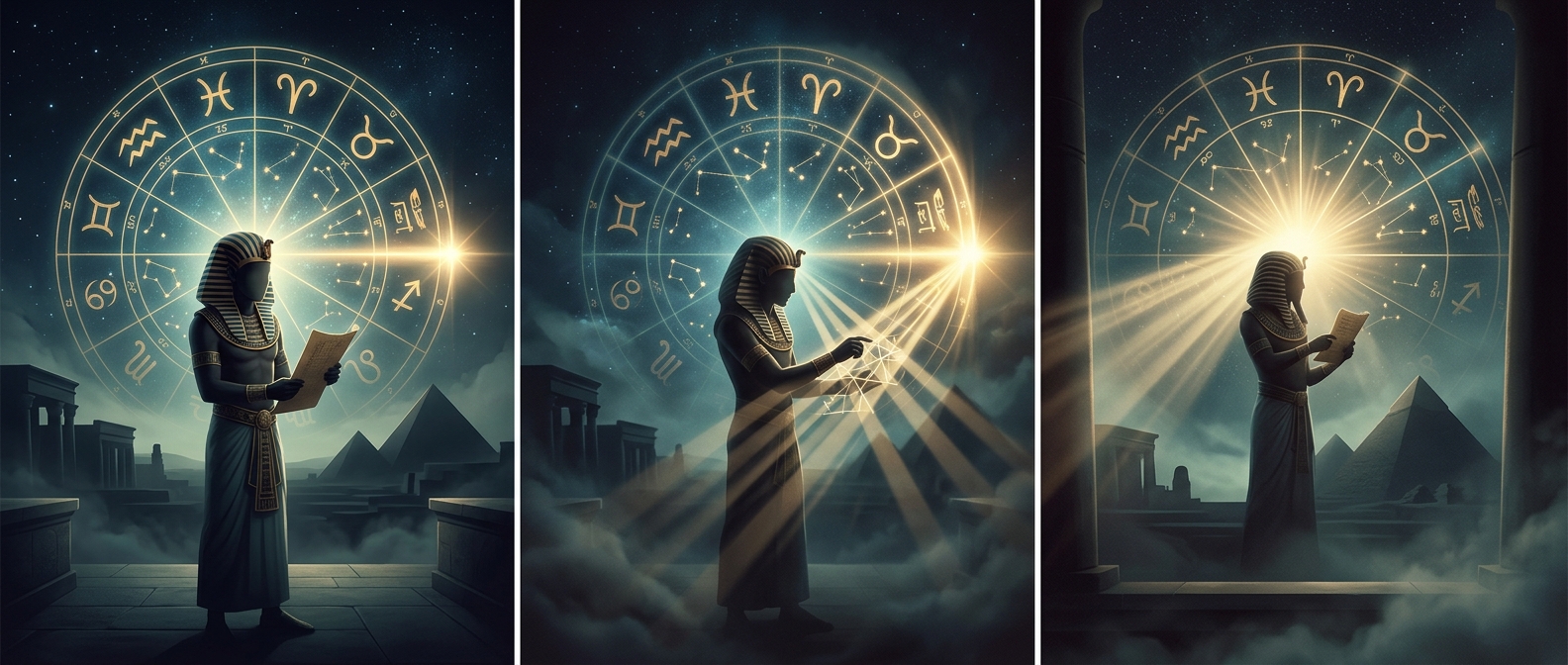
The word decan comes from a system of 36 star groups used in ancient Egypt to mark successive ten-day periods. As Egyptian and Greek astrological traditions mixed, decans became a way to divide each of the 12 zodiac signs into three equal parts. Since a sign spans 30 degrees, each decan covers 10 degrees.
The old calendar function and the later astrological use are related, but not identical: a modern horoscope’s decan is defined by a planet’s position within a zodiac sign, not by which star group is rising to mark a date.
A second layer of interpretation
Astrologers assign each decan a planetary ruler, adding another symbolic influence to the sign. In one widely used scheme, the rulers follow the traditional sequence of seven visible planets—Saturn, Jupiter, Mars, the Sun, Venus, Mercury, and the Moon—repeating through the zodiac. Other traditions use different assignments, so a decan’s interpretation can depend on the system an astrologer follows.
In practice, this gives astrologers a finer distinction between people born under the same sign: two people may share a Sun sign but fall in different decans, which astrologers interpret as a difference in emphasis. The added detail is symbolic, not a separate astronomical force; it is a way to make a broad sign description more specific within astrology’s own framework.