Why the Sun lingers in Virgo but rushes through Scorpius
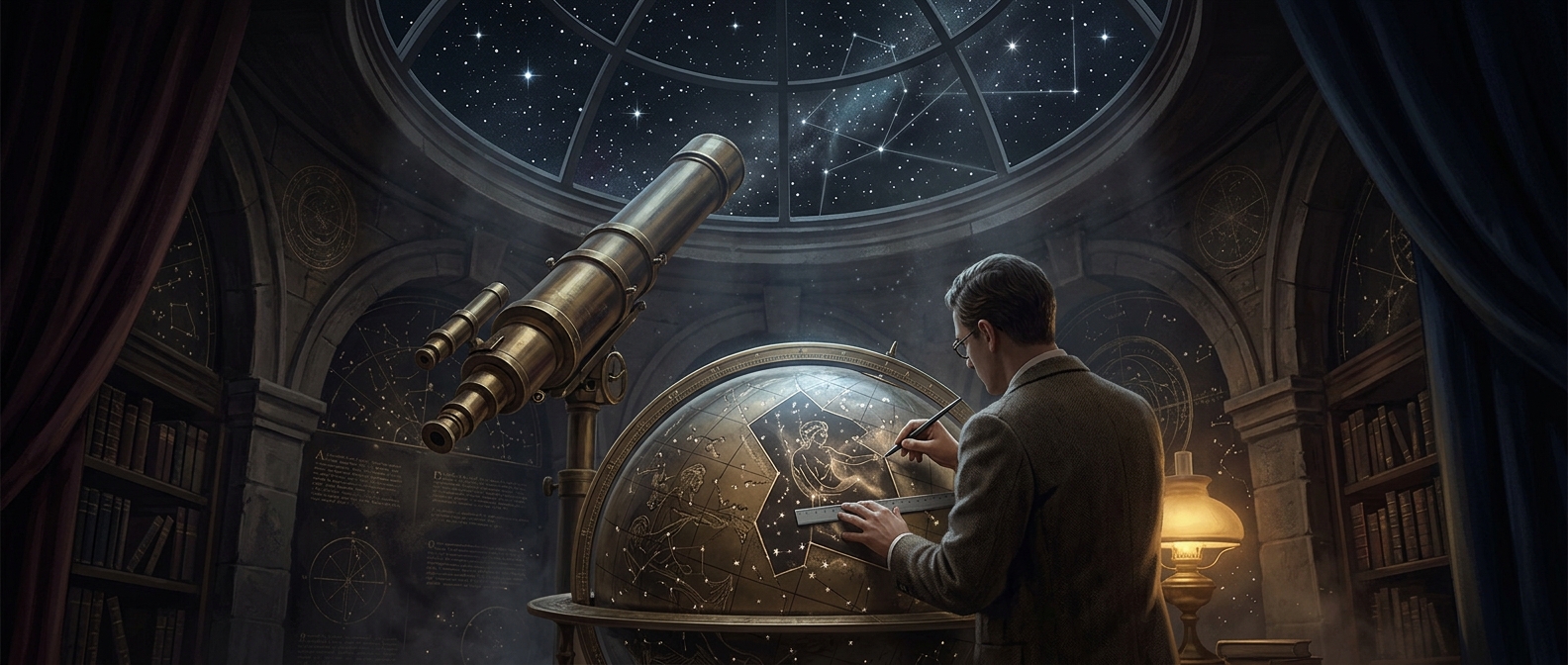
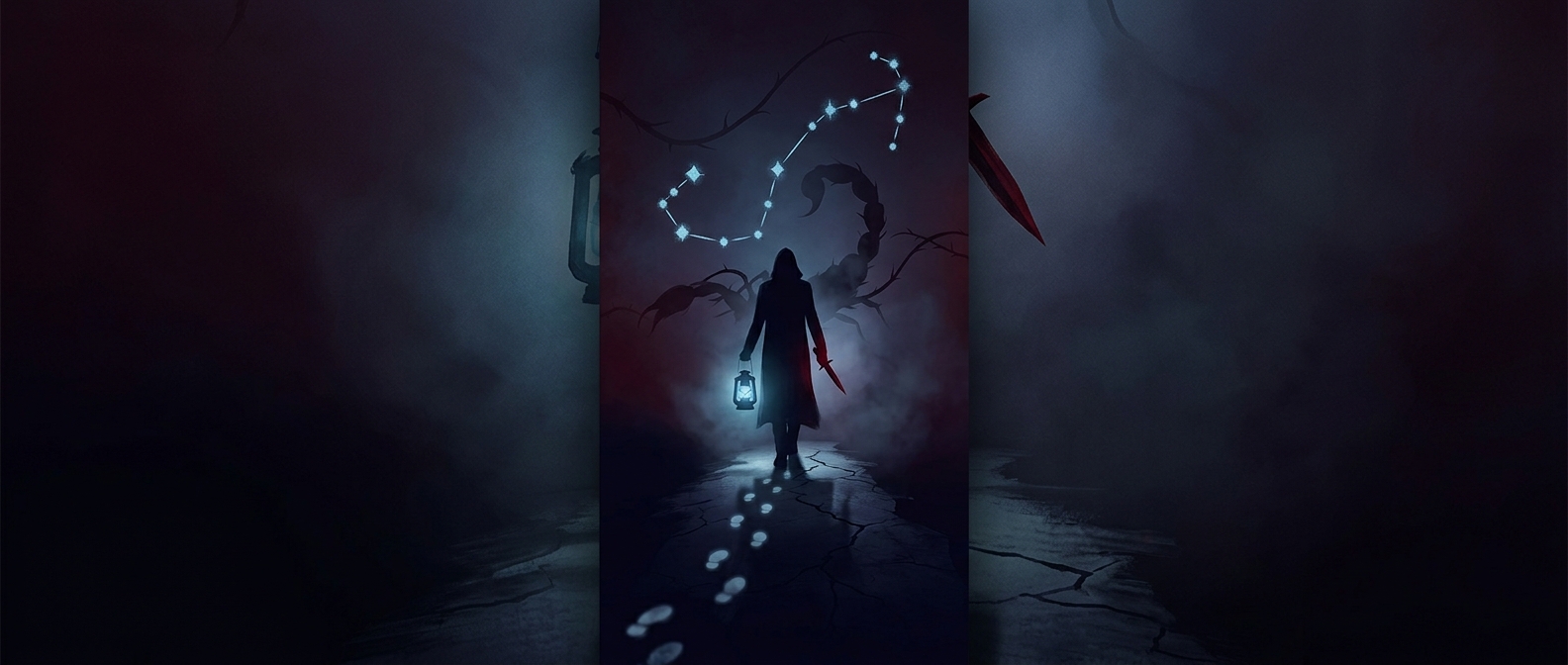
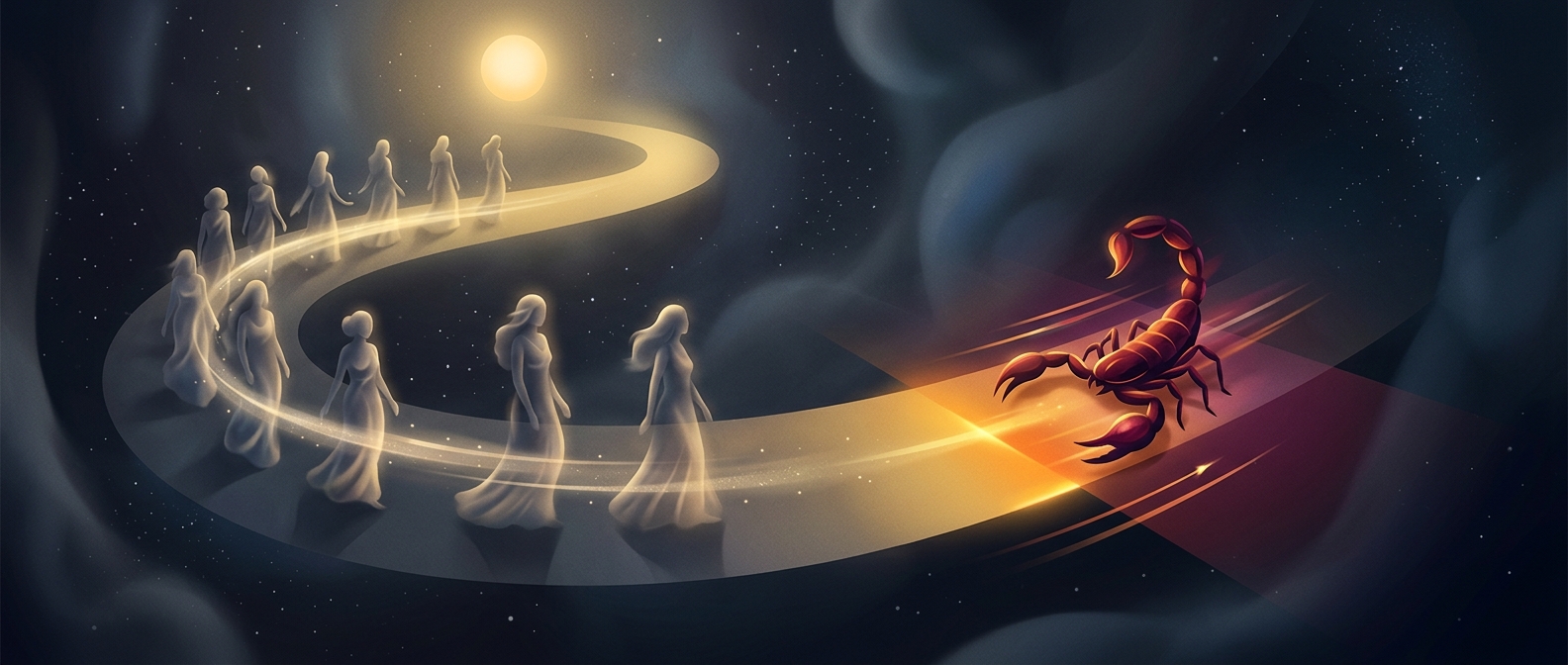
The difference comes down to two maps of the sky that use different kinds of boundaries. In astronomy, a constellation is a mapped region with an irregular outline. The Sun appears to move along a narrow annual track called the ecliptic, and the time it spends in a constellation depends on how wide that region is where the ecliptic crosses it. Virgo spans a long stretch of the track; Scorpius spans a short one.
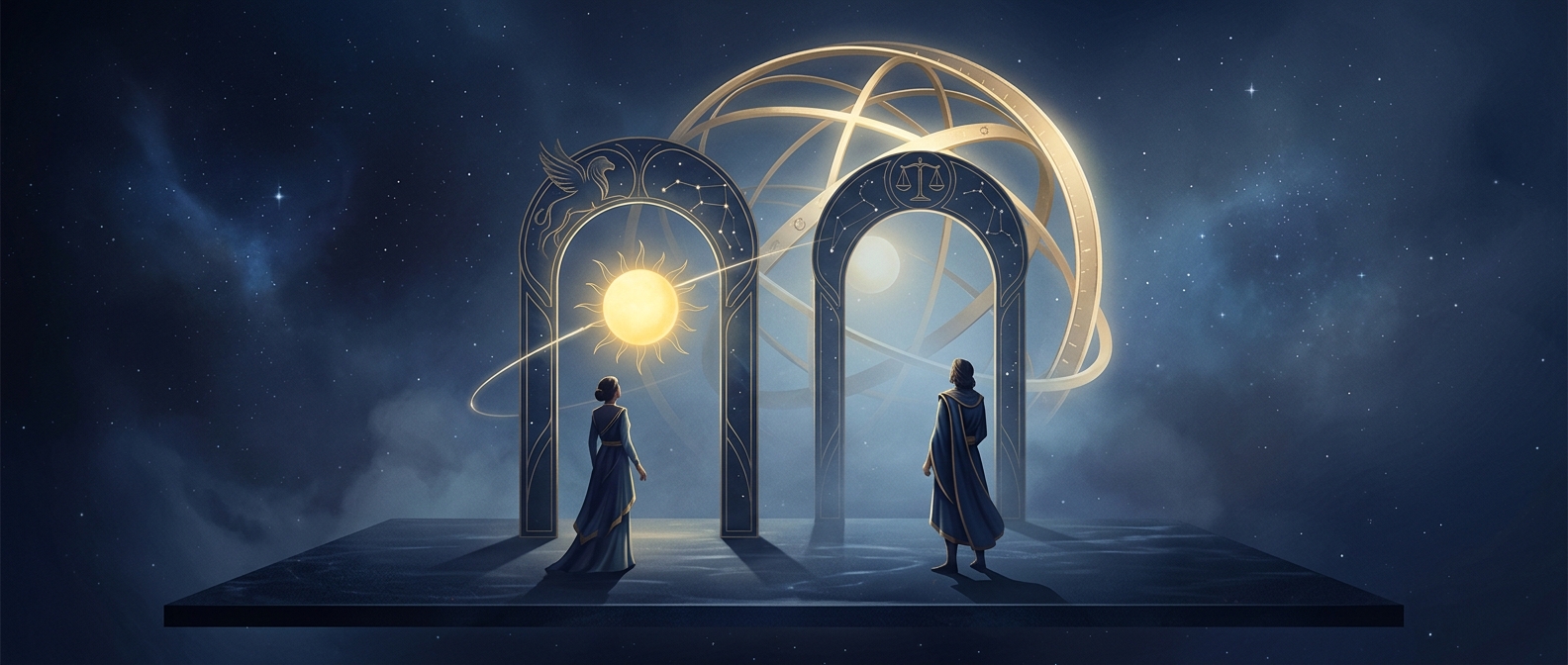
The Sun is not physically traveling from one star group to another. Its apparent movement is caused by Earth orbiting the Sun: as our viewing direction changes over the year, the Sun seems to shift against the distant background stars.
Astrology divides the track evenly
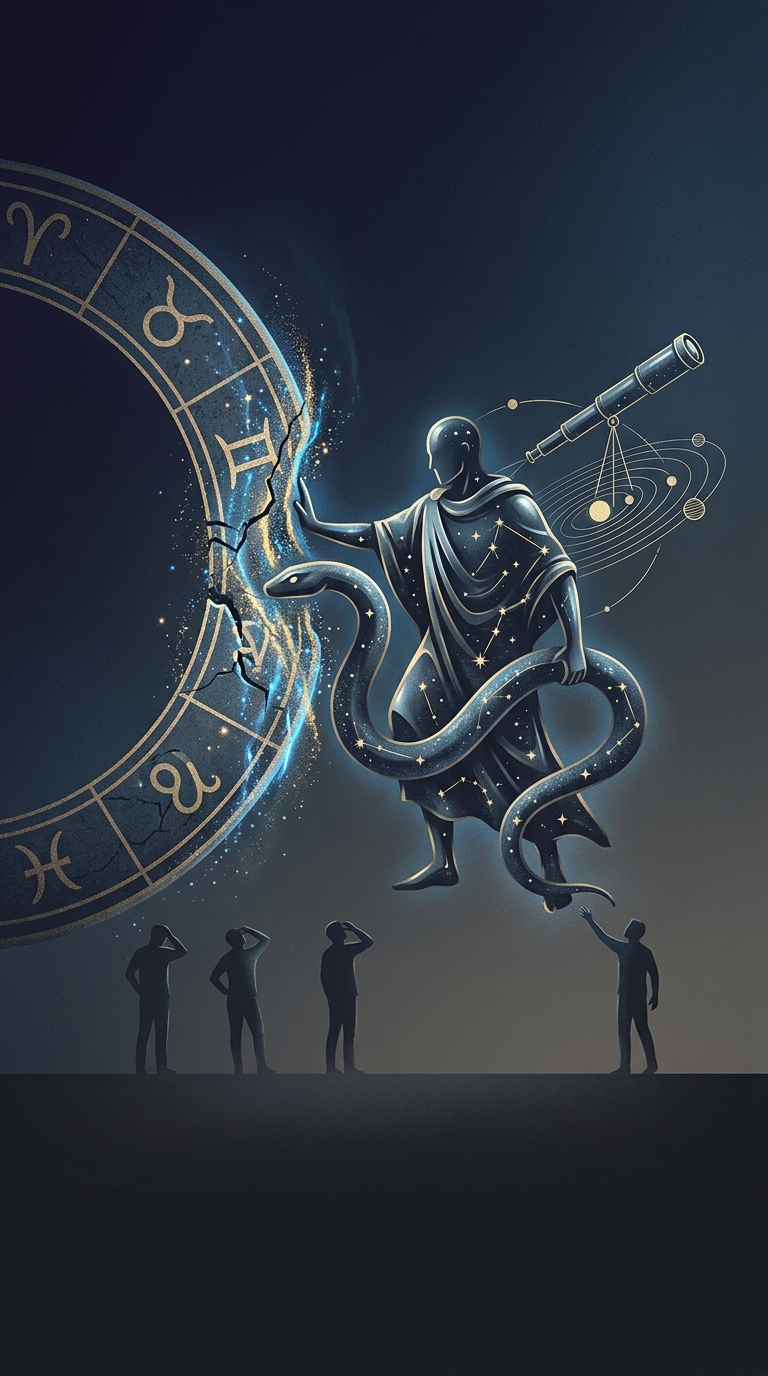
Astrological signs use a different scheme. The zodiac is divided into 12 equal sections of 30 degrees along the ecliptic, so each sign gets the same share of the circle. In the commonly used tropical zodiac, the divisions are anchored to the seasons, beginning with the March equinox; they are not drawn around the astronomical constellations.
That distinction explains the striking contrast. The Sun can spend weeks within the mapped region of Virgo but only about a week within Scorpius, while the astrological signs assigned those names remain equal in size. The two systems are answering different questions: one tracks the Sun against uneven regions of the star background, and the other slices its yearly path into equal symbolic segments.