Why Ophiuchus Sits Outside the Zodiac
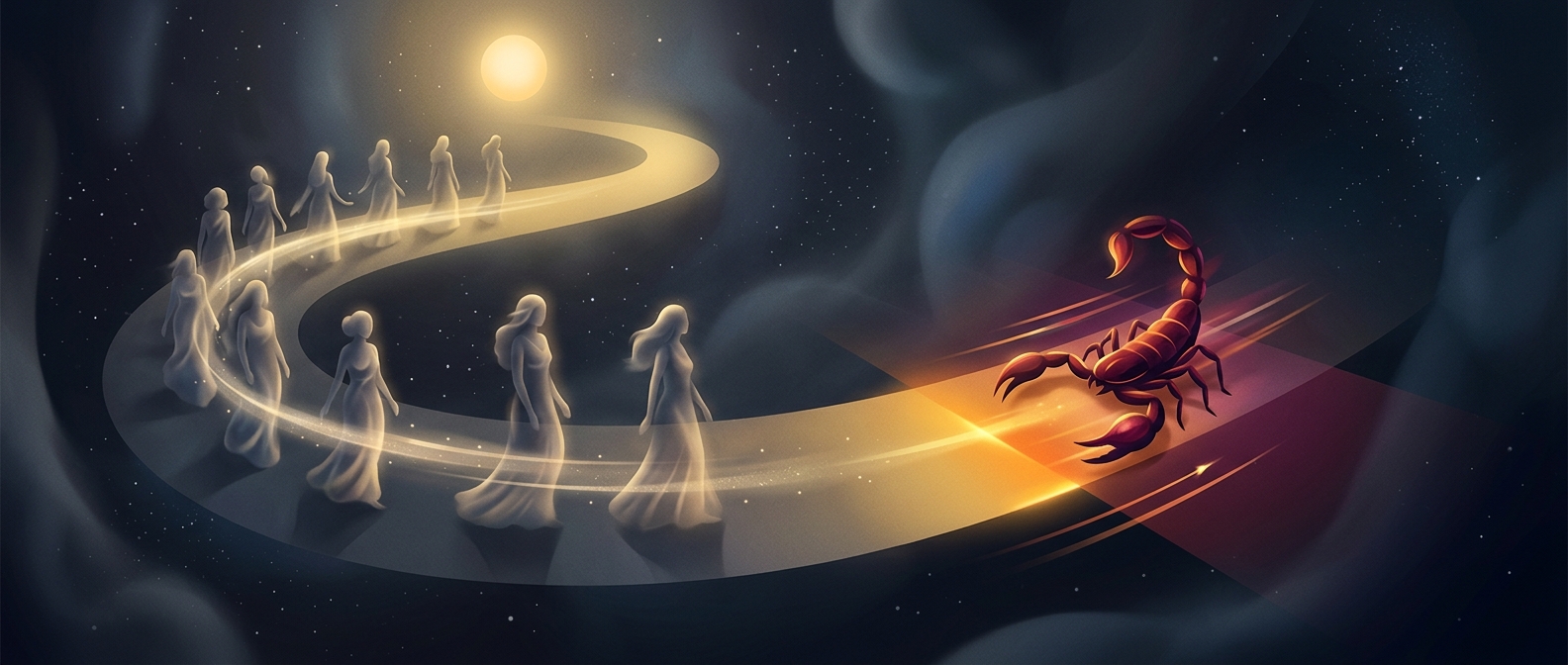
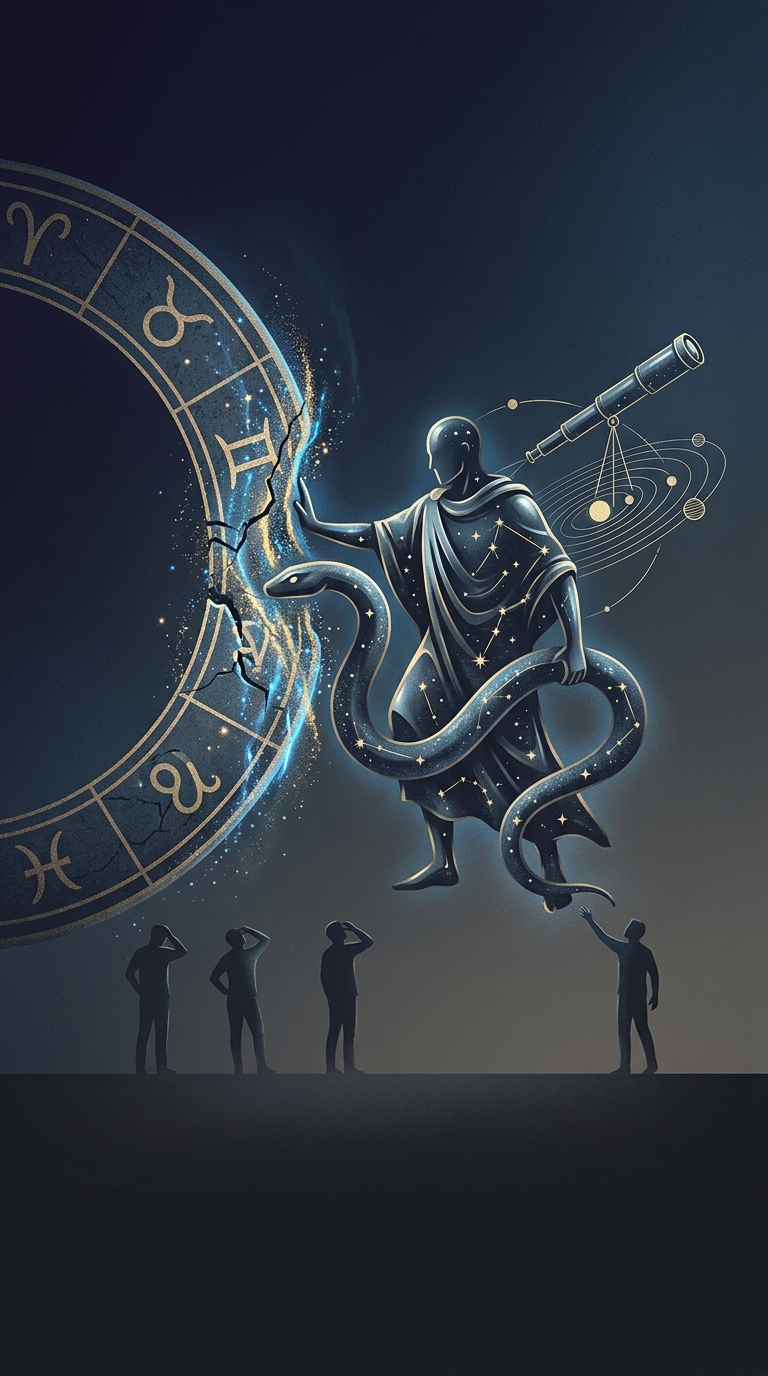
Ophiuchus is a real constellation, and the Sun appears to pass in front of it during part of the year. That does not mean it was once a missing thirteenth month—or that NASA added a new astrological sign. The confusion comes from treating constellations and zodiac signs as the same thing.
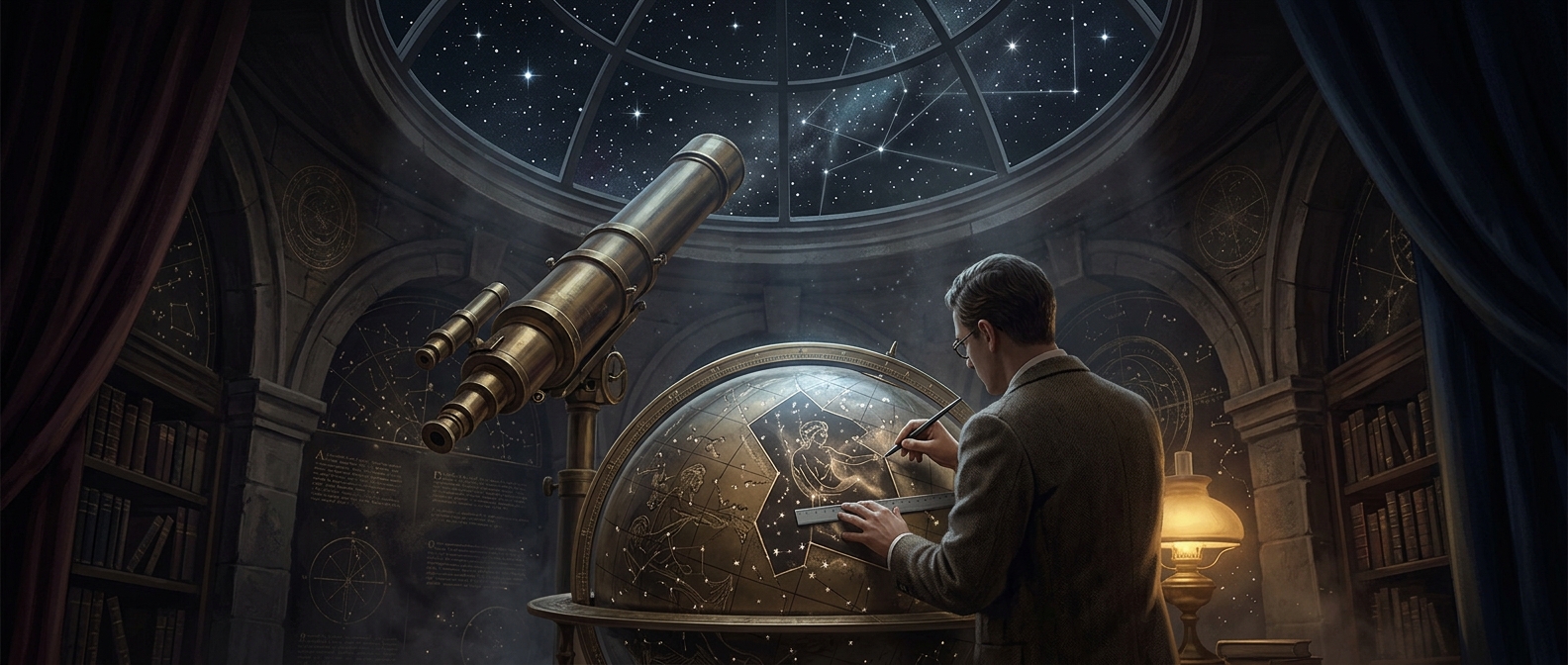
Constellations are named regions of the sky, and they vary greatly in size. The Sun’s apparent path crosses 13 of these regions, including Ophiuchus. The familiar astrological zodiac, however, divides the path into 12 equal sections. Those sections are signs, each assigned 30 degrees, rather than precise outlines of the constellations behind them.
A Calendar-Friendly Division
Babylonian sky-watchers developed a system that divided the Sun’s path into 12 parts, corresponding neatly to a year of 12 months. Ophiuchus was not included as a zodiac sign. This was a choice about how to organize the sky, not a claim that the constellation did not exist.
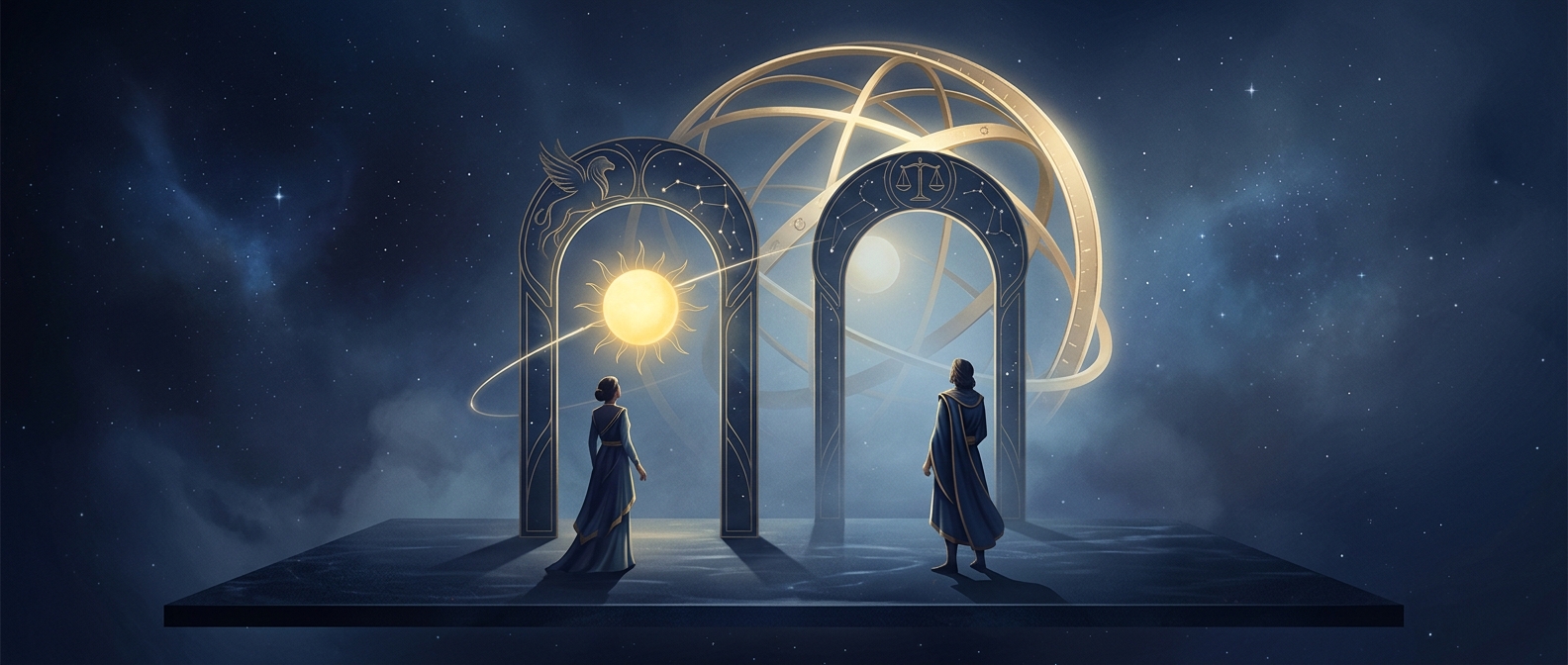
In Western astrology, the signs are tied to the seasonal cycle, beginning with Aries at the spring equinox. Over centuries, Earth’s slow wobble shifted the constellations’ positions relative to the seasons. So the constellation behind the Sun on a given date may not match the name of the astrological sign assigned to that date.
NASA studies astronomy—the physical objects and motions in space—not astrology. Its explanation of the distinction did not change anyone’s sign. Ophiuchus is still there in the sky; it simply belongs to a different map of the Sun’s path.