The myth behind Gemini’s two-sided image
Castor and Pollux were known in Greek myth as the Dioscuri, or “sons of Zeus,” though their parentage differed in many versions: Castor was mortal, while Pollux was divine. Their bond mattered more than that difference. When Castor died, Pollux chose to share his immortal life rather than remain apart from his twin.
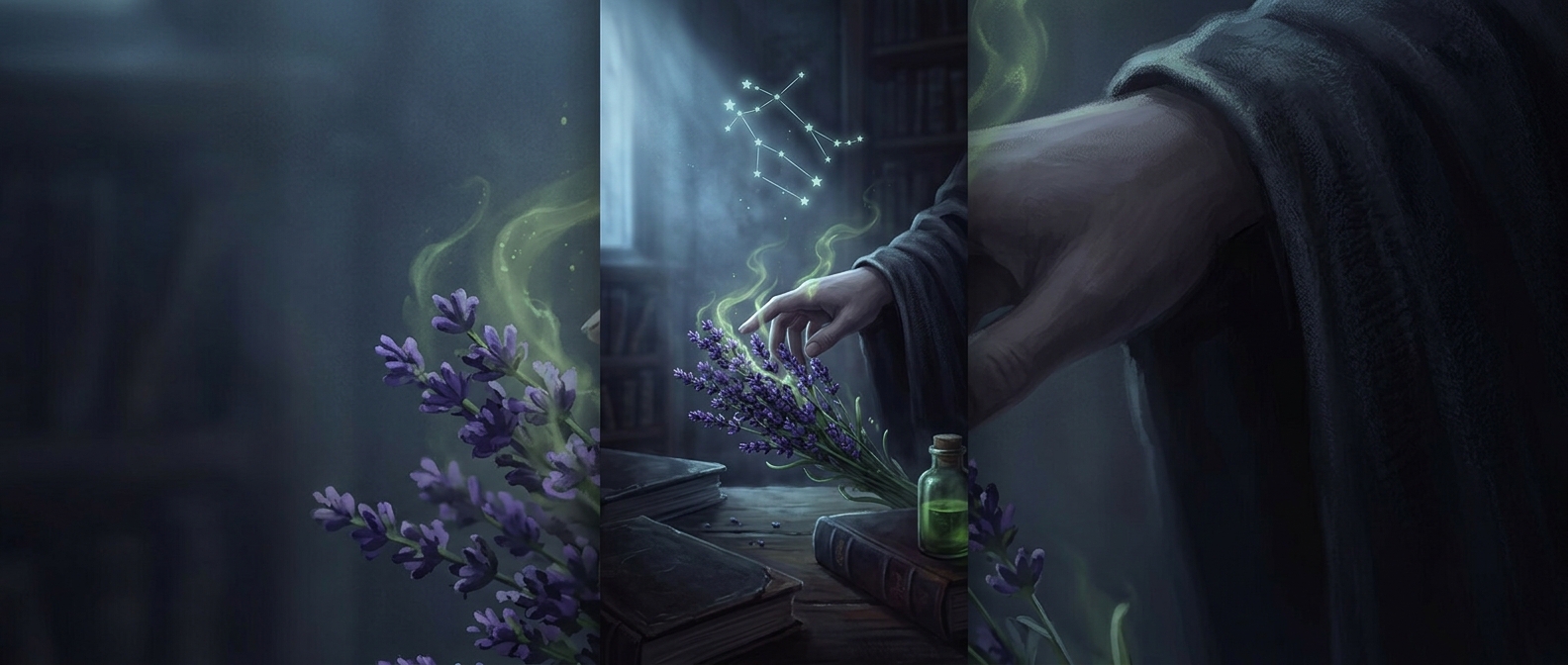
The brothers’ divided existence—partly in the world of the living and partly among the dead—gave later storytellers a vivid image of two states held together. In the sky, their names became attached to the two bright stars in the constellation Gemini, whose name means “twins.”
From twinship to a changeable temperament
Astrological tradition carried the twin motif into the zodiac sign Gemini. Its familiar association with contrasting moods or shifting interests is a symbolic interpretation of the twins’ paired nature: one sign, two figures, bound together but not identical. The myth supplies a story for that image, not a demonstrated cause of anyone’s temperament.
That distinction is part of the tale’s appeal. Castor and Pollux are not simply opposites; their difference creates the sacrifice at the center of the myth. Gemini’s symbolism turns that tension into a shorthand for changeability—two sides sharing one identity.