A whole city’s worth of settings in one park
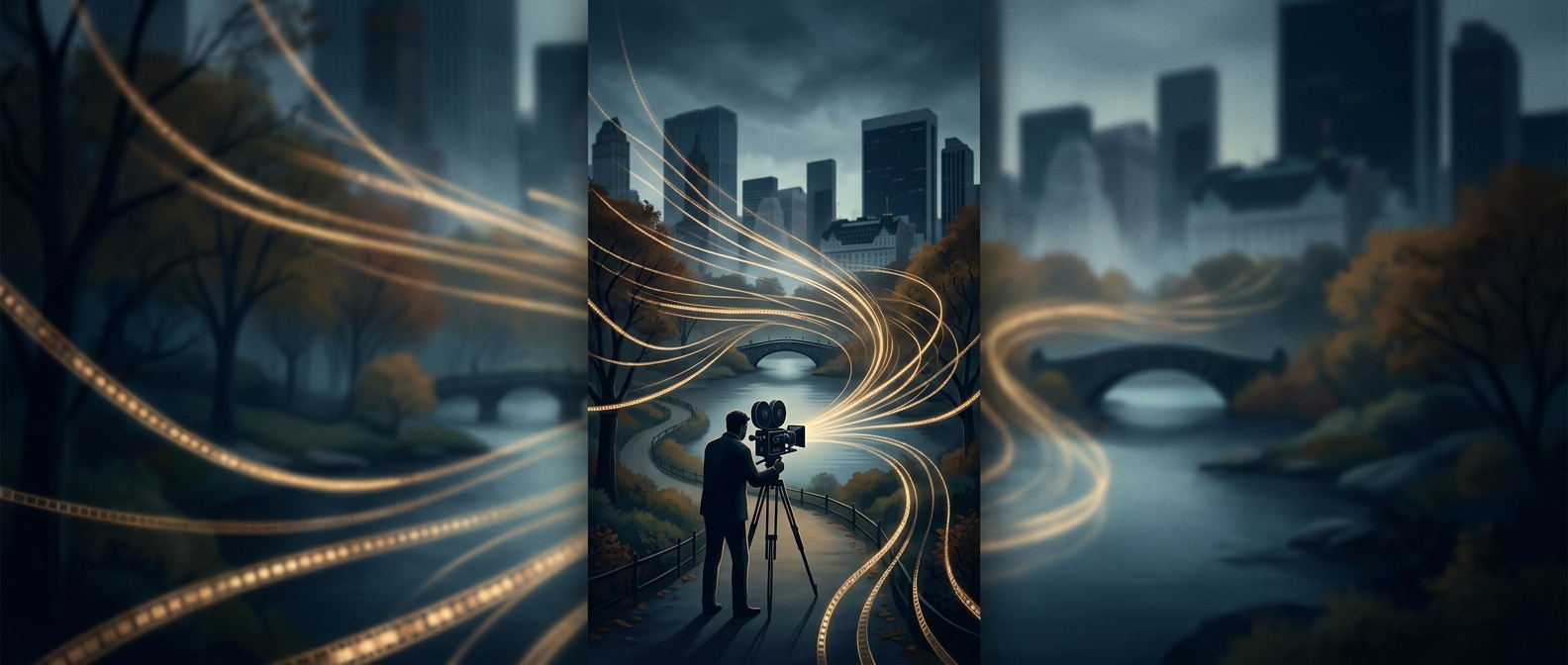
Central Park offers filmmakers more than a famous backdrop. Its paths, bridges, open lawns, wooded corners, and water give a scene very different textures without requiring a trip far from the city streets around it. A director can shift from a crowded urban edge to a quieter, more secluded-looking spot within the same large landscape.
That variety helps a production make a location serve several story needs. A walk-and-talk, a meeting on a bench, and a broad establishing shot can all feel distinct while remaining close enough to fit into a practical filming day. The park’s recognizable features also help viewers orient themselves: a bridge or stretch of skyline can make a scene feel specifically New York, while a tighter frame can keep attention on the characters.
Familiarity is part of the set
The park’s screen identity comes from repetition. Viewers have encountered its landscapes in many different stories, so a familiar path or vista can carry associations before a character says where they are. Filmmakers can use that recognition to establish place quickly, then make the scene feel fresh through weather, season, framing, or the people moving through it.
More than 500 credited movie appearances reflect that combination of visual range and instant recognition. Central Park can be both a real public landscape and a flexible piece of cinematic shorthand—a place where one familiar bridge may locate a scene, while the surrounding paths and lawns let the story keep moving.