Why changing a road’s side is harder than changing a flag
A country’s traffic side is not just a rule painted onto the road. It shapes how vehicles are built and used: in left-driving countries, cars commonly place the driver’s seat on the right, giving the driver a clearer view of oncoming traffic while overtaking. Road signs, junction layouts, bus doors, driving lessons, and traffic laws are organized around the same convention.
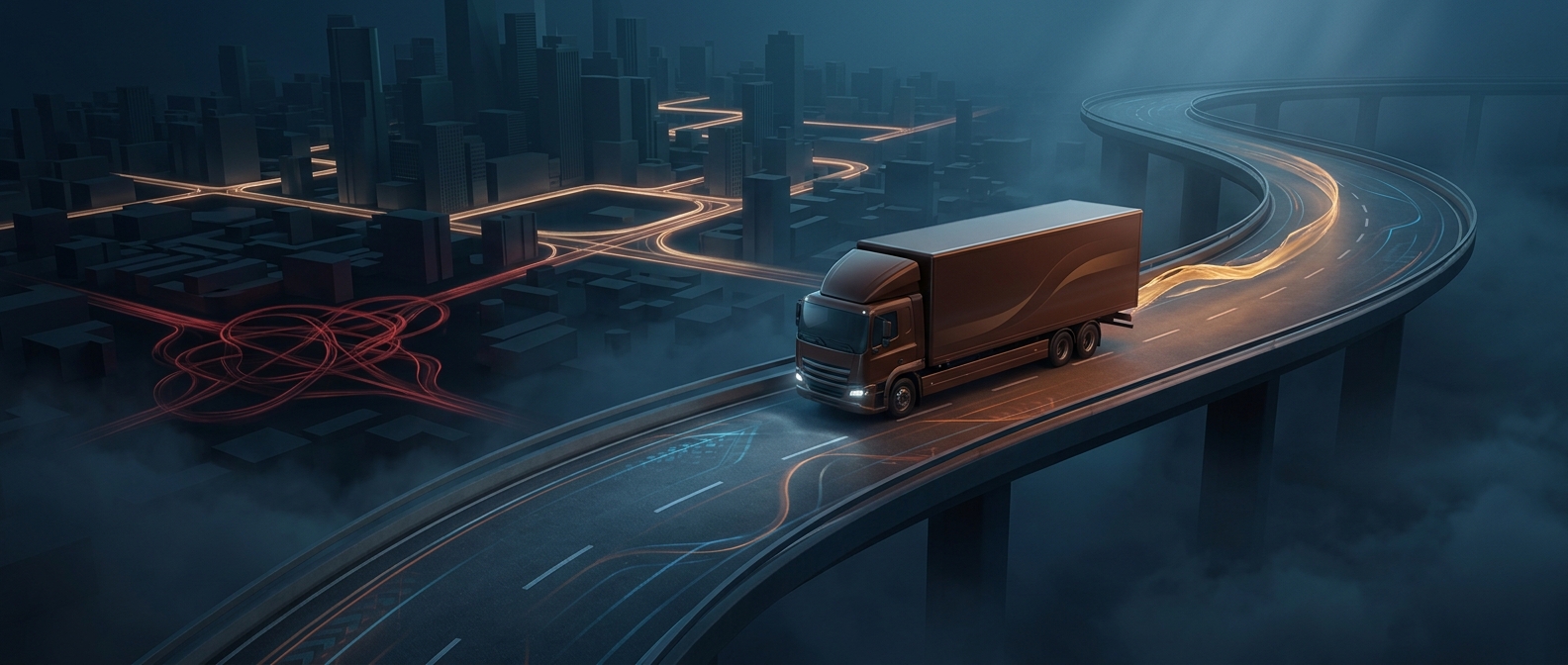
That makes the inherited rule self-reinforcing. A driver crossing a border may need to adjust, but inside the country, people, vehicles, and infrastructure all expect traffic to keep to one side. Reversing the rule would require more than moving a sign: it would mean retraining drivers, adapting vehicles and public transport, and managing a dangerous transition period while everyone learns the new pattern.
Independence did not erase the road system
After independence, governments could choose to switch, but the practical benefits were often unclear. Keeping the existing arrangement avoided a costly, disruptive overhaul—and preserved compatibility with neighboring places or trade routes that used the same side. British rule helped establish left-side traffic in many colonies, but the precise legacy differs by country; not every former colony kept it.
The older explanation for keeping left reaches back to travel on horseback. A rider who stayed on the left could keep the right hand—the sword hand for most people—free toward someone approaching. That account is commonly associated with the custom, though it should not be treated as the sole proven cause of every country’s traffic rule. Once roads became part of a modern transport system, the convention acquired a new force: changing sides meant changing the habits and equipment of an entire country at once.