Why afternoon rush hour can be the deadliest window
The surprising answer is the late-afternoon commute, not the middle of the night. That doesn’t mean every evening commute is unusually dangerous; it means several ordinary risks can pile up during the same busy hours.
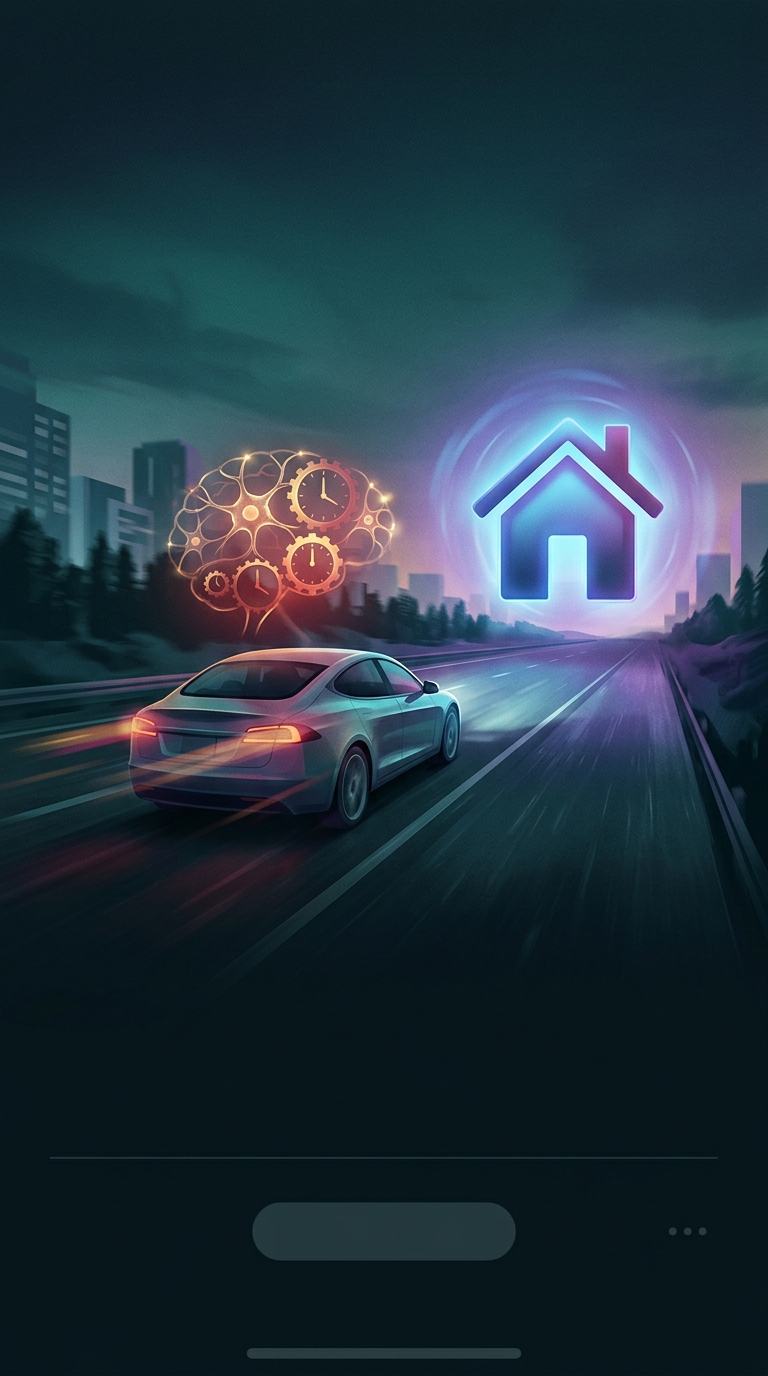
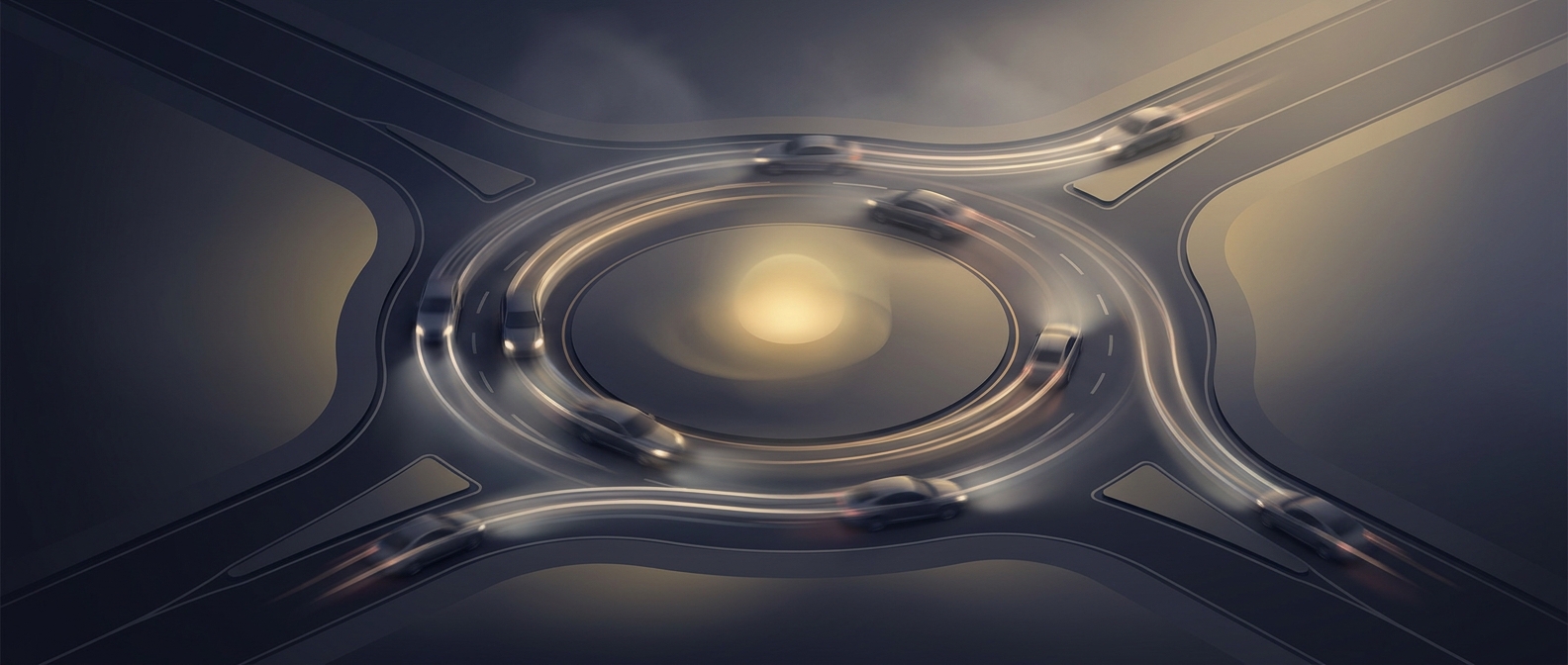
More cars are on the road as people leave work, collect children, and run errands. More traffic creates more chances for a collision, while stop-and-go driving, lane changes, and hurried decisions give drivers less room to respond. By late afternoon, some people are also tired or distracted after a long day. A crash that might have been avoided with a little more attention or stopping distance can become severe when traffic is dense or speeds remain high.
Risk is about exposure as well as behavior
Late-night driving has its own serious dangers, including impaired driving and reduced visibility. But the number of fatal crashes at any particular time reflects not just how risky each trip is, but how many trips are happening—and the conditions those drivers encounter. A crowded commute can produce many opportunities for a dangerous mistake, even if the typical driver is sober and traveling a familiar route.
That is why “watch out for drunk drivers after midnight” is not a complete safety strategy. The routine drive home deserves attention too: leave space, avoid looking at a phone, and resist rushing through a changing signal. The most hazardous moment may arrive when the day feels ordinary and the road is simply full.