Why the last few minutes can feel deceptively easy
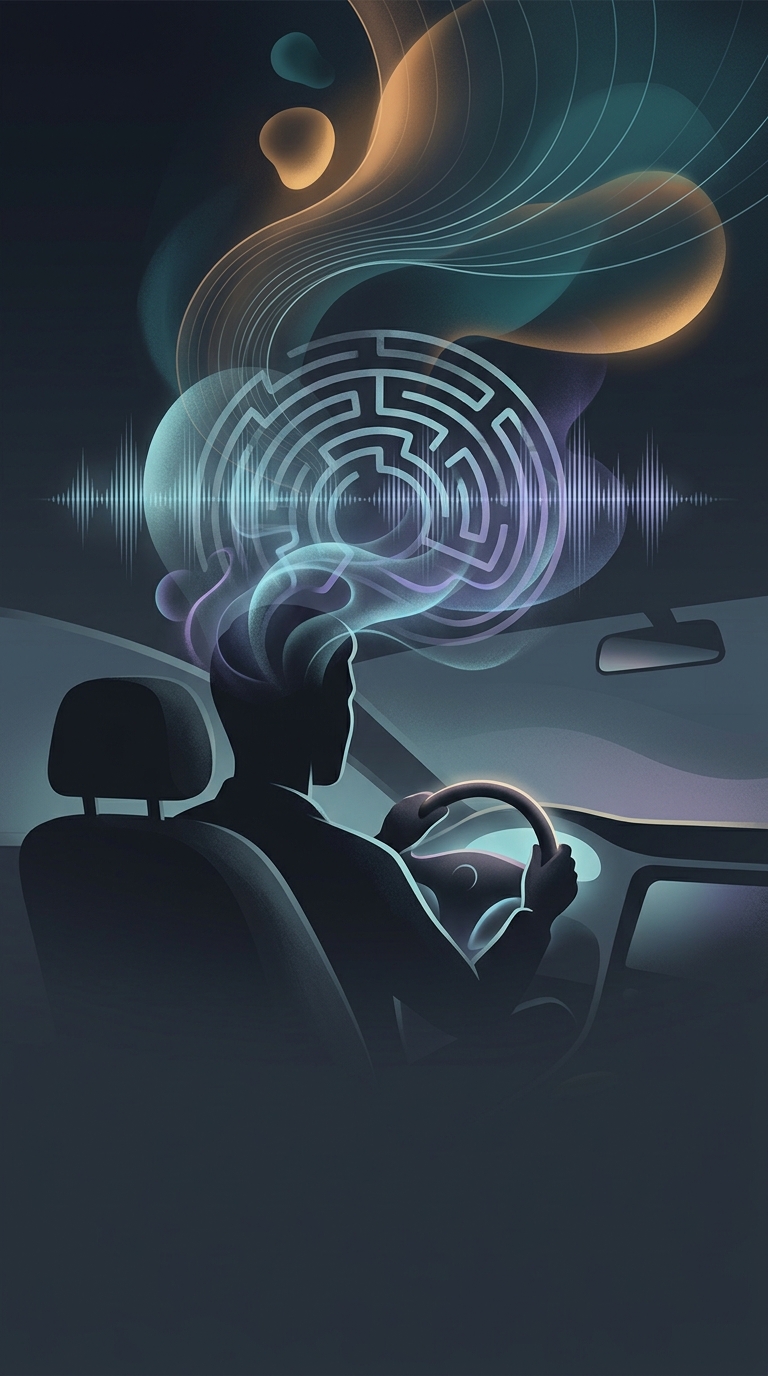
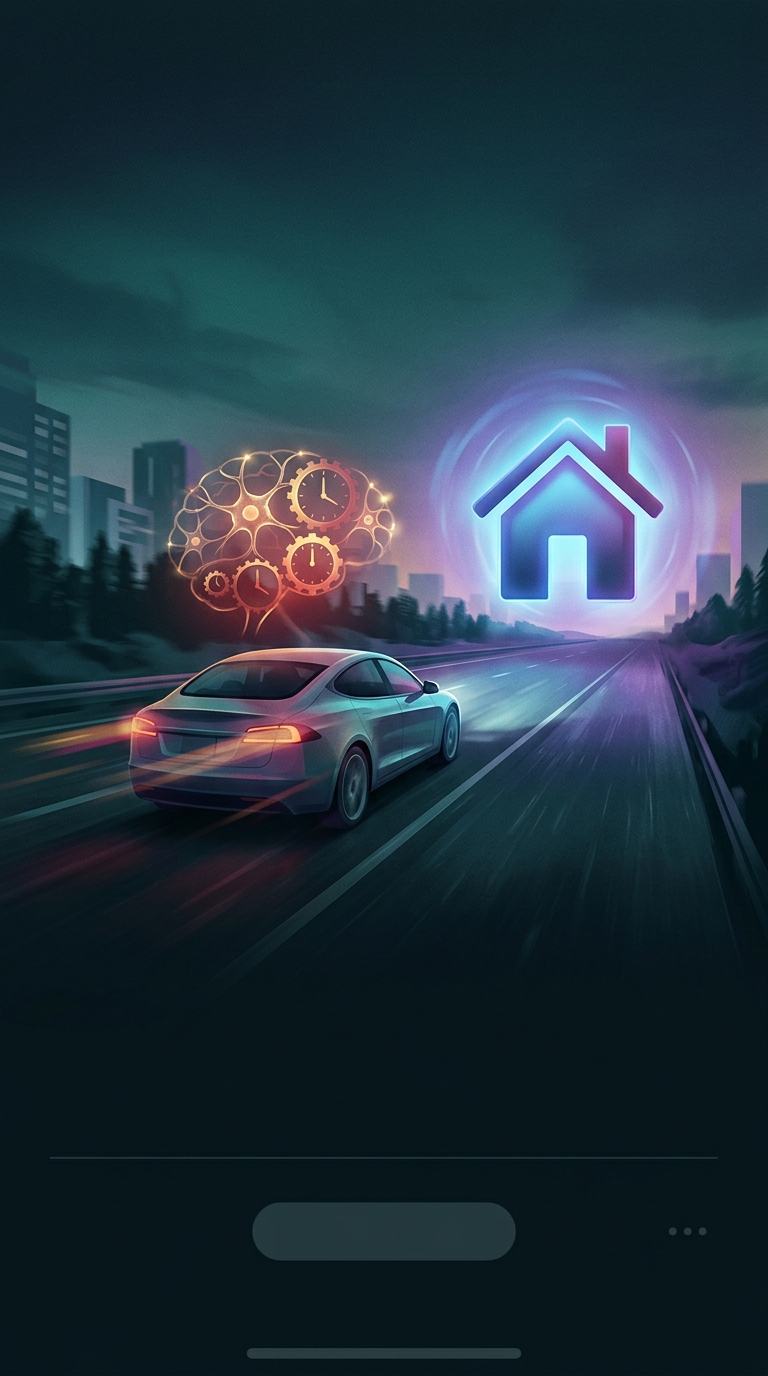
As home gets close, a driver may start treating the trip as practically finished. That shift matters: attention that was focused on navigating and monitoring traffic can drift toward thoughts of arriving—what to do next, who is waiting, or simply the comfort of being home. The car is still moving through the same hazards, but the driver’s sense of the task may have changed.
Familiar streets can add to the effect. When a route seems predictable, drivers may rely more on habit and scan less actively for a pedestrian, a car backing out, or a sudden stop. Familiarity can make a trip feel easier without making its risks disappear.
The danger of mentally arriving early
A small increase in speed also leaves less time to notice and respond to trouble. The key risk is not that every driver will speed near home, but that a feeling of being nearly done can arrive before the journey actually is. A few ordinary turns and blocks still demand the same attention as the rest of the drive.
Treating the final stretch as part of the trip—not as a cooldown—helps keep attention where it belongs: on the road until the car is parked.