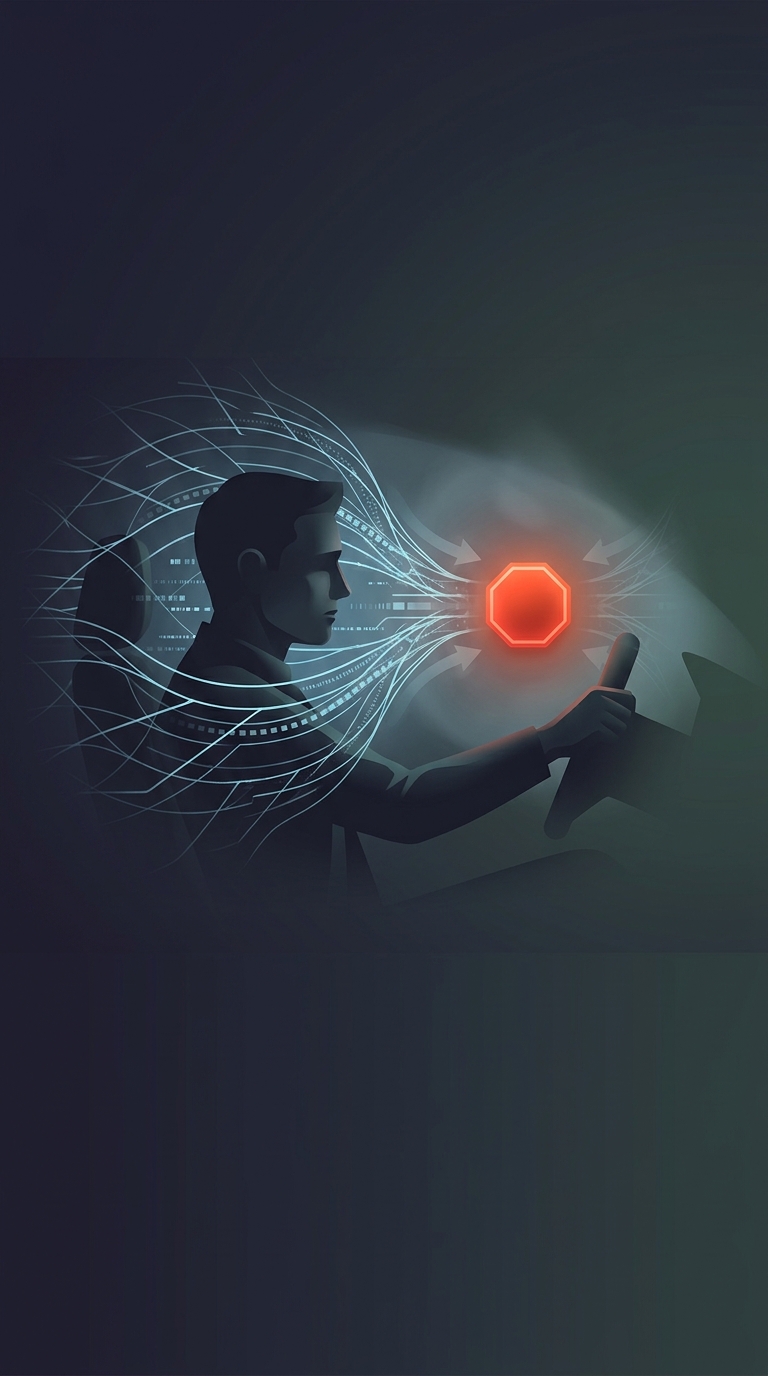
Why a driver can steer toward the danger
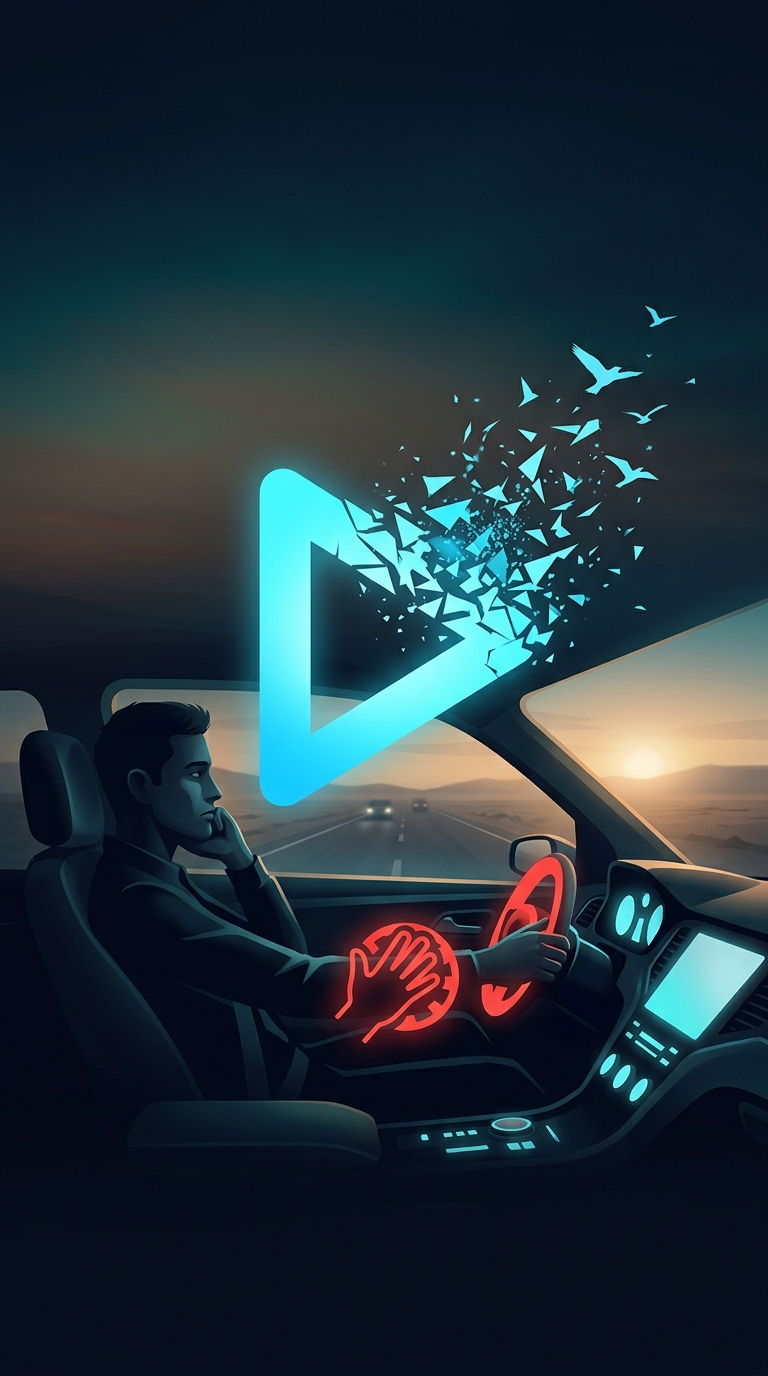
The phenomenon is often called target fixation: under stress, a driver’s attention locks onto an obstacle, and their hands may guide the vehicle toward the very thing they are trying to miss. It is not a mysterious reflex or a guaranteed outcome. It is a failure of attention and steering control at a moment when both need to work together.
Driving depends on looking ahead, choosing a path, and making small corrections. When a threat suddenly appears, it can dominate vision. The driver may keep staring at it instead of looking toward the open space that offers a way around. Because steering movements are guided in part by where a person looks, that narrowed focus can pull the vehicle’s path toward the hazard.
How attention becomes a steering problem
A driver who sees a fallen branch, a stopped car, or a roadside barrier has very little time to interpret the scene. Fear and urgency can make it harder to scan for an escape route or carry out a deliberate maneuver. If the obstacle remains the visual anchor, the driver may turn too late, too little, or in the wrong direction. At speed, even a brief delay can leave little room to recover.
The same pattern can affect motorcyclists and cyclists, whose balance and direction depend on continuous steering. It is especially risky on a bend or near a fixed object, where looking at the hazard can coincide with a path that naturally carries the vehicle toward it.
The useful alternative: look for the path
The practical counter is not to ignore danger, but to shift attention from the obstacle to the safe route around it. Drivers still need to judge the hazard and nearby traffic; then their eyes should lead toward the space they intend to use, while steering remains controlled rather than abrupt.
That distinction matters in an emergency: the place a driver stares at can influence where the vehicle goes. Spotting an escape path early gives attention and steering a better target than the object that started the scare.