Why a Traffic Queue Cannot Respond to a Horn
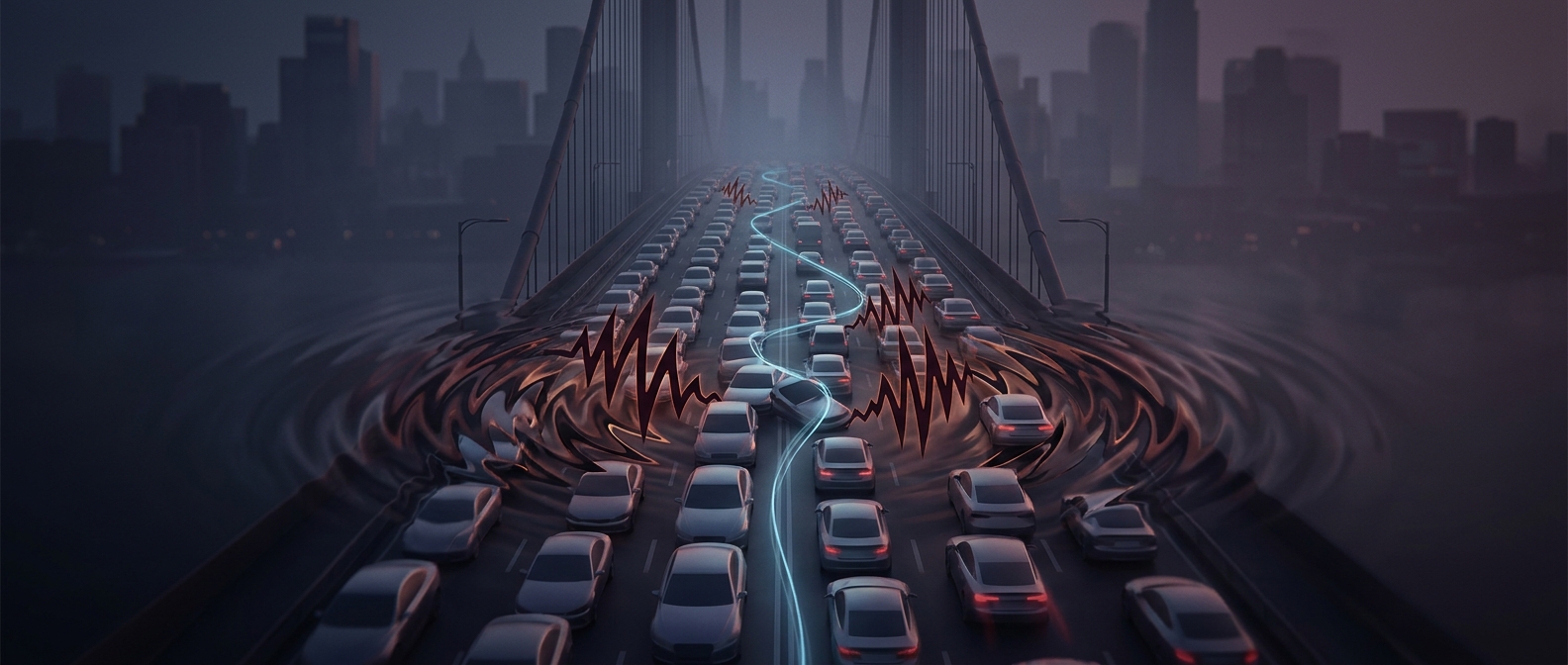
A line of cars moves only when there is room for the next car to go. At a blocked intersection, drivers may be unable to enter without stopping across the crossing or trapping vehicles from the other direction. If the road beyond the intersection is full, the queue has nowhere to drain, so even a driver at the front may have to wait.
Traffic engineers call this spillback: congestion at one point fills the road behind it, then can block upstream intersections too. The jam spreads not because every driver has made the same mistake, but because each filled section of road removes space the next section needs to clear.
What a Horn Can—and Cannot—Change
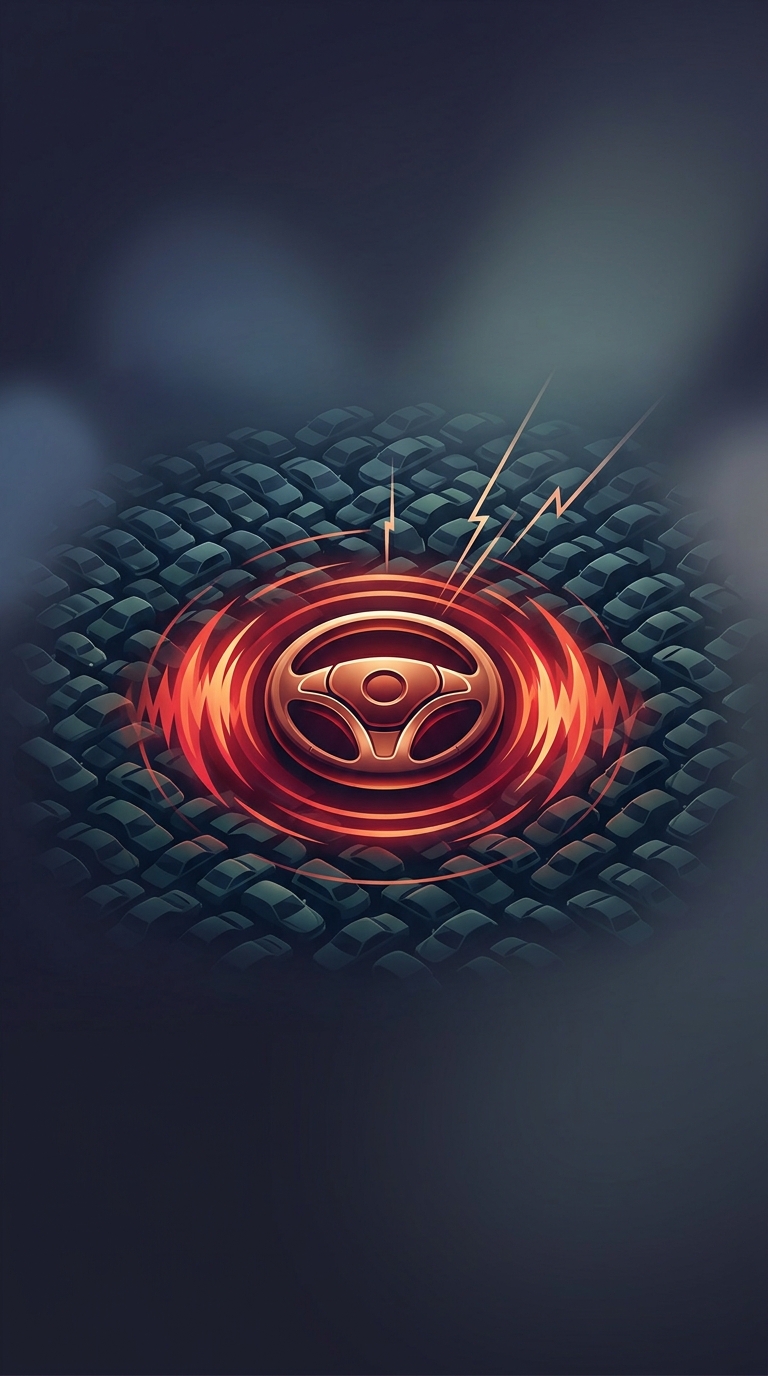
A horn is a signal to another driver, not a way to increase road capacity. It may alert someone who has not noticed that traffic is moving, but it cannot make a car beyond the visible queue move, clear a blocked crossing, or create a gap in a full lane. If the front of the line has no safe opening, the drivers behind it have no useful action to react to.
That is why repeated honking often changes the atmosphere without changing the traffic. The effective change has to happen at the bottleneck: vehicles must move far enough downstream to leave space, or traffic entering the blocked area must pause. Until then, the queue is constrained by missing space, not missing urgency.