How a small hesitation becomes a stop
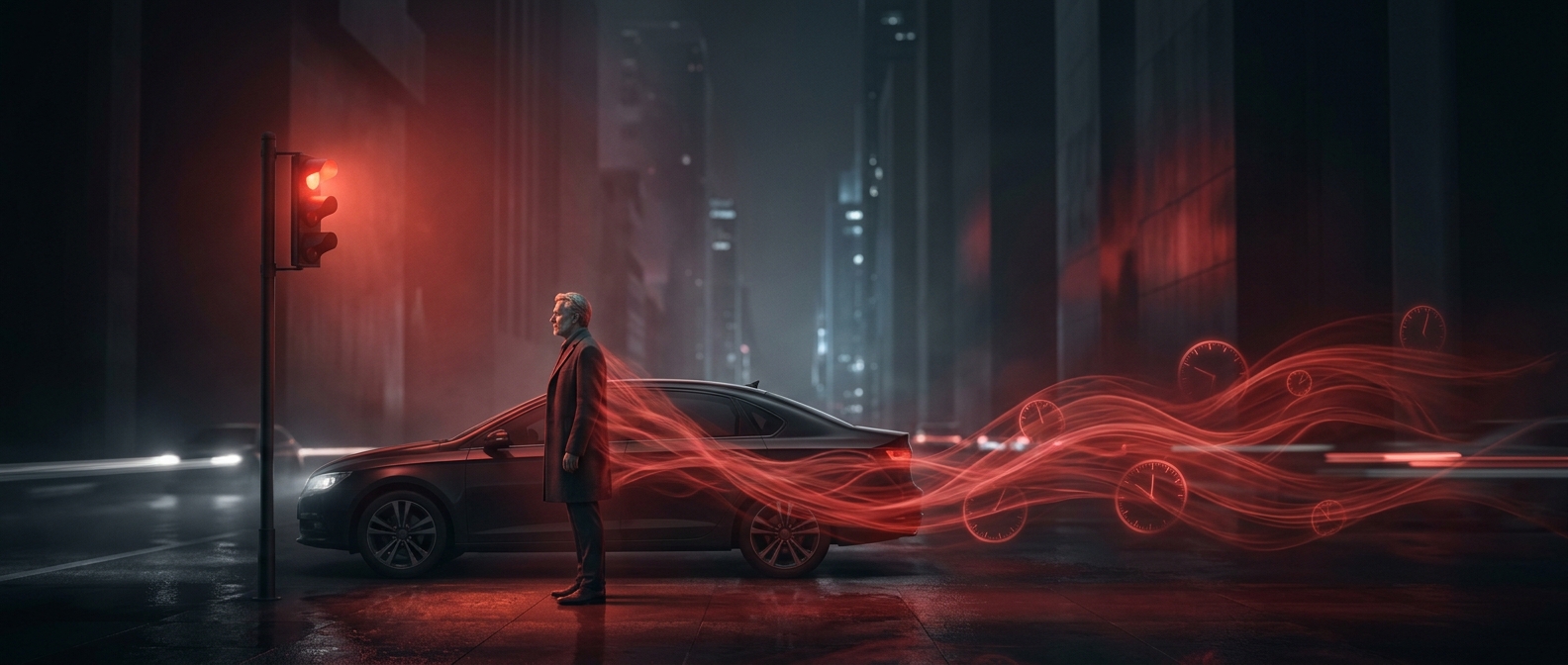
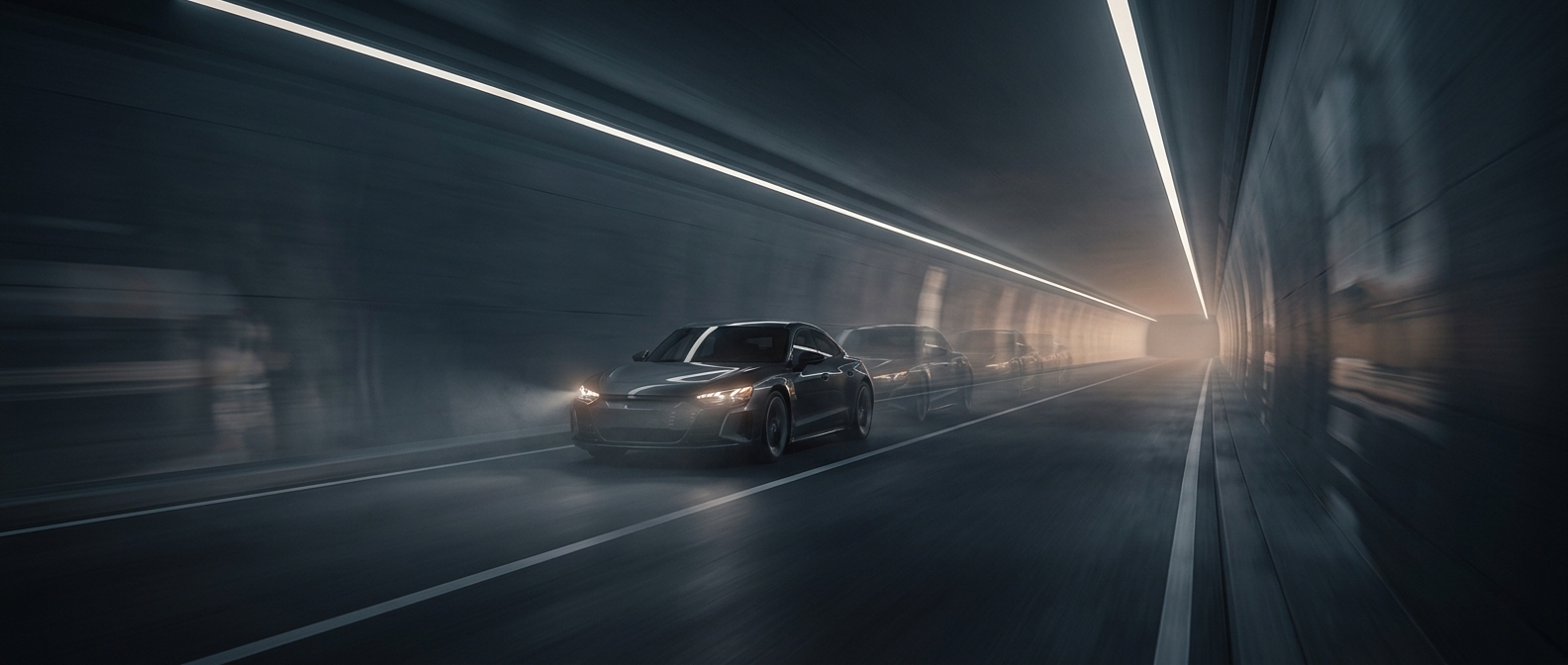
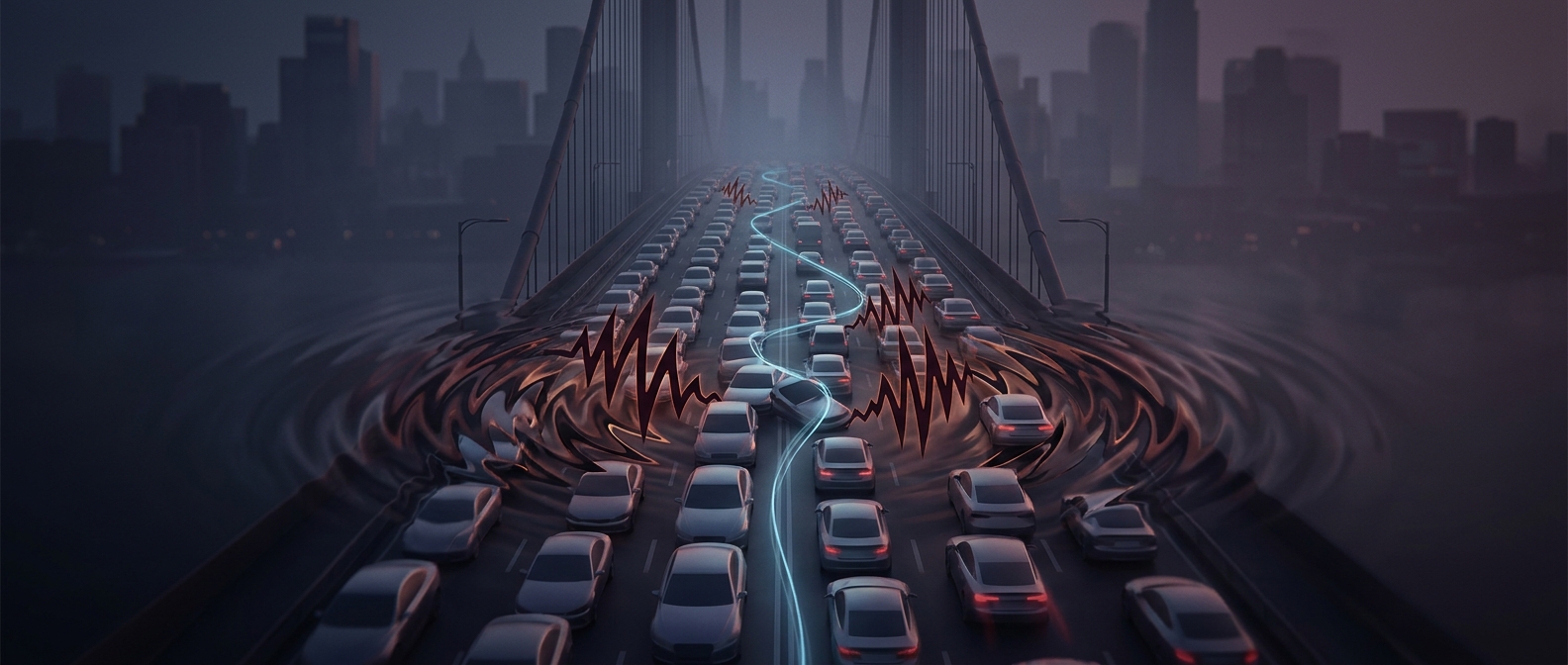
Traffic can slow even when no car is physically blocking the lane. When one driver brakes, the vehicle behind has to respond a moment later. Each following driver may brake a little harder to leave a safe gap, so a modest slowdown can grow as it travels backward through the line. Traffic engineers call this a stop-and-go wave: the slowdown moves against the direction of travel, even while cars farther ahead continue forward.
Why a horn can add to the wave
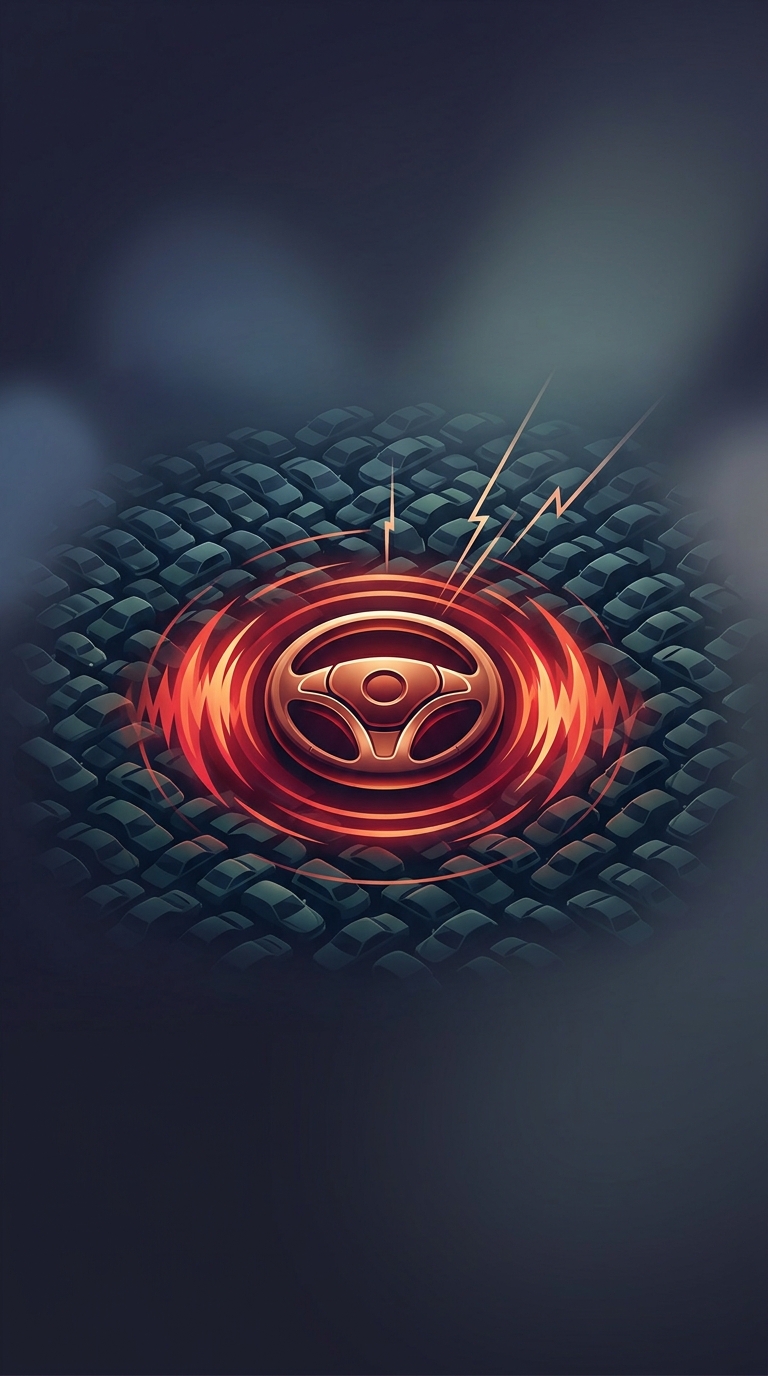
A horn is a sudden signal, not a way to clear space. A driver who hears it may look around, check mirrors, brake, or hesitate while deciding what is happening. The driver behind then reacts to that change. If several people respond sharply or at different times, their small adjustments can bunch cars together and keep the line from moving smoothly.
The horn does not automatically cause a jam, and a brief warning can help when someone is in immediate danger. The risk is that unnecessary honking adds urgency without telling other drivers what action is needed. In dense traffic, where cars have little room to absorb a sudden brake, that extra uncertainty can make a slowdown last longer.
The practical consequence
A jam often persists not because every car is stopped by the original obstacle, but because drivers keep passing the disturbance backward through the queue. Smooth, predictable driving gives the line a better chance to recover; an extra burst of noise can prompt another round of reactions instead.