How the Tree Makes the Infinite Thinkable
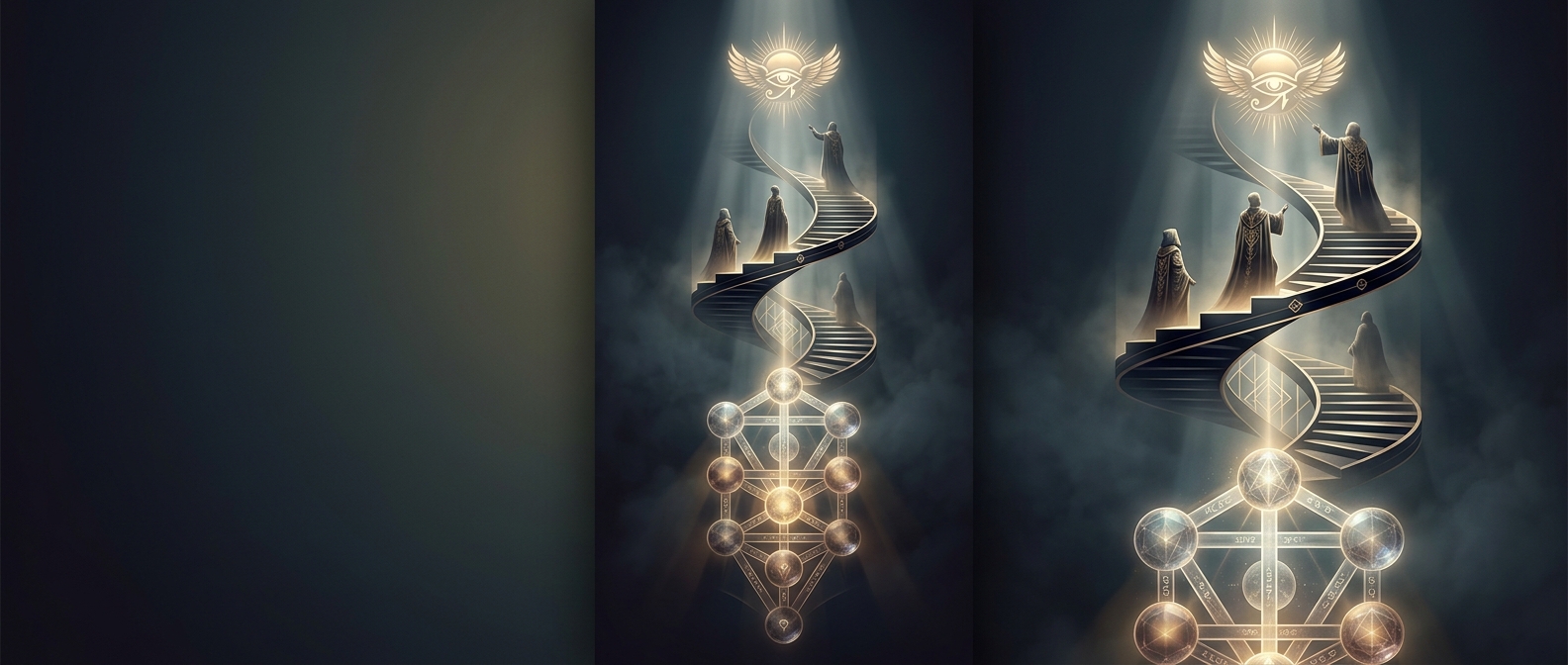
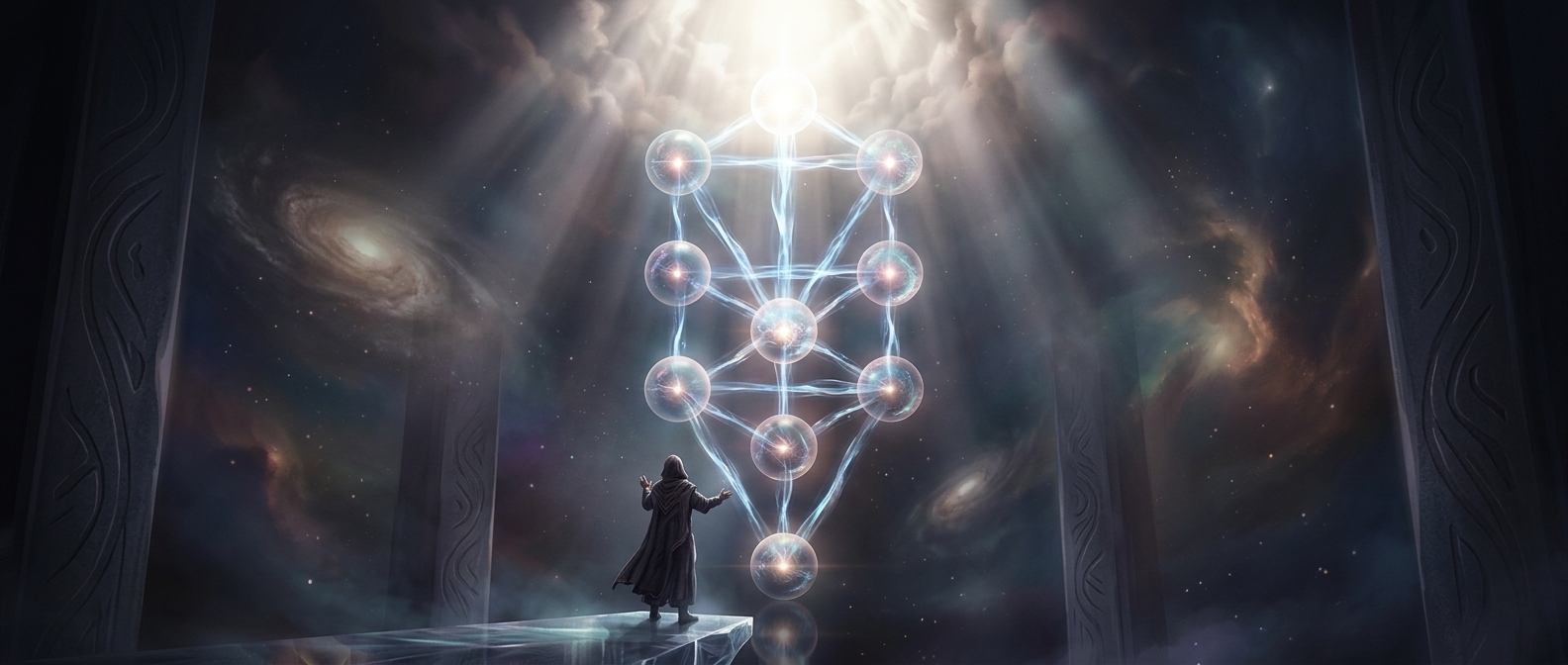
In Kabbalah, the Ein Sof—literally “without end”—is the boundless divine that cannot be described directly. The Tree of Life offers a way to think about how creation can arise from what has no limit: not as a physical machine or a timeline, but as a pattern of relationships between the divine and the created world.
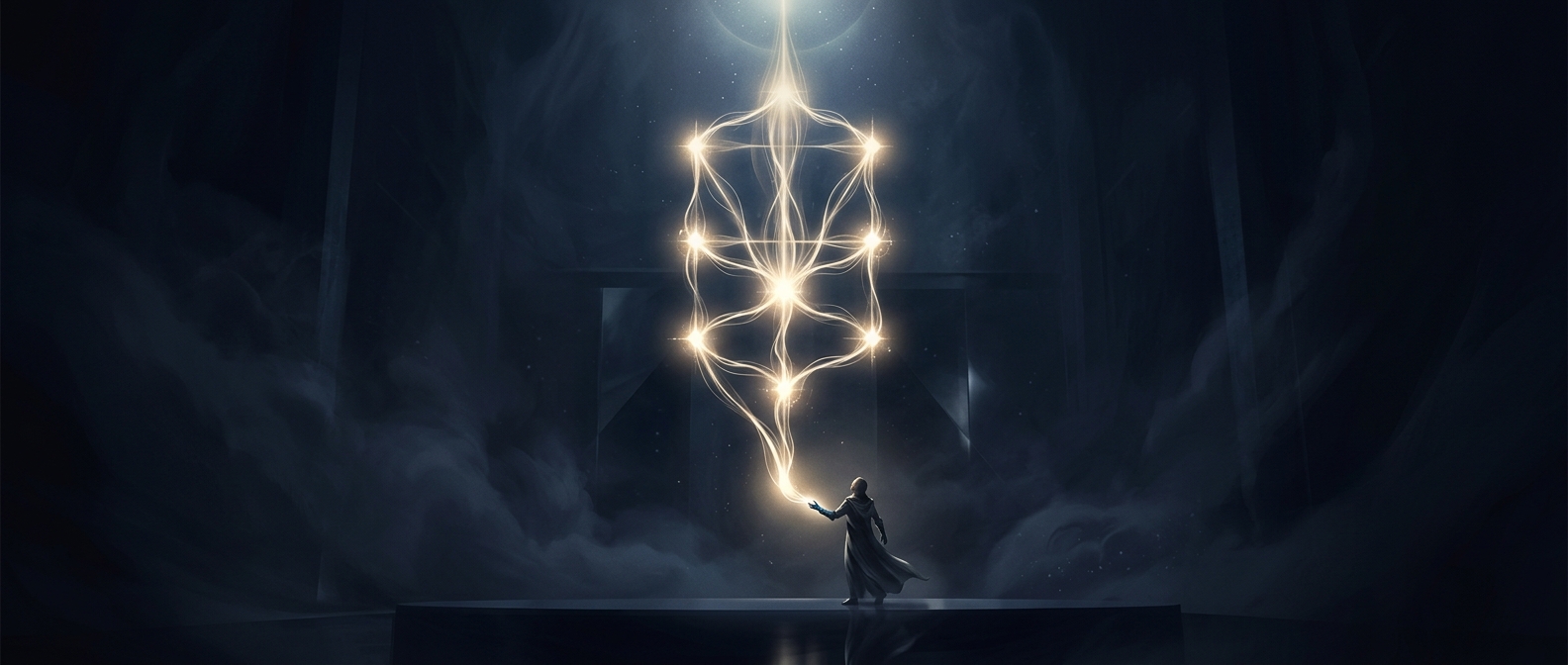
Its ten points are called sefirot (singular: sefirah). They represent qualities or modes through which divine presence is understood to become perceptible, including wisdom, understanding, mercy, and judgment. The sefirot are not ten separate gods. Together, they provide a symbolic vocabulary for considering how seemingly opposed qualities—such as generosity and restraint—can both belong to an ordered whole.
Why the Connections Matter
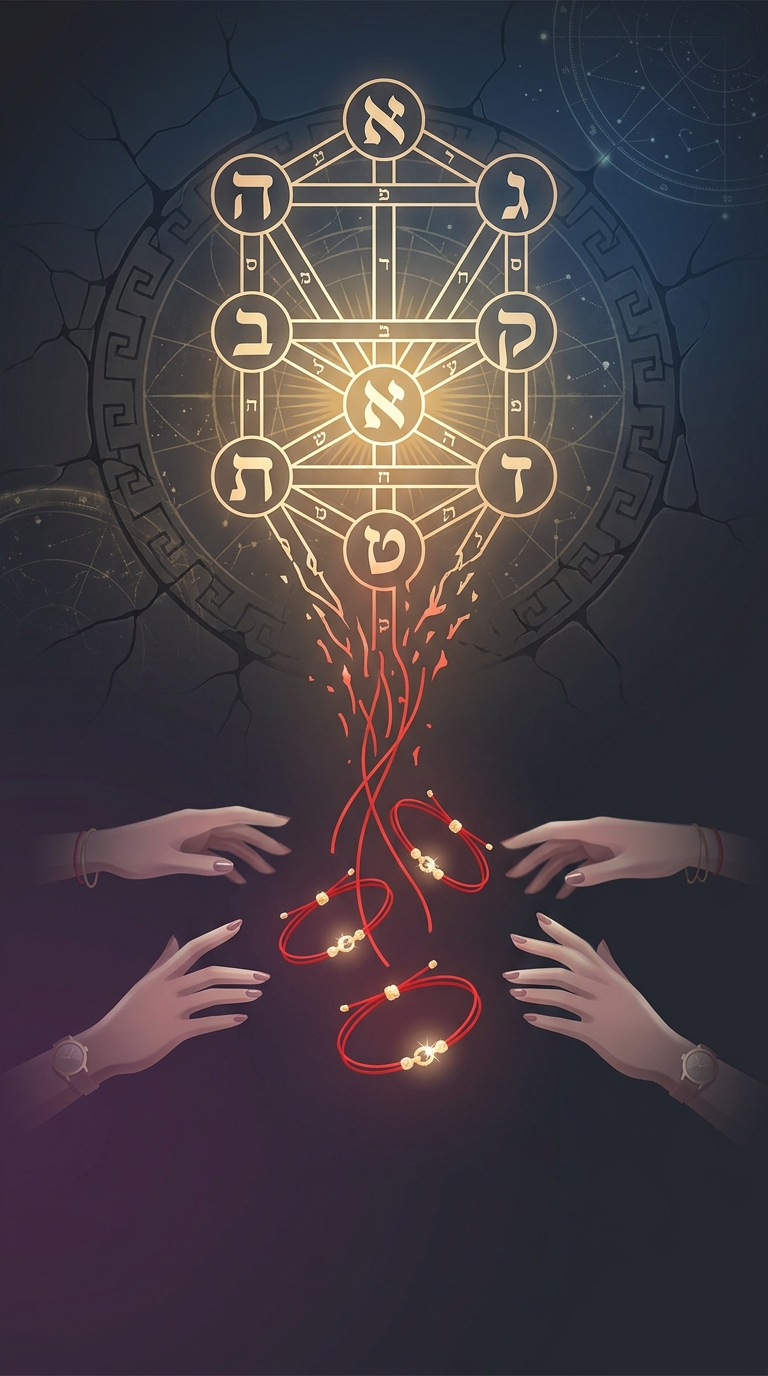
The lines joining the sefirot are paths: they show relationships and transitions between qualities, rather than adding more entities to the diagram. In versions with 22 paths, those connections are often associated with the 22 letters of the Hebrew alphabet, especially in later interpretive traditions. The diagram’s structure invites readers to trace how one quality shapes, limits, or leads into another.
The Tree’s arrangement also gives it a practical use in contemplation. A reader can follow a route through the diagram and ask how an abstract idea might take form in conduct or experience—for example, how compassion becomes balanced by judgment. The point is not to claim that the universe literally unfolds along lines on a chart. It is to make an elusive theological idea discussable: the world is understood as connected to the infinite through a sequence of relationships, not as something wholly cut off from it.