Why midnight became a time for repair
In Isaac Luria’s 16th-century circle in Safed, midnight was not simply a dramatic hour for private prayer. It marked a moment to mourn the destruction of Jerusalem and the Temple—and, in Kabbalistic thought, the continuing rupture between the world as it was meant to be and the world as people experienced it.
The practice was called Tikkun Chatzot, or “midnight repair.” Its name captured a central Kabbalistic idea: human acts of prayer and devotion could help restore spiritual harmony. This was a religious belief, not a claim that tears physically changed the world.
What it meant to mourn the Shekhinah
The Shekhinah is the divine presence understood as dwelling among people. Kabbalists described it as exiled alongside the Jewish people: separated from its proper place and from the fullness of divine unity. Weeping for the Shekhinah therefore joined personal grief to a larger sacred loss.
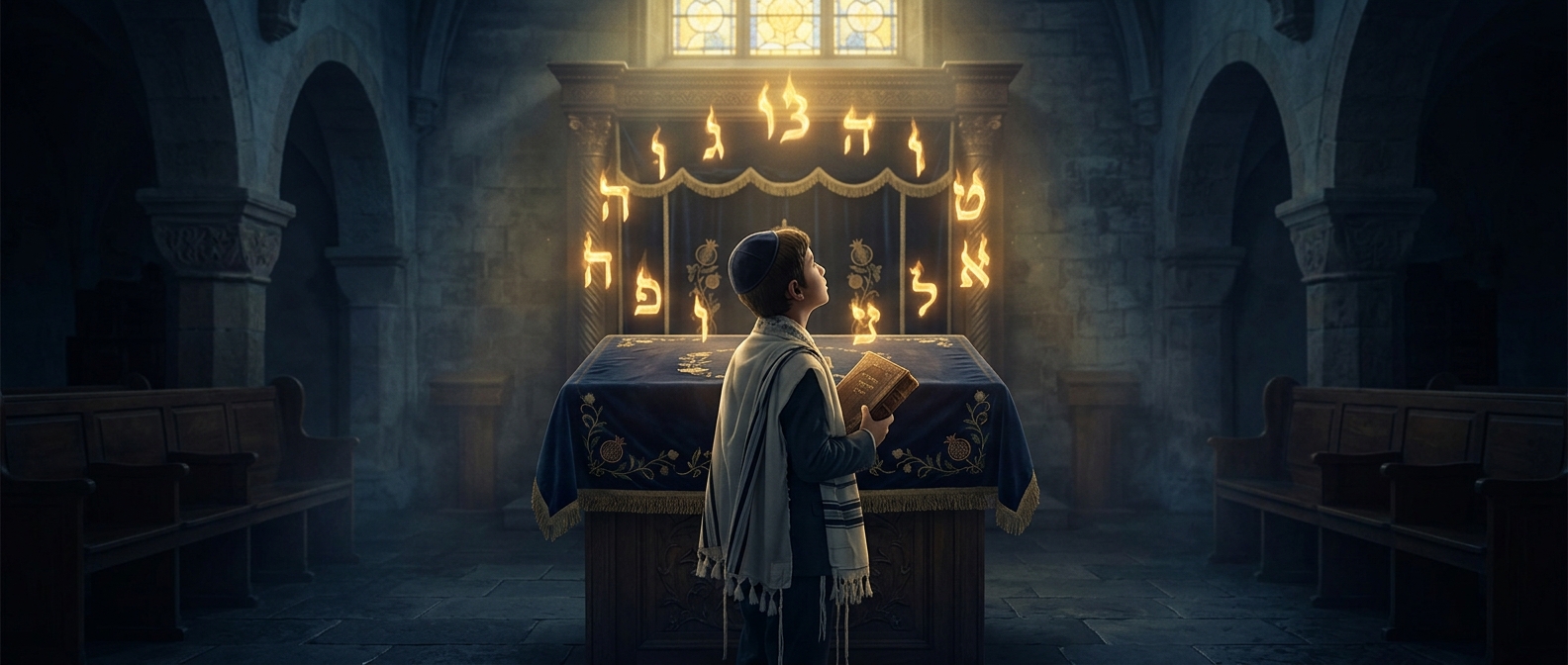
Sitting barefoot in darkness gave that grief a physical form. The setting recalled mourning, while the hour made the vigil feel like an intimate encounter with suffering that ordinary daytime routines could obscure. The tears mattered as an expression of compassion and devotion—not merely as a display of sadness.
A ritual that made prayer part of the repair
Lurianic Kabbalah gave ordinary religious actions cosmic significance: prayer and commandments could contribute to tikkun, the restoration of what was broken. In that framework, keeping vigil meant refusing to treat exile and loss as distant history. The practitioner took them into the present and answered with prayer.
The striking implication is that the ritual made mourning active. Rather than only remembering a ruined holy place, worshippers imagined their midnight grief as a small contribution to its spiritual restoration.