The Shadow as a Measure of Insubstantiality
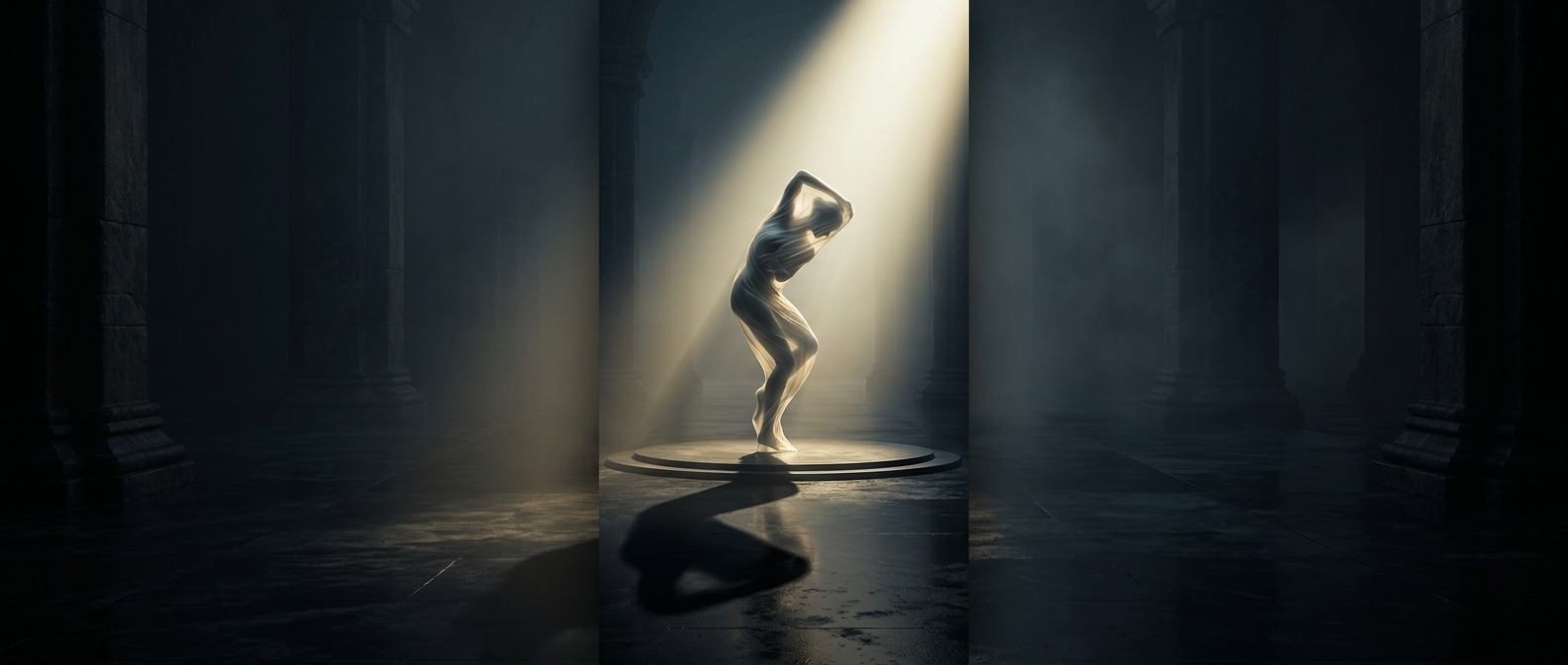
In traditions that connect spiritual purity with becoming less attached to the material world, a shadow can serve as a vivid symbol. It is the body’s visible trace: proof that a solid form is standing between the sun and the ground. To imagine becoming so pure or spiritually refined that no shadow remains is to imagine leaving behind even that mark of physical presence.
The image turns an abstract ideal into something a person can look for. On a sunny day, the pavement becomes a kind of test: is the body still making its ordinary claim on the world? The appeal lies in the starkness of the comparison, not in a technical account of how holiness changes a body.
Why the Pavement Keeps Answering
A shadow forms when an object blocks light. In direct sunlight, a person’s body interrupts the sun’s rays, so a shadow falls on the ground. Becoming spiritually pure does not alter that optical process; the pavement records the body’s presence regardless of what the person believes about its spiritual state.
That contrast gives the practice its force. The seeker may hope to outgrow materiality, but the most everyday evidence—the shadow at their feet—keeps returning them to the body they still inhabit. The sun turns an invisible ideal into a concrete, stubborn outline.