How Antiscia Make a Mirror Pair
Antiscia are a traditional astrological way of pairing zodiac positions by reflection. Picture the zodiac as a circle: the reflection is taken across the line joining the solstice points, Cancer and Capricorn. Two positions that land the same distance from that line are called antiscia. The “vertical axis” is a geometric reference on the zodiac wheel, not a claim about a physical force in the sky.
This is a different kind of relationship from simply being in the same sign or directly opposite signs. A position in one part of the wheel can have an antiscion elsewhere, even when the signs are not neighbors in the usual sense. The pairing is calculated from degrees, so the exact point matters—not just the sign name.
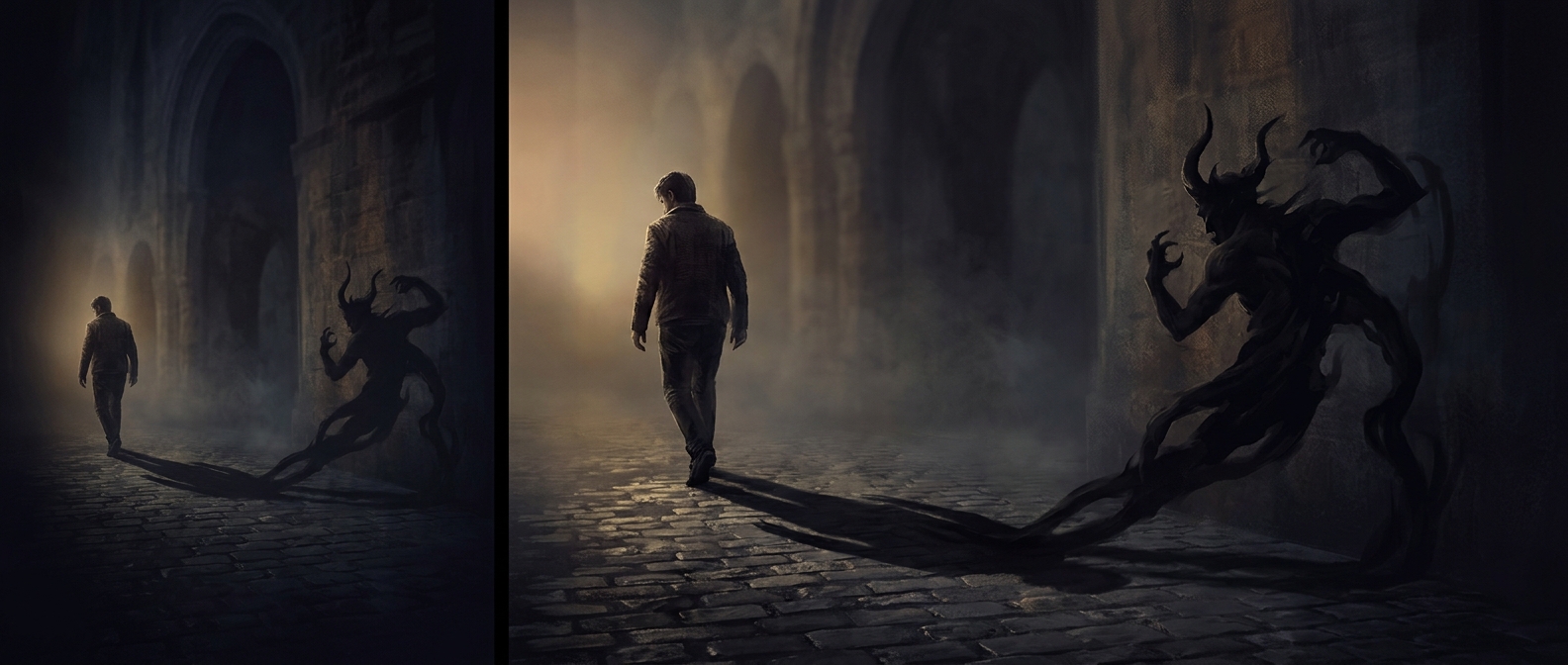
What the “Shadow” Means
In astrological interpretation, an antiscion is treated as a subtle or concealed connection between two chart points. The mirror image supplies the logic: the points are not visibly aligned across the wheel, but share an equal relationship to the solstitial axis. Astrologers may therefore read the connection as an indirect influence, rather than the more obvious link suggested by a standard conjunction, where two planets occupy nearly the same zodiac position.
The idea belongs to astrology’s symbolic system, not to a demonstrated physical mechanism. Its memorable feature is the geometry: a planet’s position can have a second, mirrored counterpart, making the chart’s apparent distances tell a more complicated story than a glance at the wheel reveals.