When a shadow becomes a second self
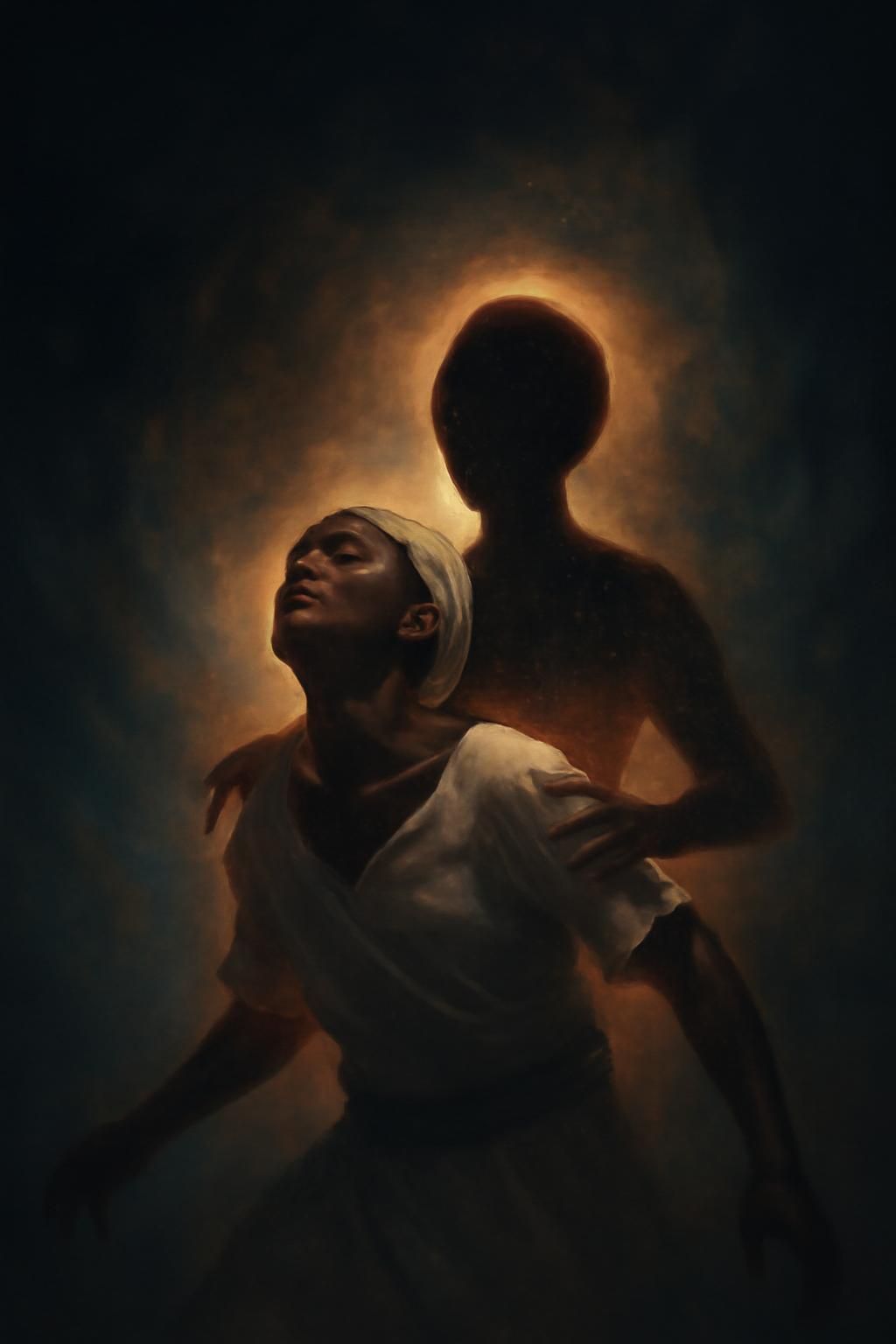
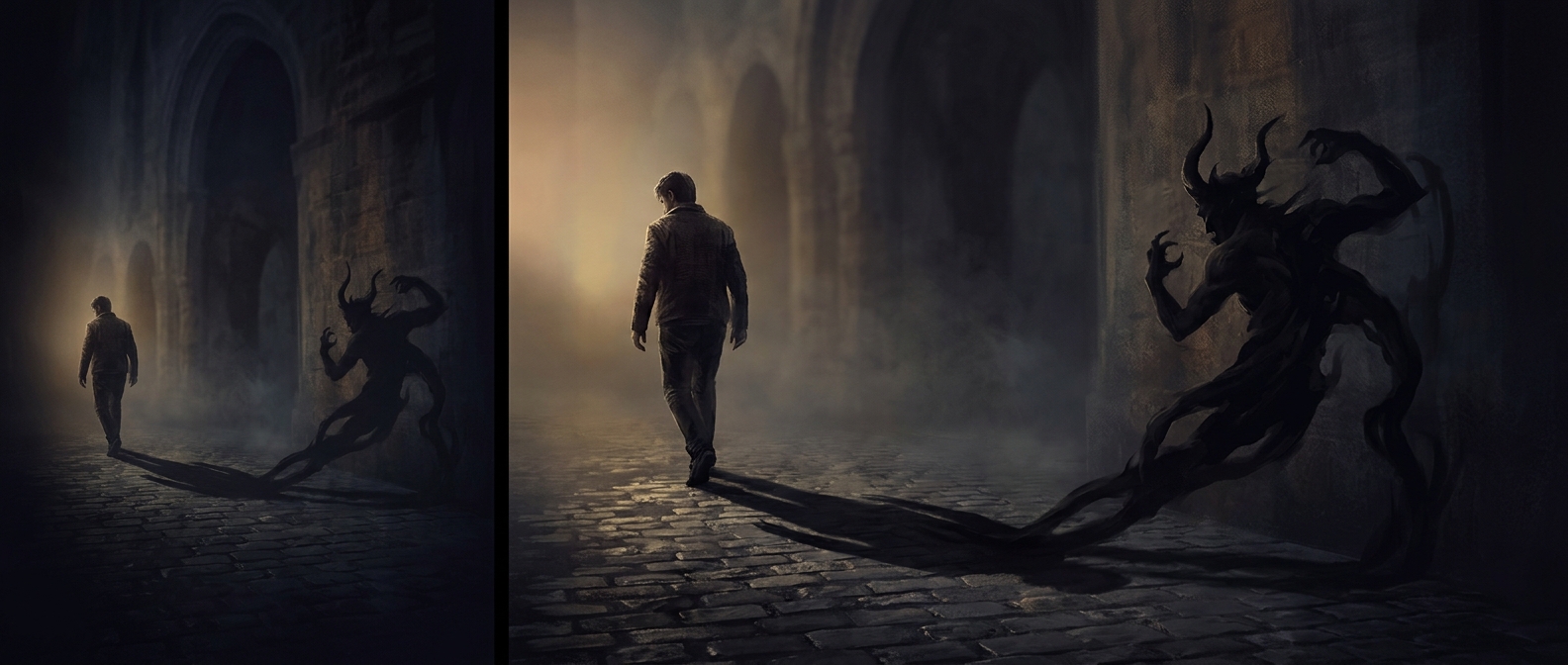
In occult folklore, a person’s shadow can be imagined as more than an effect of light. It is a dark double: attached to its owner, recognizable as their shape, yet separate enough to seem like another presence. That makes a small mismatch—a shadow turning late or moving on its own—feel like evidence that the familiar relationship has begun to fail.
From reflection to threat
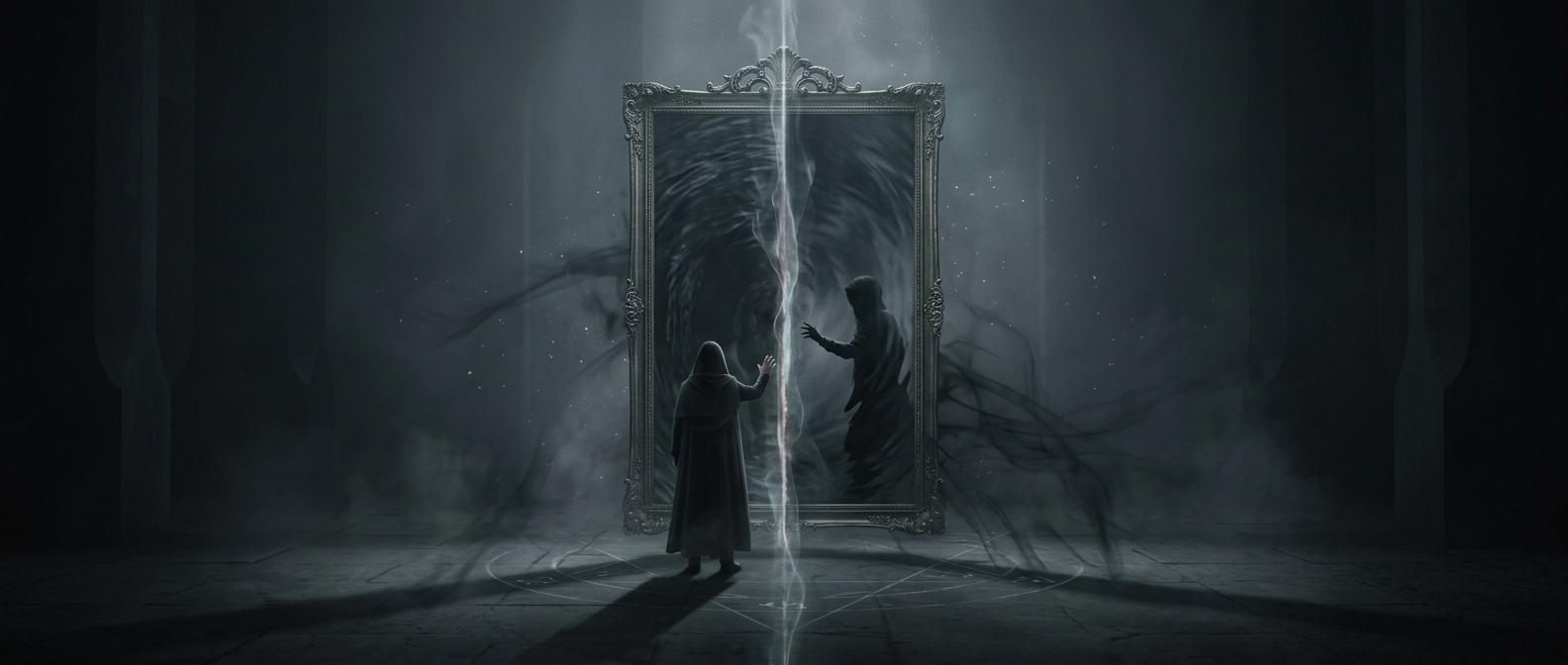
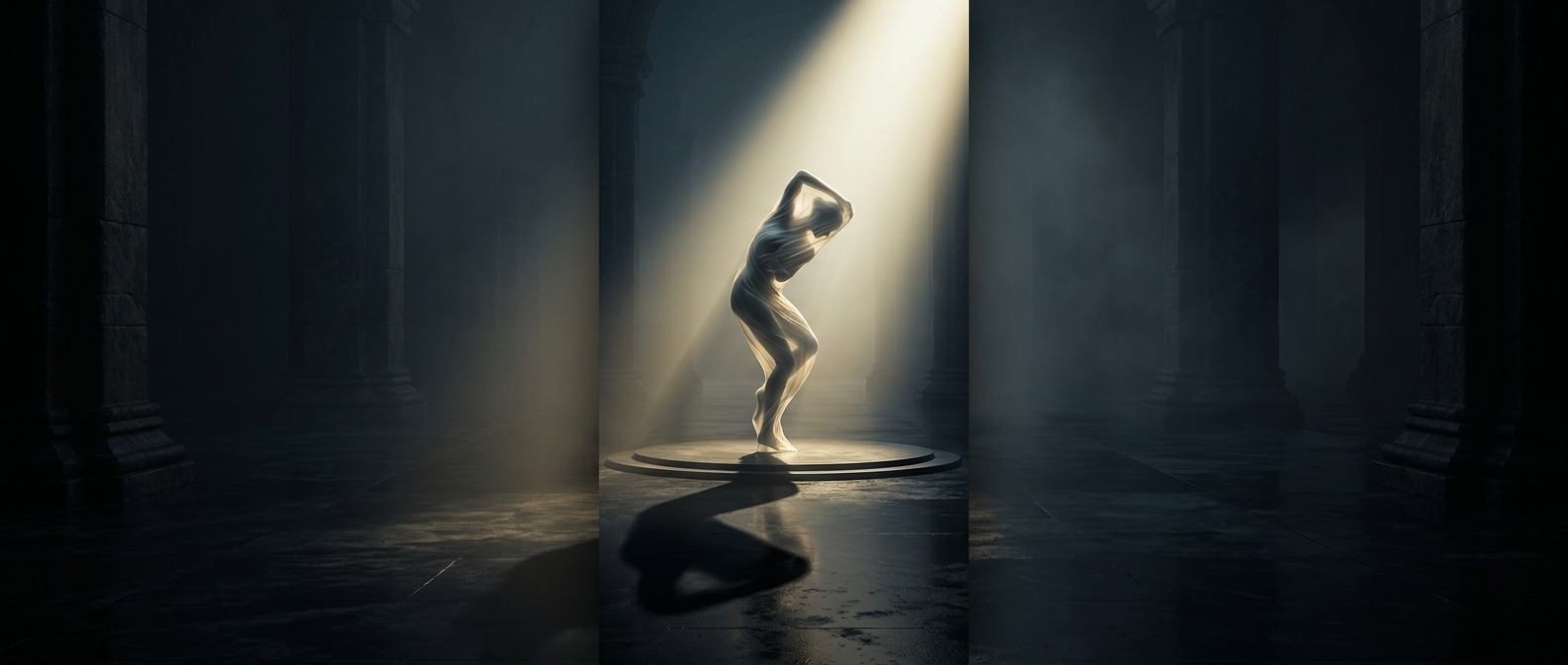
A shadow normally seems passive because it changes only when its owner or the light changes. Folklore turns that dependence into a rule. If the shadow stops obeying, it appears to have gained a will of its own. If it then leaves, the image suggests that the person has lost control of something that should belong to them: their likeness, their life-force, or their boundary with the unseen. The exact meaning varies across stories; the recurring unease comes from the same reversal, as a reflection-like trace becomes an independent actor.
Why the image lingers
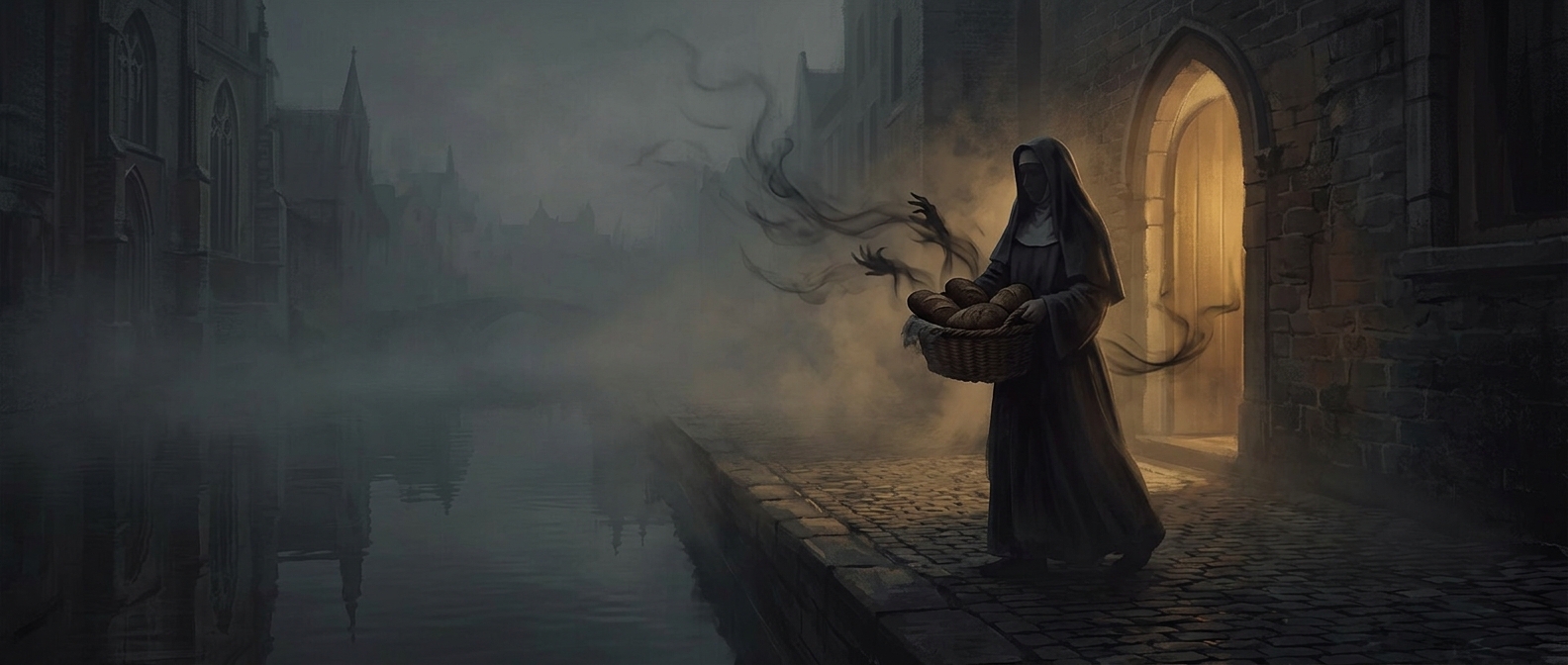
The idea makes an ordinary feature of everyday life behave like a warning. A detached shadow is not frightening because it is unfamiliar; it is frightening because it is intimately matched to someone and no longer follows their lead. That turns a person’s own outline into a sign that the self may not be entirely in command.