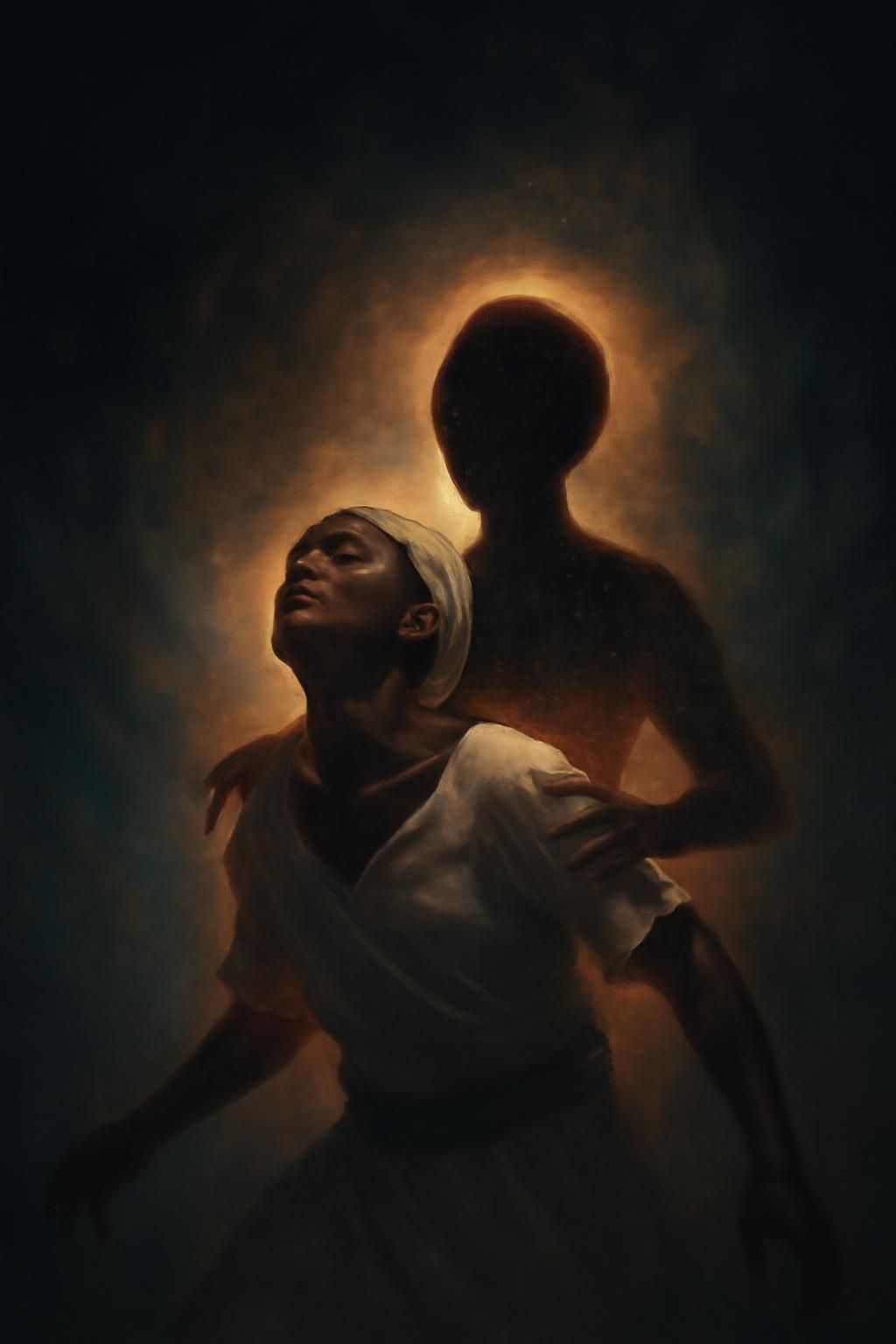
A closer look
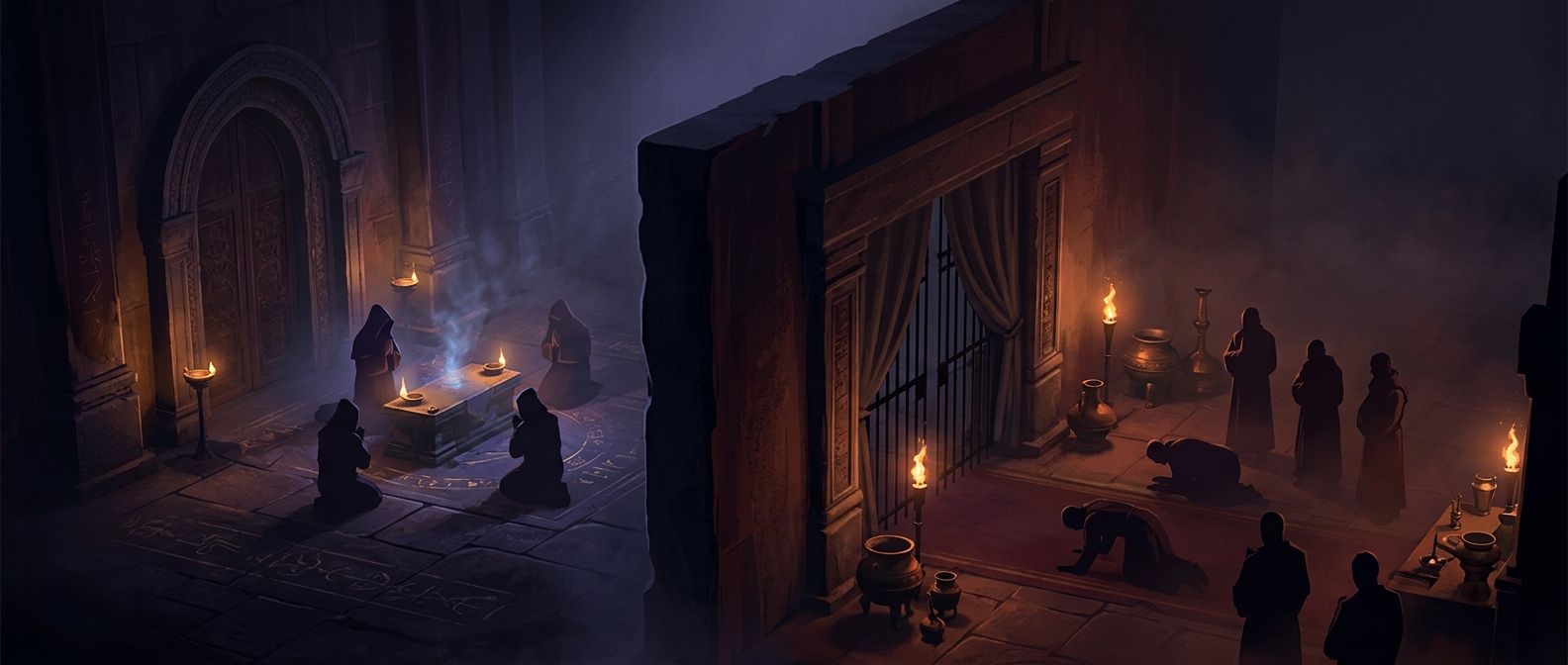
In some Brazilian Afro-diasporic religions, being possessed is not a horror scene; it is a sacred appointment. During Candomblé and Umbanda ceremonies, drums pulse and songs rise until certain participants begin to sway, tremble, and finally give their bodies over to orixás or guiding spirits. Once mounted, as practitioners say, the possessed person moves, speaks, and even dances with a personality utterly different from their usual self, offering advice, healing, or rebukes to those who seek guidance. Outsiders might see theatrics, but for believers these entities are ancient forces visiting briefly through flesh. Offerings of food, drink, and smoke are prepared with care, since disrespecting a visiting spirit is like insulting an honored guest. When the trance ends, the person often remembers nothing. The line between psychology and the supernatural blurs into a lived reality where the body becomes a doorway, opened by rhythm and faith.