Thresholds Mark a Change in Spiritual Responsibility
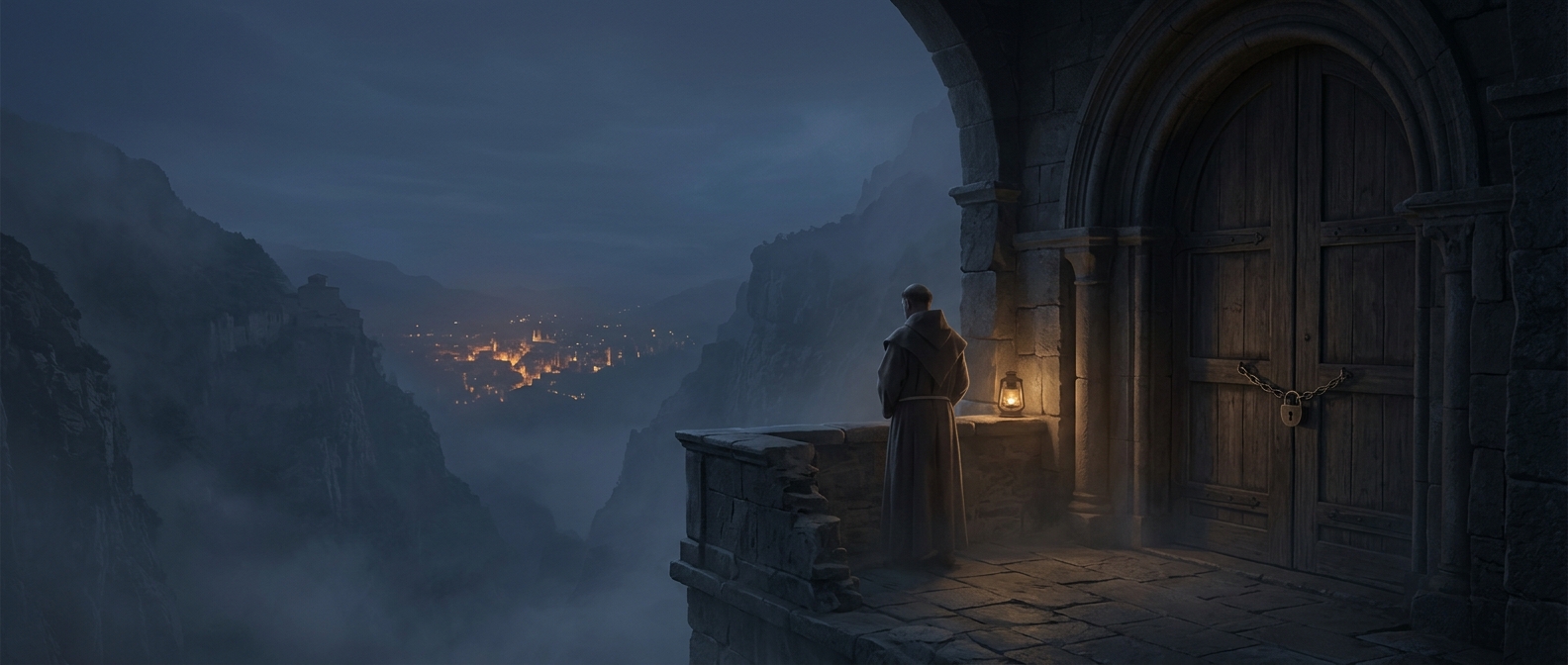
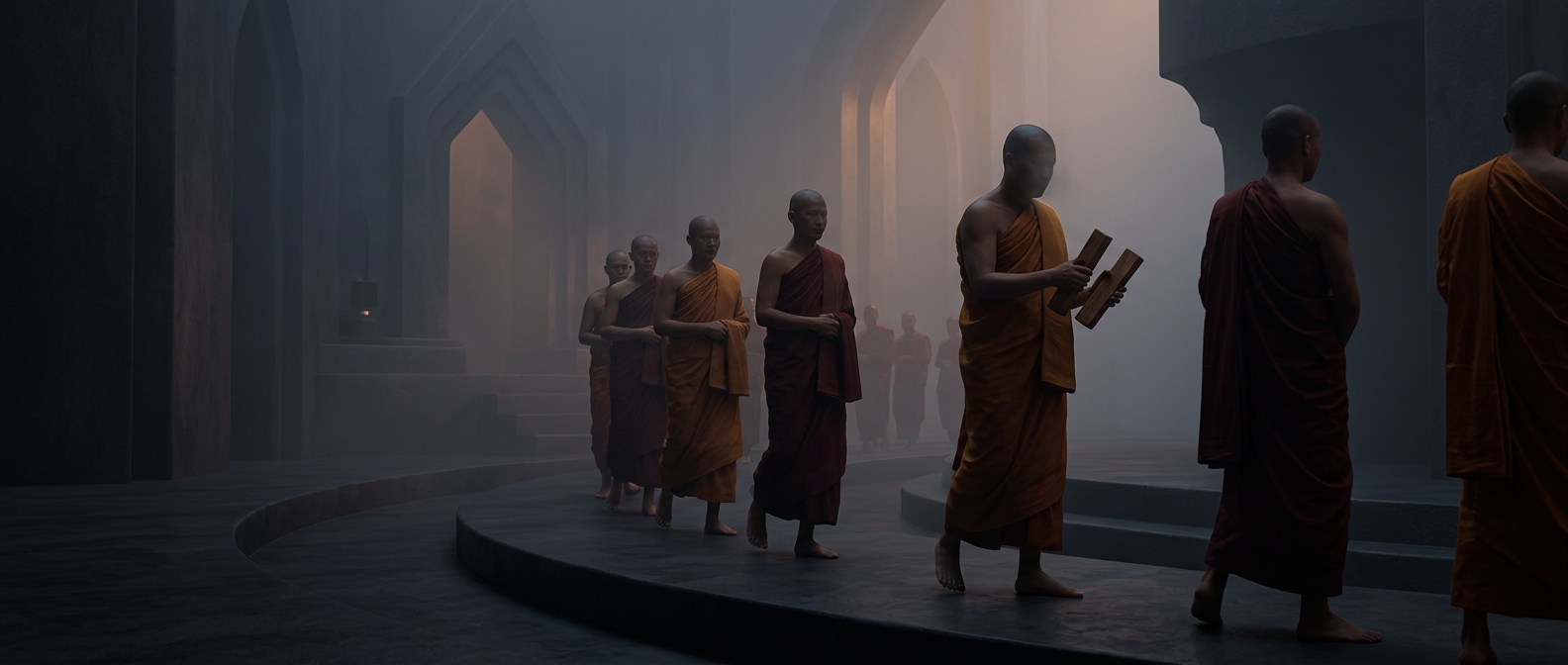
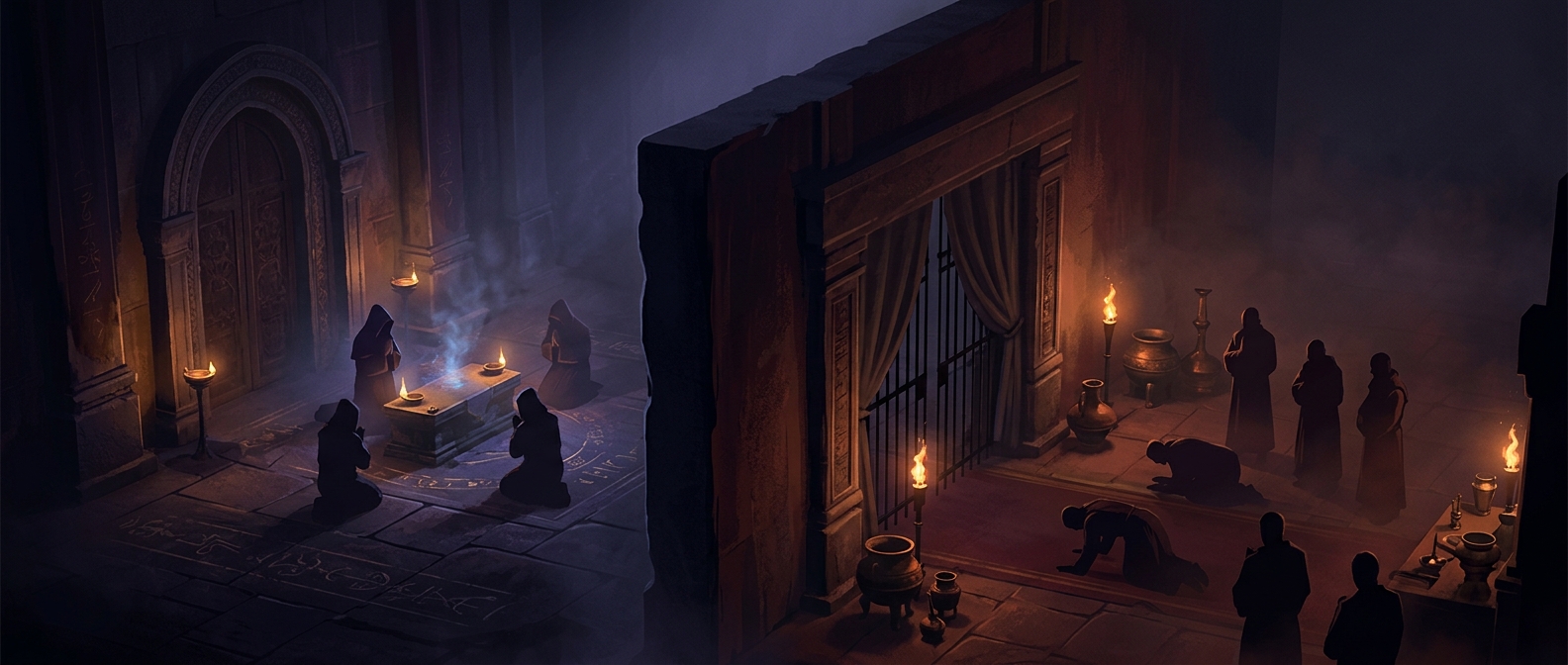
In monasteries organized around graded access, a courtyard is more than an entrance: it is the point where a visitor’s role is made clear. Guests who have not received the training or initiation required for inner rites remain in outer spaces, while chambers deeper inside are set aside for practitioners prepared to use them.
That separation turns a spiritual hierarchy into a physical route. Passing inward can mean accepting greater discipline and responsibility, not simply gaining access to a more private room. Walls, doors, and courtyards help preserve the focus of practices that may require quiet, restricted participation, or preparation before entry.
Architecture Guides Conduct
The arrangement also reduces uncertainty. Visitors can take part in the parts of monastic life open to them without interrupting work reserved for advanced practitioners. Inner rooms become places where teachings and rituals can be carried out under controlled conditions, while outer courtyards provide a natural boundary between public presence and restricted practice.
The precise rules differ among monastic traditions, but the underlying effect is concrete: the building itself teaches visitors where they stand—and where they must stop.