What enclosure is meant to protect
In a cloistered religious community, enclosure is a set of boundaries around daily life: rules about who may enter, where residents may go, and how contact with the outside world takes place. The purpose is not merely security. By limiting visits and errands, the community reduces interruptions that might pull attention toward ordinary social obligations, news, or commerce.
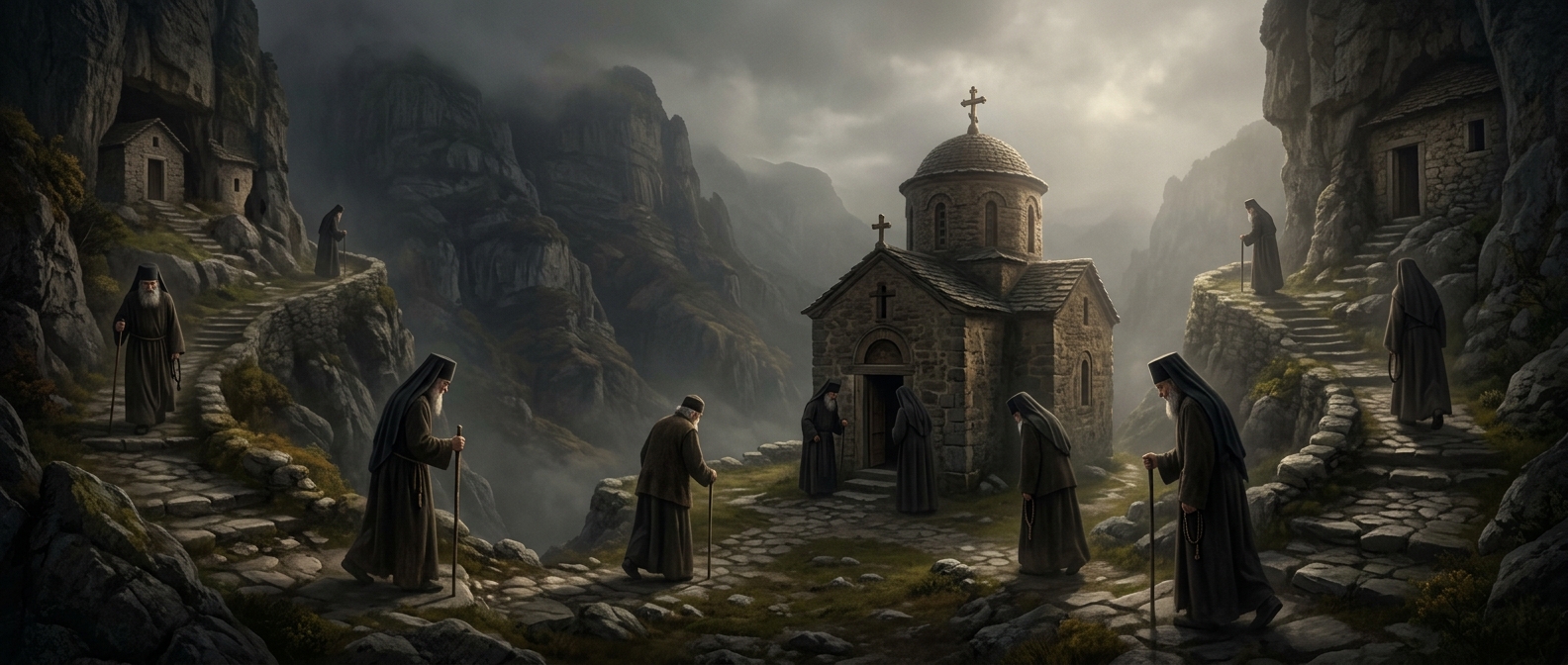
The boundary can be physical—a wall, gate, or designated area—and also practical. A monastery may have spaces reserved for residents, while visitors are received in a separate area. The details differ among communities and traditions; enclosure does not mean every monastery follows the same rules or has no contact with outsiders.
How a boundary shapes a day
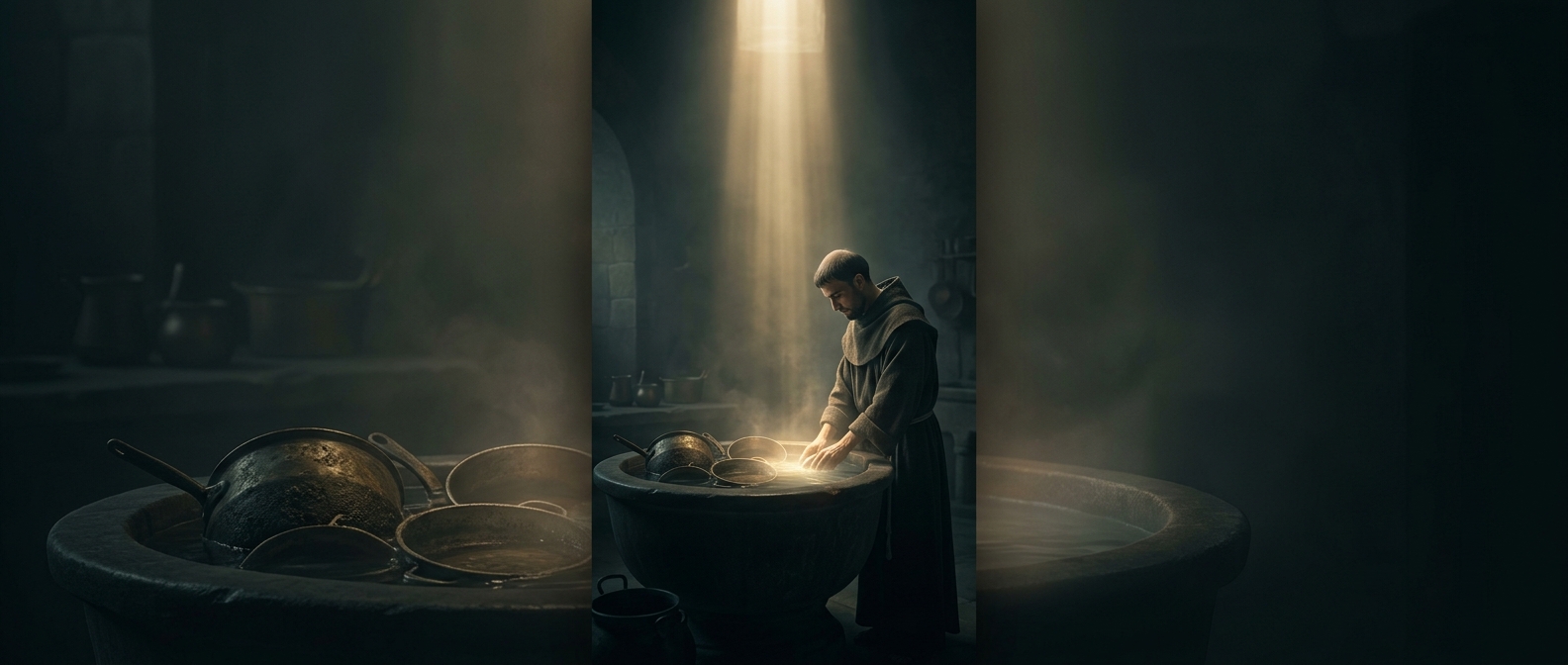
Contemplation requires time and repeated attention. If residents are frequently drawn away to travel, host visitors, or respond to outside demands, that rhythm becomes harder to sustain. Enclosure helps make a different rhythm possible: prayer, work, meals, and silence can recur with fewer interruptions.
This separation is therefore not simply withdrawal for its own sake. It organizes the conditions in which a community has chosen to live. Contact with the outside world may still occur, but it is more deliberate and often takes place through established boundaries rather than unrestricted movement.
A boundary, not a claim about the world
The enclosure marks a distinction between two ways of life; it does not necessarily express hostility toward people beyond the monastery. Its significance lies in what it makes room for inside: a shared routine oriented toward contemplation. A gate can thus serve less as a barrier against intruders than as a reminder that entry and attention are governed by the community’s commitments.