Why the Desert Became a Battleground
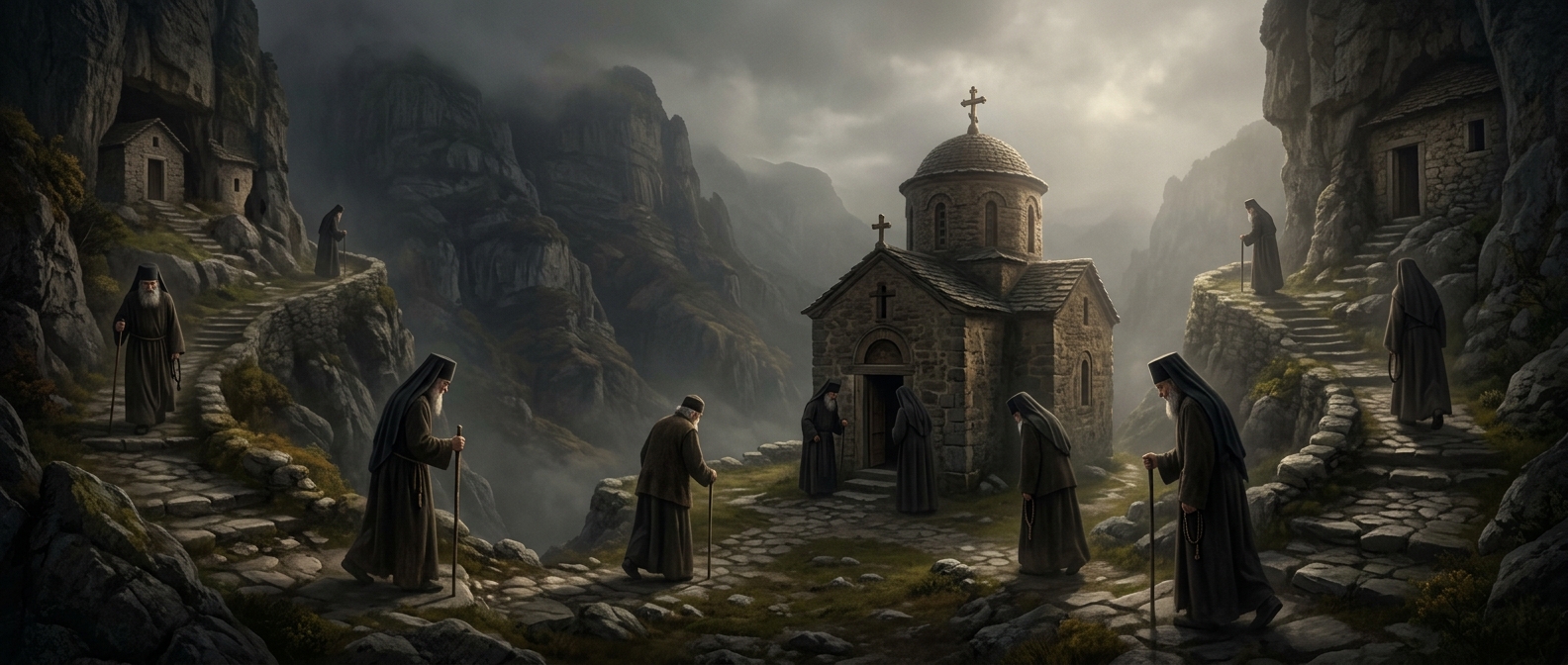
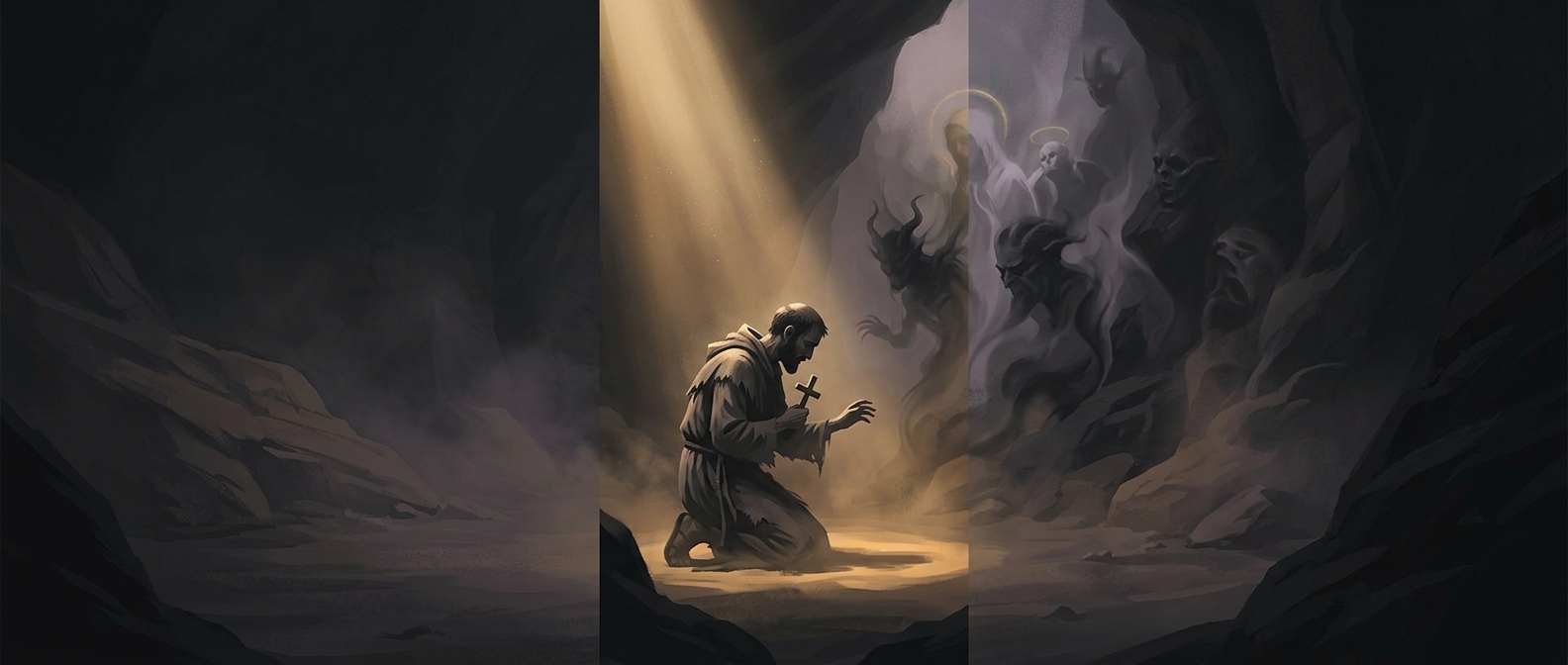
For early Christian ascetics, withdrawal from ordinary society was a way to pursue prayer and discipline with fewer distractions. But solitude did not mean a quiet inner life. In stories about the desert fathers, demons could take the form of beasts, attackers, or alluring figures, turning fear and desire into visible spiritual opponents.
That language reflected a Christian understanding of temptation: a struggle over attention, self-control, and faith. The accounts were also meant to teach readers how to interpret hardship, not simply to record unusual sights.
What Hunger and Sleeplessness Can Do
Severe undernourishment and prolonged lack of sleep can disrupt the brain’s ability to regulate attention and interpret sensory signals. A person may become confused, unusually fearful, or perceive things that are not present. Isolation can make those perceptions harder to check against another person’s account of reality.
These effects offer a plausible way to understand why extreme ascetic conditions might intensify frightening experiences. They do not establish what any particular monk experienced: the surviving accounts are shaped by religious language and storytelling, and they do not provide enough evidence for a modern medical diagnosis.
One Experience, Two Kinds of Meaning
The same episode could carry spiritual meaning for a monk and still be influenced by bodily strain. In the desert fathers’ stories, endurance mattered because resisting a demon was also resisting an impulse or fear. The striking point is not that the accounts prove either a supernatural encounter or a medical condition, but that their authors understood an intensely embodied struggle through the language of spiritual warfare.