Why the image looks like a negative
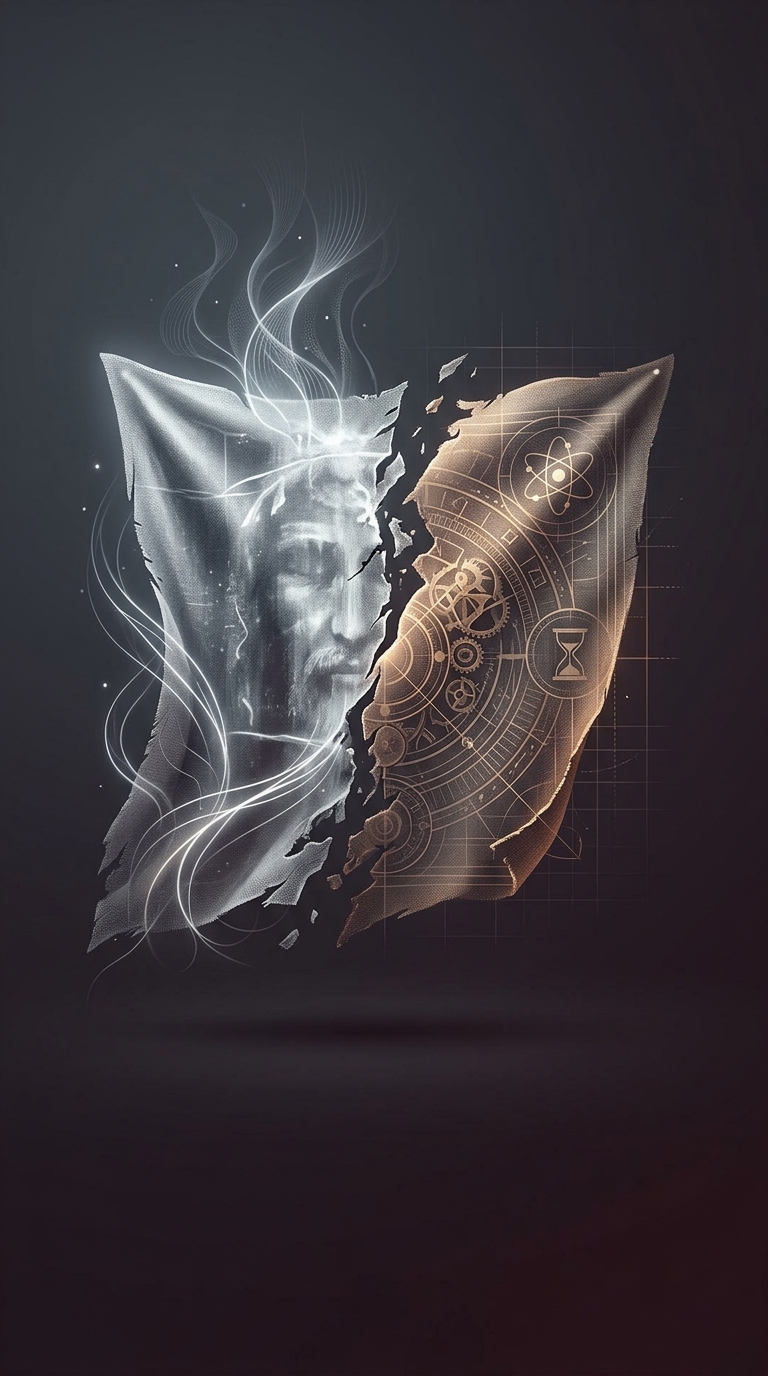
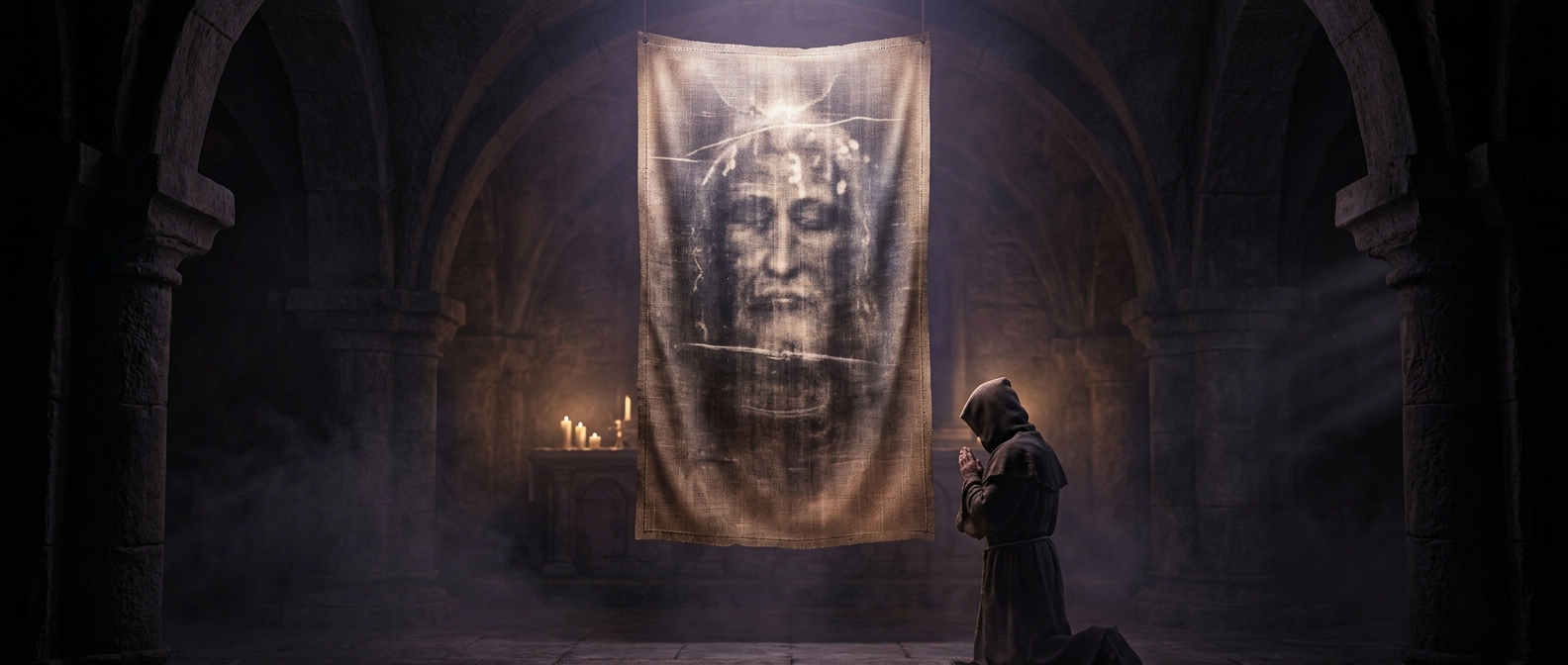
The cloth commonly called the Shroud of Turin bears a faint, full-length image of a man. Its tones appear reversed in a way that resembles a photographic negative: when a photograph of the cloth is itself inverted, the figure can look more natural and easier to make out. That resemblance is especially striking because the image was made centuries before photography existed. It does not, by itself, explain how the image formed.
A relic with more than one kind of significance
For many Christians, the shroud is a possible burial cloth of Jesus. Others regard it as a powerful devotional object without treating its identity as established. The image’s uncertain origin is central to its appeal: viewers are looking not only at a human figure, but at an object whose meaning depends partly on a question that remains unresolved.
That uncertainty also shapes how the cloth is discussed. A religious interpretation may focus on what the image represents; an investigation of its physical origin asks what process could have marked the linen. Those are related questions, but they are not the same one.
The image keeps the mystery visible
The figure is subtle rather than sharply outlined, so interpretation depends on how its marks are read. The negative-like effect makes the image seem unusually legible under one way of viewing it, while leaving open how those marks came to be there. The result is a rare kind of relic: its most famous feature is also the part that resists a settled explanation.