Solitude With a Shared Rhythm
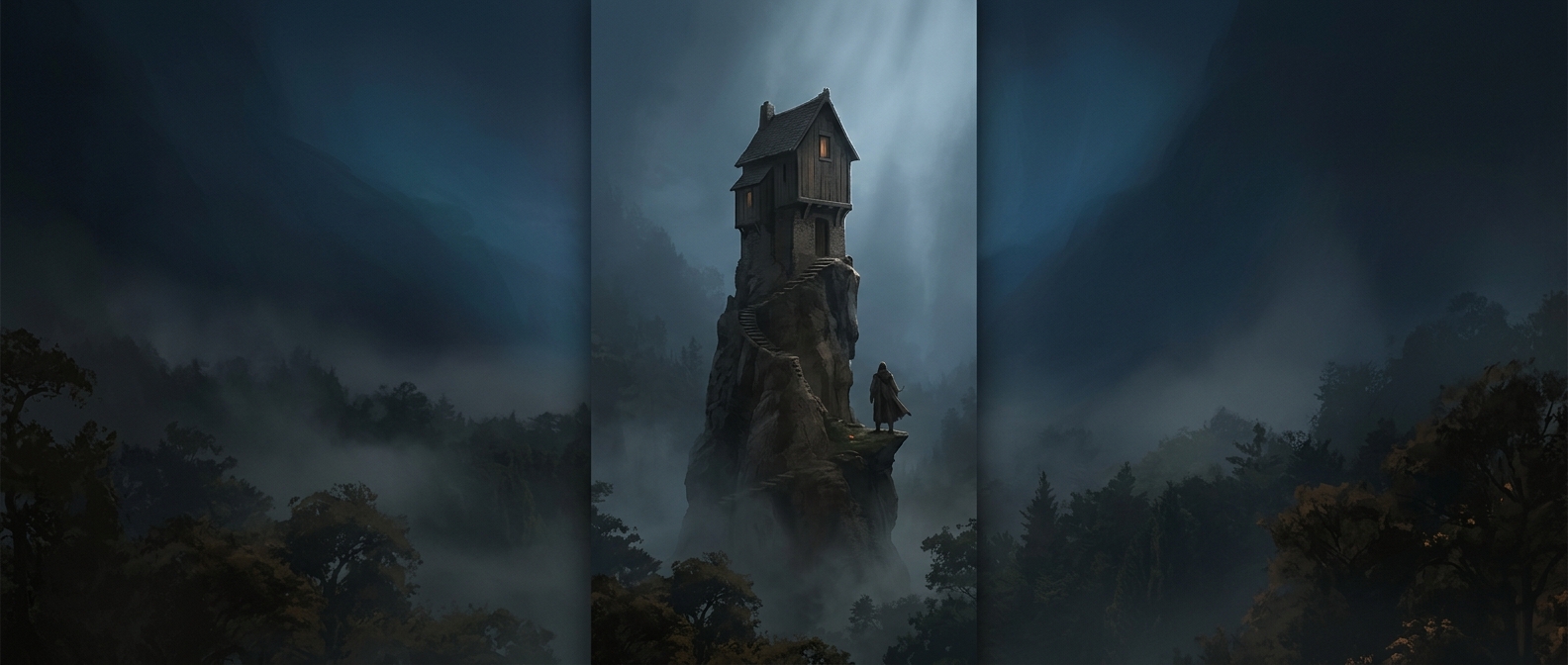
A skete is not simply a cluster of cabins for people who want to be left alone. In Eastern Christian monastic life, it is a small community organized to make solitude possible without severing communal religious life. Practitioners may sleep, pray, and work in separate cells—often modest huts or rooms—while gathering at a shared church for worship and following common guidance.
The arrangement creates a deliberate balance: each person has space for quiet discipline, but the community still provides structure, companionship, and mutual responsibility. A skete’s exact form can vary; some are loosely connected groups of hermit-like dwellings, while others function more like small monasteries.
Solitude as a Practice, Not a Personality Type
The aim is not simply to avoid social contact. In monastic traditions, solitude is used for prayer, reflection, and disciplined attention. Separation from ordinary distractions can support that work, while shared services and community rules keep solitary life from becoming merely private preference.
That is why a skete can feel paradoxical: its residents live apart, yet their daily lives remain linked. The huts create distance; the shared religious routine gives that distance a common purpose.