Why a Poustinia Is Bare
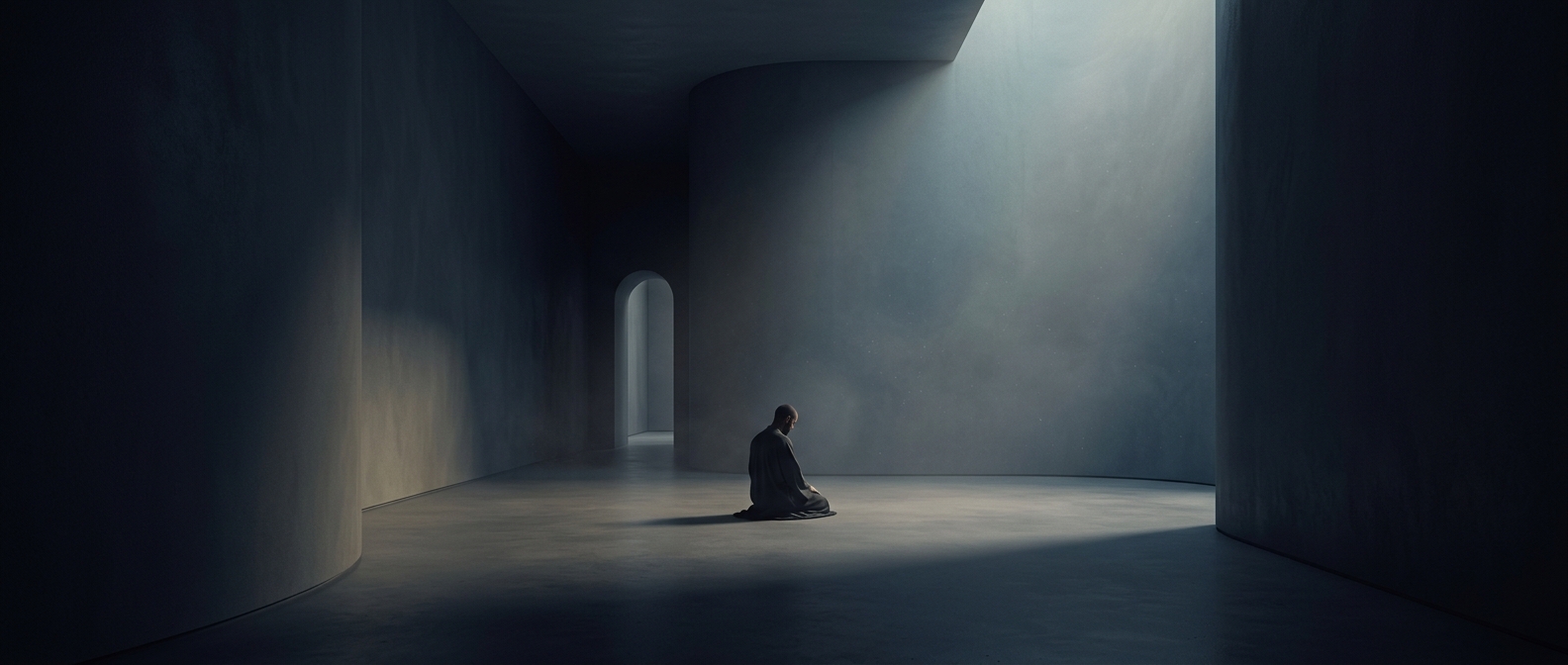
A poustinia is a small, plain space set aside for solitary prayer. Its emptiness is deliberate: without furnishings, decorations, or ordinary tasks to occupy attention, the person entering it has fewer prompts to think about anything outside the practice of prayer and contemplation.
The word comes from a tradition of Christian solitude, especially associated with Russian spirituality. A poustinia is not simply an empty room, though. Its purpose comes from how it is used: someone withdraws from everyday activity for a time, seeking quiet and attentiveness rather than comfort or entertainment.
Solitude Without Withdrawal From Life
The bare setting does not make the room sacred by itself, nor does it promise a particular spiritual experience. It creates a practical boundary. Inside, the usual cues of household life recede; outside, ordinary responsibilities remain. That contrast can help a person notice thoughts and concerns that busyness tends to cover over.
Some poustinias are associated with a simple discipline of prayer and fasting, but practices vary. The central idea is not that emptiness is virtuous on its own. It is that removing unnecessary stimulation can make room for sustained reflection—and that a small, unadorned room can serve as a retreat without requiring a remote wilderness.