What “just sitting” asks of the mind
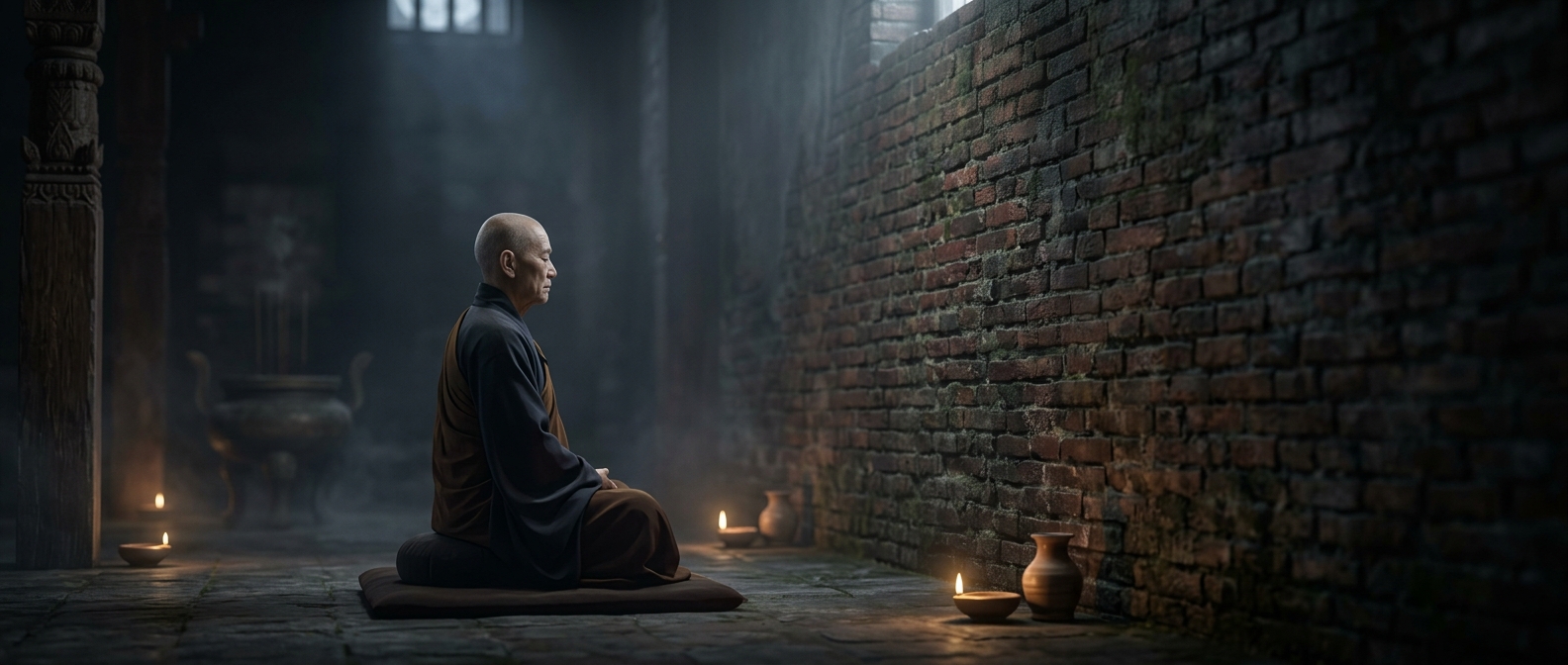
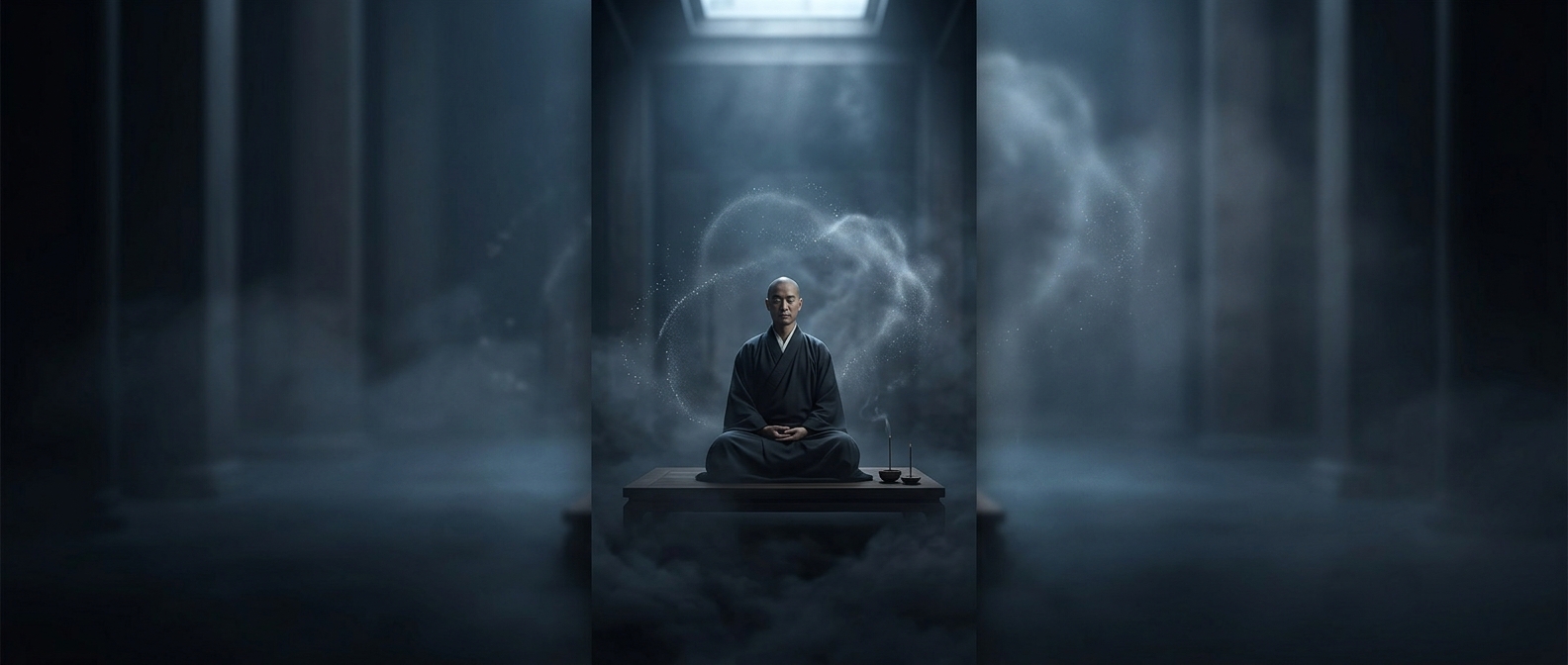
Shikantaza is a form of seated meditation associated especially with the Sōtō school of Zen Buddhism. The Japanese term is often translated as “just sitting.” Unlike practices that direct attention to a mantra, breath, or visual image, it does not assign the meditator a single object to hold in mind or a result to achieve.
That does not mean trying to make the mind blank. Thoughts, sounds, and bodily sensations still arise. The practice is to sit upright and be aware of what is happening without deliberately following one experience, pushing another away, or turning meditation into a test of concentration.
The point is not to get somewhere
In many forms of meditation, attention has a task: return to the breath, repeat a phrase, or cultivate a particular quality. Shikantaza removes that task. When a thought appears, the meditator need not analyze it or use it as a reason to abandon the sitting; when the mind wanders, there is no special object to return to. Awareness remains open to the whole experience of sitting.
This is why the practice is sometimes described as having no goal. It is not a technique for producing a particular sensation on demand. In Sōtō Zen, sitting is treated as practice in itself, rather than merely a tool for reaching a later state of enlightenment. The distinction changes the question from “Am I making progress?” to the more immediate one: can I be present without turning this moment into a means to an end?
The discipline lies in that simplicity. A quiet room may help, but the mind is not required to become quiet first; even distraction is part of what is met while sitting.