Why a Prayer Strand Has 108 Beads
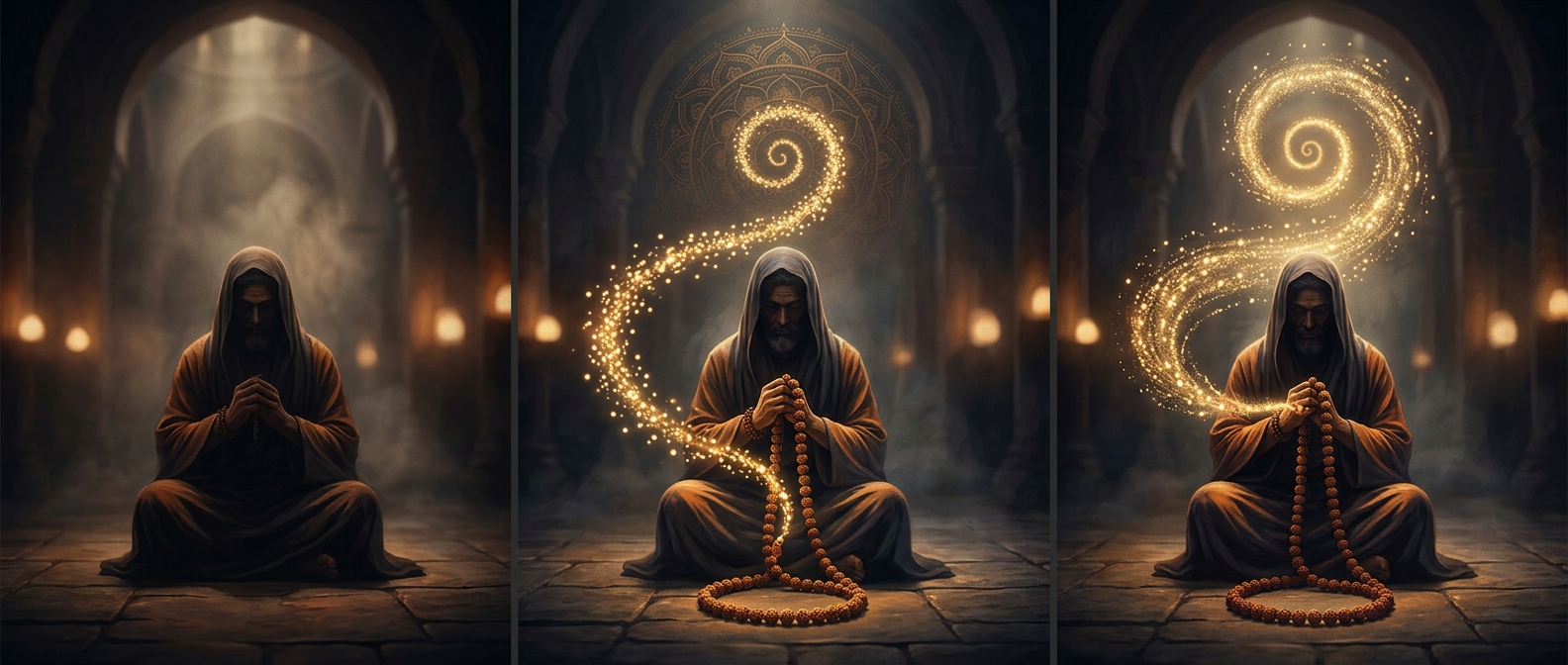
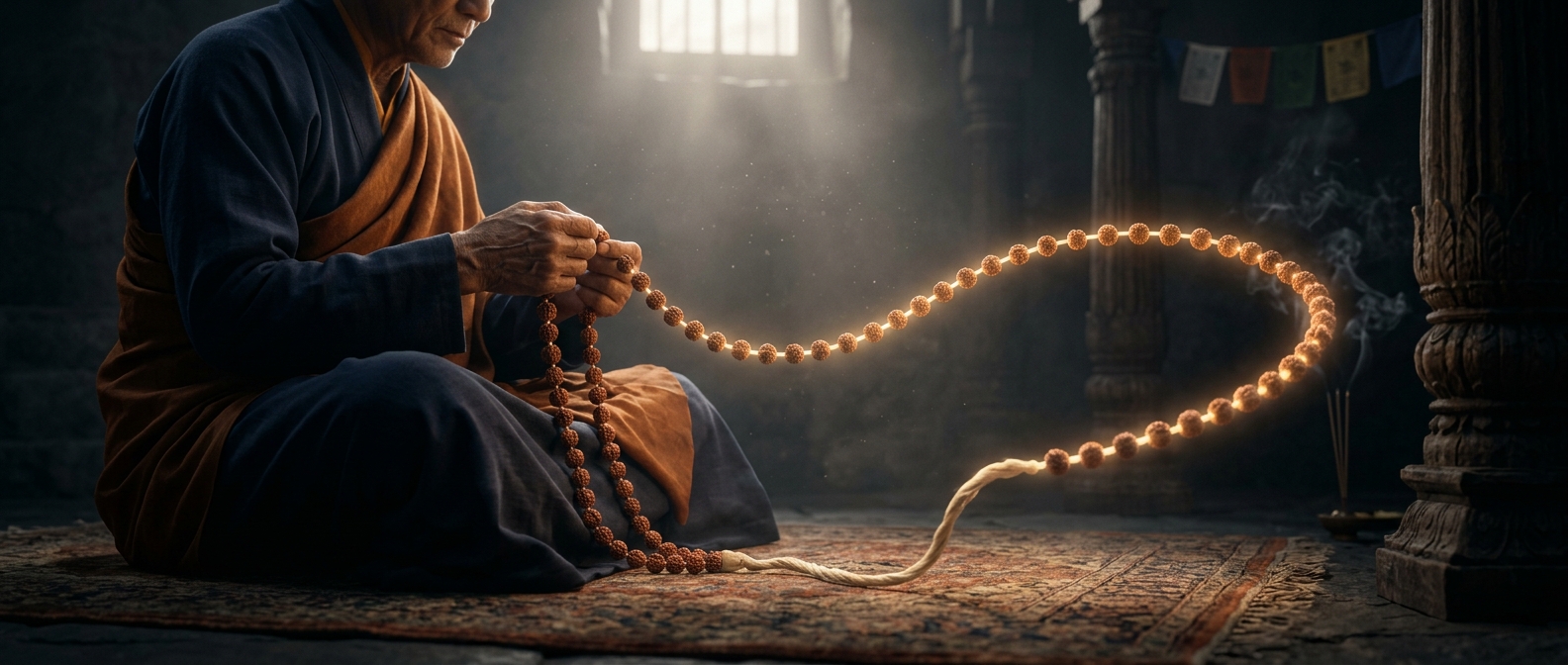
A strand of sacred beads is more than a symbol: it is a practical way to keep attention on a repeated prayer or meditation. The practitioner moves one bead at a time, linking a spoken or silent recitation to a physical action. That steady sequence helps mark progress without requiring the person to count in their head.
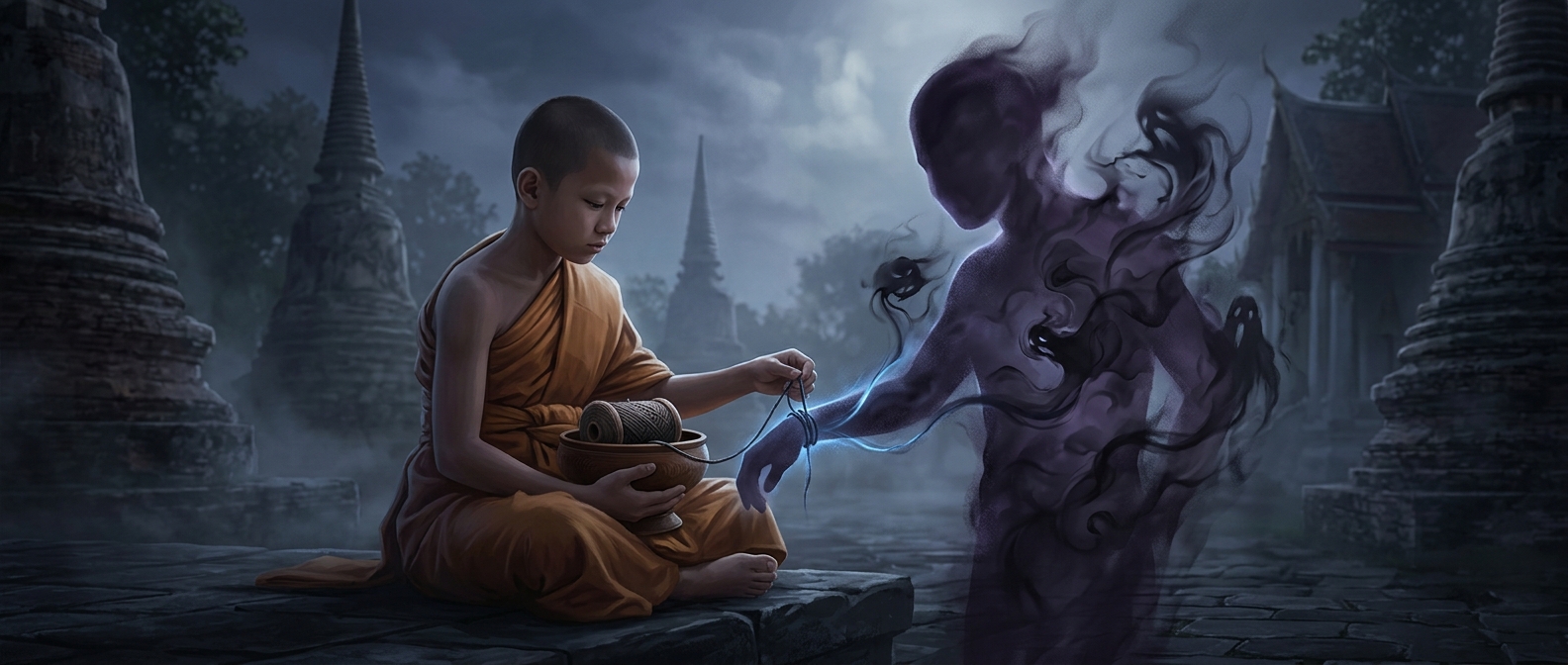
The choice of 108 carries meaning, but it does not have one universal explanation. In different traditions, the number may evoke desires a practitioner seeks to overcome, names or forms of the divine, or the long path toward spiritual awakening. These readings are not competing measurements; they are ways communities use a number to express religious ideas.
A Number That Shapes a Practice
Because the beads make repetition tangible, the number also gives a prayer session a clear boundary. Reaching the end of the strand signals that a cycle is complete, while each small movement brings attention back to the present recitation. The object thus joins an abstract aim—devotion, discipline, or contemplation—to a simple, repeatable action.
The same strand can therefore work on two levels: its count organizes practice, and its count invites interpretation. A devotee handling 108 beads is not necessarily making the same claim as someone in another tradition; the shared number can hold distinct meanings while serving the same quiet purpose of keeping practice focused.